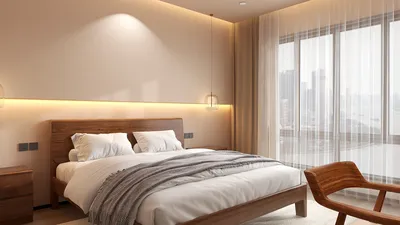


In the last few years, open and airy living environments have gained popularity in interior design, and one feature I've particularly enjoyed incorporating is wall cutouts. These architectural designs not only add visual intrigue but also link spaces in distinctive ways. Having worked on countless small apartment renovations, I can confidently say that compact areas fuel substantial creativity. In this article, I'll present 10 innovative decorating concepts using living room wall cutouts informed by my own experiences and supported by expert insights, to maximize your home’s potential with the help of tools like Homestyler.
1. Sleek Shelf Cutouts
Personal Experience: In a cozy condo project, I designed a chic wall cutout that served as both a decorative display and storage unit. The streamlined appearance seamlessly complemented the minimalist vibe.
Advantages: Ideal for displaying decor without overcrowding the area, sleek shelf cutouts can be integrated into the wall finish, which can make the room feel more spacious. Research from Houzz shows that built-ins can increase the perceived size of a room by as much as 15%.
Drawbacks: Once installed, the layout is fixed, leaving limited options for rearranging.
Advice: Maintain consistent shelf heights to enhance the overall look.
2. Glass-Front Cutouts
Personal Experience: In a chic downtown loft, I installed a glass panel within a wall cutout that faced the living room, effectively blocking sound while allowing natural light to flow through.
Advantages: This solution adds an airy, open ambiance by allowing light to permeate between spaces. Glass-front cutouts are particularly effective for creating a seamless transition from kitchens to living areas in modern designs.
Drawbacks: They require frequent maintenance due to visible fingerprints.
Example: Tempered glass offers enhanced safety and durability compared to regular glass.
3. Curved Arch Cutouts
Personal Experience: Incorporating soft arches into cutouts has provided a warm, almost Mediterranean atmosphere. I've used arched shapes to soften rigid room layouts.
Advantages: This feature infuses architectural elegance, breaking the monotony of straight lines and complementing bohemian or rustic themes perfectly.
Drawbacks: Custom framing is typically required, making it more complex to implement.
4. Layered Niche Cutouts
Personal Experience: For a client who wanted to showcase travel mementos, we devised staggered niches that narratively conveyed their adventures.
Advantages: Varying heights and widths create visual dynamism, making it perfect for displaying collectibles and artworks.
Drawbacks: Compact niches can accumulate dust quickly, making upkeep a hassle.
5. Illuminated Cutouts
Personal Experience: One of my favorite design techniques involves placing LED strips inside a wall niche; this transforms a simple cutout into a captivating glowing feature at night.
Advantages: Ambient lighting boosts mood, enhances decor visibility, and LED installations are highly energy-efficient.
Drawbacks: Planning for electrical wiring is crucial before installation.
6. Dining and Living Pass-Throughs
Personal Experience: In compact homes, a wall cutout between dining and living spaces facilitates fluid communication without demolishing any walls entirely.
Advantages: This design enhances connectivity, allowing light exchange and can serve as a convenient serving hatch. Architectural Digest states that pass-throughs are making a comeback in open-layout designs.
Drawbacks: It may reduce privacy, as smells and noises may travel easily between areas.
Advice: Use wooden trim to frame the cutout for additional warmth.
7. Vertical Slat Dividers
Personal Experience: I recently incorporated vertical wooden slats within a wall opening to maintain division while offering peeks into the next space.
Advantages: This adds depth and texture, balancing openness with defined areas, fitting well in modern Scandinavian themes.
Drawbacks: These slats might not completely block sound, and can be difficult to dust.
8. Framed Art Cutouts
Personal Experience: I enjoy framing a cutout like an artwork — occasionally embellishing it with molding and lighting to enhance its impact.
Advantages: This approach turns architectural elements into statement pieces and allows for seasonal displays.
Drawbacks: If too elaborate for a minimalist home, it might come across as excessive.
9. Mirror-Enhanced Cutouts
Personal Experience: In tight urban apartments, adding a mirrored background within a niche significantly amplifies both light and visual space.
Advantages: Mirrors can visually expand a room and beautifully reflect both light and decor.
Drawbacks: They require consistent cleaning to maintain their shine.
10. Versatile Storage Cutouts
Personal Experience: In one project, we created a wall cutout that served as a built-in home office nook, complete with shelves and lighting.
Advantages: This design maximizes wall depth and offers multifunctionality, making it ideal for integrating smart workspace features.
Drawbacks: Once a cutout serves a designated purpose, repurposing it can be difficult without significant renovations.
Conclusion
In essence, integrating a living room wall cutout is not about limitations — rather, it presents an opportunity for clever, imaginative design. As highlighted by the National Association of Home Builders, creating adaptable and multifunctional spaces remains a key interest for contemporary homeowners. Which of these 10 innovative ideas would you consider implementing in your own home with the aid of design tools like Homestyler?
Frequently Asked Questions
1. What advantages do living room wall cutouts offer?
They enhance light and visibility between spaces, create the illusion of larger rooms, and introduce architectural appeal.
2. Is it feasible to add a wall cutout to a load-bearing wall?
Absolutely, but it's essential to consult with a professional for structural assessment and reinforcements. Always seek advice from a licensed contractor or structural engineer.
3. How can I style a minimalist wall cutout?
Showcase a few meticulously selected items or utilize built-in shelving with unified lines to complement the minimalist aesthetic.
4. Are wall cutouts now out of fashion?
Not in the least — styles such as arched cutouts and wood slat designs are trending once more, according to Architectural Digest.
5. What is the price range for installing a wall cutout?
It varies based on size, materials, and if any electrical work is necessary; simple cutouts might start around $500, while customized illuminated niches could exceed $2,000.
6. Do wall cutouts compromise privacy?
They can; designs such as glass or slats may provide control over sightlines while preserving openness.
7. What maintenance is required for wall cutouts?
Regular dusting, proper cleaning for glass or mirrors, and periodic checks for any installed lighting are essential.
8. Can wall cutouts enhance small spaces?
Absolutely — they visually connect rooms, helping even confined dwellings feel more expansive.
Discover your dream space with Homestyler! This online home design platform offers a user-friendly design tool, stunning 3D renderings, and a wealth of DIY video tutorials. Whether you're a novice or a pro, Homestyler makes transforming your home into a masterpiece easy and inspiring!
Design jetzt kostenlos
































