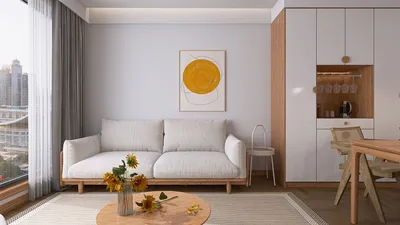


In recent times, there has been a noticeable shift in paint color trends for living rooms toward inviting warm neutrals, gentle earthy hues, and vibrant accent shades. Drawing from my extensive experience redesigning numerous living spaces, I firmly believe that even the coziest rooms can ignite significant creativity. Today, I'm thrilled to present 10 innovative paint color concepts for your living room, merging my personal client insights with data from the industry to motivate your upcoming projects, particularly with the use of Homestyler.
1. Soft Greige Comfort
My Insight: Greige, a blend of grey and beige, has become a staple in my designs due to its enduring charm. I recently applied it in a compact studio, instantly enhancing the atmosphere to feel both warm and elegantly refined.
Benefits: This shade harmonizes beautifully with various furnishings, whether warm or cool, making it especially suitable for smaller living rooms where neutrality is desired without a chill in the air. The Pantone Color Institute has highlighted that neutral tones are increasingly favored for long-lasting appeal.
Drawback: Without the inclusion of textured textiles or layered lighting, the color can appear somewhat flat.
Suggestion: Combine it with natural wood components to amplify warmth, similar to how I integrated wooden features to foster a cosy ambiance in a client's urban loft using Homestyler.
2. Warm Terracotta Glow
My Insight: Terracotta evokes memories of my journeys through Tuscany, infusing a grounded and earthy essence into a living room.
Benefits: This hue introduces depth and warmth, creating an intimate feeling in larger rooms and beautifully complements greenery and rustic elements.
Drawback: For those who favor a breezy, light aesthetic, this color might not be ideal — in smaller spaces, excessive use can create a sense of confinement.
Cost Insight: Expect to spend around $35–$50 per gallon for a mid-range paint in this color, likely requiring two coats to achieve the desired richness.
3. Cool Ocean Teal
My Insight: Ocean teal serves as a striking option for a statement wall, without overwhelming the overall area. I once featured it prominently on a fireplace backdrop with cream furniture — the effect was enchanting.
Benefits: It provides a bold contrast while retaining a calming feel; pairs wonderfully with metallic elements such as gold and brass.
Drawback: Darker hues might make a space feel more compact; ensuring color harmony with furniture is essential.
4. Soft Sage Serenity
My Insight: Sage green has recently gained popularity due to its soothing and contemporary vibe. I paired it with white oak shelves for an invigorating natural appearance.
Benefits: This shade conjures images of nature, seamlessly coordinating with neutrals and accent colors; Benjamin Moore has recommended it as a premier restorative hue.
Drawback: In poorly lit spaces, it may lose its vibrancy; optimal lighting is necessary to ensure its full effect is realized.
Example: I employed sage behind open shelving with a layered styling approach, achieving an aesthetically pleasing look.
5. Elegant Midnight Blue
My Insight: Midnight blue adds an instant touch of drama. I used it in a client's lounge aiming for a sophisticated boutique-hotel ambiance.
Benefits: It creates a stunning contrast with lighter décor and serves as an elegant canvas for art and striking lighting.
Drawback: Adequate lighting is crucial to prevent it from appearing black; dark tones require careful touch-ups.
6. Warm Honey Beige
My Insight: This hue emanates warmth without being overpowering, making it my preferred choice for transitional aesthetics.
Benefits: It adapts well to various seasonal decor shifts, offering an inviting and organic feel.
Drawback: For those seeking a daring interior, it may come off as too conventional.
Tip: Pair it with textured rugs and woven accents to evoke a Mediterranean atmosphere.
7. Crisp White Minimalism
My Insight: Crisp white provides a versatile backdrop, making it ideal for highlighting artwork and striking furniture pieces.
Benefits: This color maximizes light; it accommodates any style and is easy to repaint if you desire a change.
Drawback: It requires regular upkeep as even minor marks become noticeable.
8. Soft Blush Charm
My Insight: A delicate blush adds a touch of character without dominating the room's design.
Benefits: It enhances light reflection, creating an uplifting atmosphere, and pairs splendidly with gold trims.
Drawback: It may appear overly feminine to some and limit future color combinations.
Example: I recently juxtaposed blush walls with a deep charcoal sofa, creating a harmonious balance.
9. Olive Green Depth
My Insight: Olive green establishes a refined, earthy ambiance. I once used it in a reading nook with rattan seats, resulting in an inviting feel.
Benefits: Ideal for layering textures and pairs wonderfully with brass or black fixtures.
Drawback: It can feel heavy in low light conditions; best suited for well-lit rooms.
Case Study: Pairing olive green with wooden trim created a warm, welcoming atmosphere akin to a charming kitchen I designed.
10. Soft Lavender Whisper
My Insight: Lavender is my go-to for introducing a subtle touch of color while maintaining a neutral palette, excellent for clients hesitant to embrace bold hues.
Benefits: It provides warmth without overwhelming intensity, pairing well with greys and creams.
Drawback: It may prove challenging to coordinate with certain warm wood tones, functioning best in modern or eclectic settings.
Conclusion
Small living rooms present an opportunity rather than a restriction; they encourage inventive and thoughtful design solutions. The choice of paint color can dramatically alter not just the aesthetics but also the atmosphere of your space. As color expert Leatrice Eiseman noted, "Color choices communicate something about your identity." Which of these ideas are you eager to explore? Don't forget to utilize tools like Homestyler to visualize your options effectively!
FAQ
1. What are the best paint colors for small living rooms?
Opt for soft neutrals such as greige, sage, and blush to maintain an open and airy feel while adding character.
2. Which paint color can make a living room appear larger?
Light colors like crisp white or pale grey reflect more light, enhancing the perception of space (source: Dulux Design Tips).
3. What paint finish works best in a living room?
Eggshell or satin finishes are recommended for their durability and ease of cleaning, offering a gentle sheen.
4. Are dark colors suitable for small living rooms?
Absolutely, especially when balanced with adequate lighting and paired with lighter decor elements.
5. How can I select a paint color that complements my furniture?
Choose a dominant shade from your upholstery or rugs and work with complementary colors for visual coherence.
6. Is it possible to mix warm and cool paint colors in a single area?
Certainly, combining warm wall tones with cooler fabrics can create a dynamic and well-balanced look.
7. Are trendy paint colors advisable?
Trends can serve as inspiration, but consider timeless options if you plan to keep the color for an extended period.
8. How many colors should I incorporate in my living room design?
Typically, 2 to 3 main colors are sufficient to achieve a cohesive design while avoiding visual clutter.
Discover the joy of home design with Homestyler! This user-friendly platform offers an intuitive online design tool, stunning 3D renderings, a wealth of design projects, and helpful DIY video tutorials. Transform your space effortlessly and unleash your creativity today!
Design Now for FREE
































