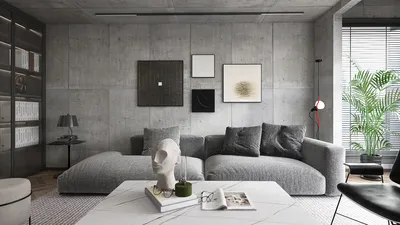


As an experienced interior designer with more than ten years in the field, I've observed that contemporary design trends increasingly favor open and adaptable living room layouts, particularly for long and narrow spaces. These smaller or unconventional areas inspire us to think creatively about furniture arrangement and layout. In this article, I present 10 innovative living room layout ideas specifically tailored for elongated rooms, combining my firsthand design experiences with professional strategies to help you transform any lengthy living area into a comfortable and functional sanctuary, using tools like Homestyler.
1. Establish Defined Zones
My Perspective: In a project for a young couple, we creatively segmented their long living room into three distinct areas: a relaxation zone, a reading nook, and a compact dining area. This approach instantly gave each section a clear purpose.
Advantages: Defined zones lend a sense of intention to a lengthy space. By utilizing elements like area rugs or creative lighting, you can visually separate these areas without the need for physical barriers. Research from Houzz suggests that zoning increases perceived comfort in narrow environments.
Disadvantages: Excessive segmentation might create a disjointed feel; maintaining a consistent design style across different zones can prevent an overly patchy appearance.
Advice: Opt for a subtle color palette to unify the various zones, and consider incorporating eclectic design choices in your Homestyler project to add a personal touch.
2. Symmetrical Furniture Arrangement
My Insight: In one elongated room, I arranged two matching sofas facing each other, which created a cozy conversation area at the center without obstructing the visual flow.
Pros: This setup is fantastic for social interactions and helps balance a narrow space by drawing attention inward, establishing a central focal point.
Cons: Without softening touches like throws or casual decor, it might come off as overly formal.
Advice: Position a sizable coffee table in the center to anchor the seating arrangement and always consider scale.
3. Off-Center Focal Point
My Experience: In a previous long space, instead of centering the television or fireplace, I slightly off-set it to introduce asymmetry, resulting in a more dynamic layout.
Advantages: This approach breaks the monotony and allows for creative placement of furniture, especially helpful in spaces with architectural constraints.
Disadvantages: If not executed carefully, the arrangement might feel unbalanced; balancing out the opposite side with decor can help.
4. Floating Furniture
My Preference: I enjoy moving furniture away from walls in elongated rooms; this creates an airy feel and clearly defines traffic paths.
Pros: This strategy improves circulation and establishes distinct areas within the room, as supported by Architectural Digest's recommendations.
Cons: It requires ample space; in very narrow rooms, this arrangement could hinder walking areas.
5. Parallel Furniture Lines
My Approach: Arranging furniture along both long walls can reflect the room’s shape without creating a confined atmosphere. I successfully implemented this in a slender NYC apartment.
Pros: It streamlines flow and simplifies decorating, particularly suited for minimalist aesthetics.
Cons: Without varying textures or statement pieces, the space may feel like a hallway.
6. Versatile Furniture Options
My Belief: In long living rooms, every piece should serve a purpose—items such as storage ottomans, sofa beds, and nesting tables can make a significant difference.
Pros: This approach maximizes both space and budget, particularly beneficial for compact areas that function as guest rooms.
Cons: Some multifunctional items may compromise on comfort or style.
Advice: Select high-quality, multifunctional furniture that complements your room’s theme, such as a stylish storage bench.
7. L-Shaped Seating Arrangement
My Experience: By rearranging a sectional into an L-shape in an extended room, I instantly created a more intimate atmosphere.
Pros: It breaks the 'bowling alley' effect often seen in long spaces and provides versatility for social seating.
Cons: Ensure the sectional isn’t oversized, as it could dominate the entire room; measuring prior to setup is crucial.
Advice: Use design software like Homestyler to experiment with an L-shaped seating configuration before making a commitment.
8. Striking Accent Wall
My Suggestion: I enjoy applying a vibrant, bold color or texture to one shorter end of the room; it captures attention and creates an illusion of a more compact space.
Pros: This tactic enhances depth, injects personality, and aids in achieving balanced proportions, particularly effective with vertical shelving.
Cons: Darker hues could make a room feel heavy; ensure there's sufficient natural or artificial light.
9. Multi-Layered Lighting Approaches
My Finding: Using a combination of overhead, task, and accent lighting transforms long rooms, where corners often get overlooked.
Pros: This strategy creates diverse atmospheres and emphasizes different zones; evidence from IESNA supports the comfort of layered lighting.
Cons: It necessitates careful planning and budget considerations—cheap lighting can detract from the overall effect.
Advice: Place lamps strategically to guide movement through the space and accentuate features effectively.
10. Incorporating Architectural Features
My Insight: Whether using faux beams, built-in shelving, or archways, subtle architectural details can help divide and personalize a long living room. One interior project utilized a low arch to denote a lounging area, which appeared custom and inviting.
Pros: These features not only enhance character but also increase property value, as reported by Realtor.com.
Cons: Some elements may require professional installation and structural assessment.
Advice: Consider designs such as custom built-in living room shelving to make effective use of otherwise empty wall areas.
Conclusion
A long living room is not a drawback; rather, it presents an opportunity for innovative, bold design solutions. By implementing thoughtful layout strategies, from zoning to diverse lighting options, you can transform an awkward space into a welcoming and versatile living area. According to The Spruce, long rooms thrive when clearly defined in terms of purpose and flow. Which of these 10 suggestions would you like to implement in your own space?
Frequently Asked Questions
Discover your dream space with Homestyler! This user-friendly online home design platform features an intuitive design tool, stunning 3D renderings, and a wealth of DIY video tutorials. Transform your ideas into reality and explore a variety of design projects effortlessly!
Desain sekarang Gratis
































