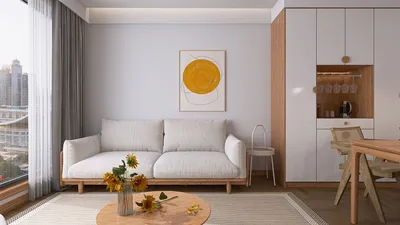


In recent times, the trend of cozy seating has surged in popularity, with bean bags reemerging as a fashionable choice. As an interior designer with a decade of experience specializing in compact living spaces, I’ve observed that bean bags can change a standard living room into a warm and welcoming area. Small environments often spark innovative ideas, and today, I’m excited to share 10 living room design concepts featuring bean bags that harmonize comfort, style, and efficient use of space, supported by real-world examples from my work.
1. Minimalist Corner Retreat
My Approach: I assisted a client in transforming a neglected corner into a cozy minimalist space using a neutral-hued bean bag, a low-profile side table, and inviting lighting. This design created an intimate area ideal for leisurely reading and relaxation.
Advantages: An excellent option for compact living areas; a neutral bean bag enhances minimalist aesthetics and helps maintain an uncluttered look. This works particularly well when paired with layout planning tools, like Homestyler, specifically designed for minimalist interiors.
Disadvantages: It may not function well in extremely tight spaces, especially where large furniture already occupies the room.
Suggestion: Opt for a bean bag that features a removable, washable cover for straightforward maintenance.
2. Bohemian Layering
My Approach: For a bohemian-style urban apartment, I layered bean bags alongside vibrant rugs, textured cushions, and hanging greenery, achieving the relaxed, worldly vibe my client desired.
Advantages: Instantly infuses character; easily adaptable to diverse styles. This is effectively captured in the latest design findings from Elle Decor.
Disadvantages: Overdoing layers can lead to a cluttered appearance rather than a cozy ambiance. Finding balance is crucial.
3. Kids' Play Zone
My Approach: I’ve incorporated bean bags into family-friendly living rooms, creating soft and safe seating for children. Parents have noted that this setup keeps energy levels manageable and minimizes mishaps.
Advantages: Lightweight and easily movable, these bean bags are safer for active kids compared to traditional seating options. Ideal for multi-purpose family areas.
Disadvantages: They can become messy if used for snacks or crafts, thus a washable cover is essential.
Example: One family cleverly positioned bean bags behind their couch to create a hidden fort area; it quickly turned into their children’s favorite place.
4. Movie Night Setup
My Approach: In my personal space, I replaced hefty recliners with oversized bean bags for movie evenings. The outcome? Enhanced floor space and an incredibly comfortable theater experience.
Advantages: Perfect for recreational gatherings; bean bags filled with memory foam conform to your body for superior comfort.
Disadvantages: Getting up from low seating might pose challenges for guests with mobility concerns.
5. Window-Side Lounging
My Approach: A high-rise client envisioned a window seating area but wanted to avoid built-in furniture. A large bean bag placed by the window provided a similar relaxed atmosphere with scenic views.
Advantages: Maximizes natural light use and establishes a dedicated zone for unwinding.
Disadvantages: Exposure to strong sunlight may lead to fading—select UV-resistant fabrics for durability.
Suggestion: Pair with sheer curtains to soften any glare.
6. Reading Nook Transformation
My Approach: I converted a narrow alcove into a cozy reading nook with an ergonomic bean bag, a slim bookshelf, and a warm-toned lamp, leading clients to report increased reading time.
Advantages:Provides a personal retreat within bustling homes; bean bags adapt to your shape in ways rigid chairs cannot.
Disadvantages: Lacks robust back support for extended reading sessions—consider a small throw pillow for added comfort.
Example Reference: Explore layouts inspired by inviting reading corner designs to visualize your space before implementing changes.
7. L-Shaped Bean Bag Arrangement
My Approach: For a compact loft, I configured several bean bags in an L-shape to mimic the comfort of a sectional sofa—clients appreciated the modular arrangement and relaxed vibe it provided.
Advantages: This versatile seating option is great for gatherings and allows for casual interactions.
Disadvantages: Lacks the solid support of a conventional sofa; some might prefer a structured backrest.
8. Matching Color Palette
My Approach: Coordinating the color of bean bags with the wall and rug created a calming, unified aesthetic in a small apartment I designed last year.
Advantages: Establishes visual harmony, making the area feel more spacious and intentional.
Disadvantages: Excessive matching can result in a sterile environment—consider incorporating contrasting elements for balance.
9. Studio Divider Idea
My Approach: In open-concept studios, I’ve effectively utilized a row of bean bags to create a visual division between the living and sleeping areas without the need for bulky partitions.
Advantages: Maintains an airy feel while subtly demarcating spaces.
Disadvantages: Does not provide sound insulation and may not be suitable if complete privacy is required.
Suggestion: Different fabrics or colors can help reinforce boundaries subtly between zones.
10. Outdoor-Indoor Flow
My Approach: Waterproof bean bags work beautifully in establishing a seamless flow between indoor living spaces and outdoor environments like balconies or patios—clients enjoy the freedom to move them as they wish.
Advantages: Expands visual living space and is perfect for summer lounging, as supported by Houzz design insights.
Disadvantages: Requires routine cleaning if frequently exposed to outdoor conditions.
Example Reference: Browse examples of relaxed indoor-outdoor setups for fresh ideas.
Summary
Compact living spaces do not stifle creativity; rather, they encourage smarter design solutions. Bean bags can merge style with function, offering a level of flexibility that traditional sofas often lack. As noted by Architectural Digest, comfort-oriented furniture is on the rise, so why not explore these design ideas? Which bean bag living room concept are you excited to try?
FAQ
Q1: Are bean bags a good fit for small living rooms?
Absolutely! They are lightweight, versatile, and can easily fit into corners or unused spaces, optimizing floor area.
Q2: How can I choose the best bean bag?
Take into account size, shape, and filling material. Memory foam varieties provide exceptional comfort; refer to ergonomic standards from BIFMA for optimal posture support.
Q3: Can bean bags enhance the aesthetics of formal living rooms?
With the right materials and color schemes, bean bags can add a touch of sophistication complementing formal setups.
Q4: What is the best way to clean a bean bag?
Most bean bags come with removable covers—machine-wash them if permitted, or spot-clean for delicate fabrics.
Q5: How durable are bean bags?
High-quality stitching and materials ensure their longevity. Outdoor versions typically utilize UV-resistant, waterproof fabrics.
Q6: Can bean bags substitute traditional sofas?
Definitely! Especially in relaxed environments, an L-shaped bean bag arrangement can emulate sectional seating.
Q7: Do bean bags promote good posture?
They conform to your body shape, providing comfort; however, for prolonged use, incorporating back or neck support, as advised by the Mayo Clinic, is recommended.
Q8: Is it possible to blend bean bags with conventional seating?
Certainly! Mixing styles can enhance flexibility and visual appeal within your living space.
Homestyler is your go-to online home design platform! With its user-friendly design tool, stunning 3D renderings, and a wealth of inspiring design projects and DIY video tutorials, transforming your space has never been easier. Start creating your dream home today!
Zaprojektuj teraz za darmo
































