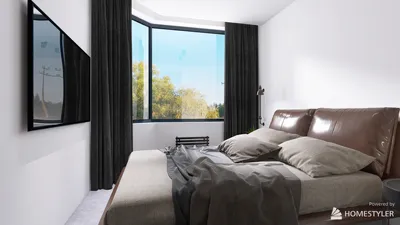


I once designed a compact studio for a client who persistently requested an oversized chandelier suitable for hosting dinner parties — and it almost led to a ceiling disaster. This unconventional demand prompted me to reconsider the impact of scale-free lighting on design aesthetics. Working in small spaces often ignites the most innovative solutions, and over my decade of experience designing kitchens, bathrooms, and compact homes, I've uncovered several effective strategies.
1. Layered Lighting with Sleek Fixtures
I adore fusing ambient, task, and accent lighting through slender fixtures that maintain an open feel. Recessed lighting or narrow linear ceiling lights provide an even ambient glow, while under-cabinet strips cater to task lighting, and slim wall sconces contribute character. This approach not only fosters a spacious ambiance with clear functionality but can also present a challenge in coordinating multiple circuits — yet, a smart dimmer often resolves this issue efficiently.
save pin
2. Utilize Mirrors and Glossy Surfaces to Amplify Light
In one petite bathroom renovation, I incorporated a half-height mirrored wall alongside glossy tiles to reflect light from a modest vanity lamp. Mirrors effectively enhance your lumens and create the illusion of larger niches. However, it’s crucial to avoid an overly flashy aesthetic; keeping reflections purposeful and using warm color temperature bulbs is key to achieving balance.
save pin
3. Vertical Lighting to Highlight Height
In smaller rooms, I sometimes install vertical LED strips near doorways or behind shelving to draw attention upward. This strategy not only visually elevates the ceiling height but also provides a modern look without adding bulk. While this might be pricier than a simple pendant light, the enhanced perception of space significantly benefits compact designs.
save pin
4. Multi-Functional Fixtures to Save Space
On one occasion, I equipped a kitchen with a pendant that cleverly combined a smoke detector and a rail light for utensils — an unusual choice that rescued counter space from clutter. Merging functions in a single fixture minimizes overhead visual noise and streamlines installation. The downside is a reduced selection of finishes, so it’s wise to select a piece that matches your aesthetic early in the design process.
save pin
5. Accent Niches and Toe-Kick Lighting
Small LED lights placed beneath cabinets or inside display niches add depth and orientation at night, enhancing the space without overwhelming it. I implemented toe-kick lighting in a micro-kitchen to create a floating effect, providing a sense of luxury on a limited budget. While careful placement and low-voltage drivers are necessary, the resulting effect is remarkably impressive.
save pin
Inspirations and Tools
During the layout sketching phase, I frequently test my ideas using a 3D mockup — it’s the quickest way to observe how light interacts with materials and corners. If you’re looking to experiment swiftly in three dimensions, consider utilizing Homestyler, my preferred 3D floor planner, which offers realistic previews and lighting simulations.
save pin
FAQ
Q: What light temperature works best for small living rooms?
A: I recommend using warm white lights in the range of 2700K to 3000K for small living rooms, as they create a cozy yet functional atmosphere for tasks. Warmer tones help to soften the appearance of compact spaces and minimize glare.
Q: Are LEDs capable of replacing all my current fixtures?
A: Certainly! LEDs can substitute most fixtures effectively while greatly reducing energy consumption; just ensure the lumen output and beam angle align with the fixture's original purpose.
Q: How much lumen output is ideal per square meter?
A: A common guideline is 100–200 lumens per square meter for ambient lighting and 300–500 lumens for task-oriented areas like kitchen counters.
Q: Are smart dimmers essential in small spaces?
A: They aren’t strictly necessary, but smart dimmers provide flexibility and allow you to adjust lighting scenes without rewiring — extremely useful in multifunctional small spaces.
Q: Is it appropriate to mix metal finishes in lighting?
A: Yes, blending finishes can produce a curated appearance if you repeat at least one finish across the space, fostering cohesion throughout the design.
Q: How can I prevent glare from glossy surfaces?
A: Utilize diffused fixtures, indirect lighting, and adjustable task lights; direct beams away from reflective surfaces to significantly reduce glare.
Q: Where can I find information about lighting standards and safe installations?
A: Refer to recognized authorities like the Illuminating Engineering Society (IES), which offers recommended practices and industry standards (https://www.ies.org/).
Q: Is it possible to visualize lighting before making a purchase?
A: Absolutely! Using a realistic planning tool helps you preview fixtures, shadows, and material reflectance, helping you make more informed buying decisions.
save pin
For anyone looking to transform their living spaces, Homestyler is a fantastic online home design platform. With its user-friendly design tool, stunning 3D renderings, and a vast array of DIY video tutorials, you can easily experiment with and bring your creative home design visions to life.
Zaprojektuj teraz za darmo
































