

I once made the mistake of installing a chandelier that was so large it obstructed my client’s TV. This rookie error highlighted the importance of testing scale in interior design. Small spaces can pose challenges, yet they also encourage creative solutions. In this article, I'll share five innovative lighting decoration ideas designed to make compact areas feel more expansive, inviting, and unexpectedly stylish, based on projects I’ve managed using tools like Homestyler.
1. Layered Lighting for Enhanced Depth
I always start by incorporating three essential layers of lighting: ambient, task, and accent. Ambient lighting serves as your foundation, typically achieved through recessed fixtures or a dimmable ceiling lamp. Task lighting is focused on specific work areas, such as a slim pendant over a kitchen island, while accent lighting adds emphasis to artwork or decorative shelves. This approach creates immediate depth and flexibility in the space. The main challenge lies in coordinating switches and dimmers, but smart dimmers can quickly alleviate that issue, especially when planning with tools like Homestyler.
save pin
2. Slim Wall Sconces for Floor Space Conservation
When dealing with a compact living room, wall sconces become my preferred choice over floor lamps, which can create clutter. These fixtures free up walking paths and can serve as chic reading lights beside a sofa or bed. Although careful placement is essential to prevent glare, when positioned correctly, wall sconces add a vertical element that enhances the perceived height of ceilings.
save pin
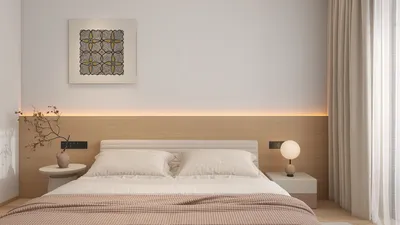
3. LED Strip Lighting for an Understated Glow
I often utilize LED strips under cabinets, behind headboards, or along baseboards to achieve a floating effect. LEDs are not only energy-efficient but can also be color-tuned to set the mood. The main challenge lies in the detailed installation; ensuring the strips are hidden seamlessly is key. However, the result is a contemporary layered ambiance that adds minimal visual weight. For planning layouts and previewing visual effects, I frequently use a 3D floor planning tool, such as Homestyler, to visualize lighting positions ahead of time.
save pin
4. Utilizing Mirrors and Reflective Fixtures
The combination of mirrors with well-placed wall lights can significantly amplify brightness in a room. I once assisted a client with a studio that lacked windows by angling a brushed-metal pendant to direct light towards a large mirror, instantly creating a sense of spaciousness. This affordable trick is effective, but care must be taken to avoid glare from reflections; aiming for indirect light sources can enhance the effect.
save pin
5. Multi-Functional Lighting Elements
I have a strong appreciation for lighting fixtures that serve multiple purposes, such as a pendant lamp featuring an integrated shelf, or a floor lamp that includes a built-in table. These choices help to minimize clutter while maximizing utility. Although these options can be more expensive and come with fewer selections, the convenience they offer often outweighs the cost, especially in limited spaces. When reorganizing kitchen task zones, consider using a kitchen layout planner to strategically place lights in relation to prep areas.
save pin
FAQ
Q1: What is the ideal color temperature for small living rooms? A: Warm white (2700K–3000K) fosters a cozy atmosphere, while neutral white (3000K–3500K) is suitable for a slightly brighter, contemporary vibe.
Q2: Can LED strips harm surfaces? A: Quality LED strips come with adhesives designed for walls and cabinets; always test a small area and follow manufacturer guidelines to prevent residue.
Q3: How many layers of lighting should I incorporate? A: Aim for a minimum of ambient, task, and one accent source to enrich depth and versatility.
Q4: Are smart bulbs advantageous? A: Absolutely for their adaptability — features like scheduling, dimming, and color tuning allow you to adjust ambiance easily without complex rewiring.
Q5: How can I effectively plan lighting to avoid errors? A: Develop a scaled floor plan and simulate fixture heights either physically or digitally; utilizing a free floor plan creator can help visualize lighting layouts before installation.
Q6: Do mirrors always contribute to a room's spaciousness? A: Mirrors enhance the illusion of space when they reflect light or an open view; avoid positioning them to reflect clutter or windows with no appealing view.
Q7: What is a quick budget-friendly tip for improving lighting? A: Begin with layered lighting but prioritize investment in quality control items like dimmers and LED drivers — these enhance longevity and comfort.
Q8: Where can I find reliable information on lighting standards? A: The Illuminating Engineering Society (IES) provides thorough standards and guides; consulting their documentation can offer insights into proper lux levels and best practices.
save pin
Homestyler is an exceptional online home design platform that makes interior decorating a breeze. With its user-friendly design tool, stunning 3D renderings, inspiring design projects, and helpful video tutorials, you can effortlessly create and visualize your dream space. Dive into your design journey today!
立即免费设计
































