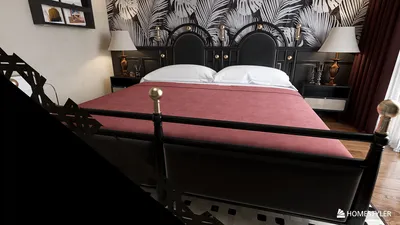


In a previous project, I installed a spaceship-themed light in a client's child's room, only to discover the boy had a preference for a dinosaur night lamp — a true reminder that designers often face unexpected surprises. This little event underscored the importance of creativity in designing for small spaces, especially when considering children's preferences. Lighting stands out as one of my preferred methods to alter mood, functionality, and scale within these areas. In this piece, I will present five innovative lighting concepts that I have successfully applied in actual projects, all aimed at making boys' rooms more enjoyable, comfortable, and intelligent.
1. Layered illumination featuring a signature ceiling light
Beginning with a striking ceiling fixture — be it a geometric pendant, an industrial-style cage, or something spaceship-themed — helps define the room's unique character. This ceiling light serves as the focal point of the design while offering ambient illumination, complemented by recessed lights or wall-mounted sconces for task and accent lighting. This approach provides immediate personality and distributes light evenly. However, be cautious with the scale in smaller rooms to prevent the fixture from being overpowering.
save pin
2. Flexible wall-mounted reading lights
For spaces with bunk beds or study nooks, adjustable wall lamps are invaluable tools. On one occasion, I installed swing-arm sconces above the beds of two brothers, allowing them to direct light towards their reading materials without disturbing one another. These fixtures save floor space and provide an ideal solution for nighttime story sessions. A minor inconvenience is the complexity of retrofitting them; hence, considering plug-in variants or planning wiring ahead of time is advisable.
save pin
3. Color-changing LED strips for playful learning areas
Incorporating RGB or tunable white LED strips beneath shelves or behind desks creates distinct zones—warm white for homework, cool white for focused tasks, and vibrant colors for fun-filled game nights. I previously used LED strips behind a floating desk in a compact space, successfully delineating the study area without sacrificing valuable floor space. A professional tip: select dimmable, high-CRI strips to maintain natural skin tones and colors during creative activities.
save pin
4. Motion sensor night lights
Nightlights equipped with motion sensors have become a favorite among parents. For instance, I advised installing discreet floor-level sensors for a boy who often woke up at night; these lights guide children safely without glaring overhead illumination. They enhance energy efficiency and minimize the risk of tumbles. However, it’s essential to note that some kids may find these sensors too bright; position them low and direct them away from the child's face.
save pin
5. Themed lamps that serve as decor
Lamps featuring themes such as rockets, globes, or sports designs can anchor a room's overall aesthetic while providing essential lighting. I previously combined a globe lamp with an LED reading strip to accommodate both play and study needs. While these thematic choices add charm, they may need to adapt to changing tastes; opting for timeless designs or easily interchangeable lampshades will ensure longevity.
save pin
Tips 1:
Do you want to visualize the layout and scale of fixtures before shopping? I often initiate with a straightforward room mockup to evaluate the proportions of fixtures and their lighting placement. For swift planning, utilize 3D floor planning software to view how a pendant will appear above a bed and how light disperses throughout the space.
save pin
FAQ
Q: What is the ideal ceiling light for a small boy's room? A: Opt for a low-profile pendant or semi-flush mount with diffused lighting to eliminate glare and maintain balanced scale. Integrated LED options enhance efficiency.
Q: Are colored LEDs safe for children's rooms? A: Yes, provided you select certified low-voltage LED strips featuring suitable insulation and a reputable power source. Make sure to keep controllers out of reach from younger children.
Q: How bright should the study area be? A: Aim for 300–500 lux at the desk surface; usually, a targeted task lamp combined with ambient lighting will achieve this brightness.
Q: Is it possible to install wall lamps without rewiring? A: Yes, plug-in wall sconces or battery-operated motion lights are alternatives that avoid complex wiring during a quick update.
Q: How can I prevent a room from appearing too juvenile as my child matures? A: Choose classic fixtures in neutral tones, and interchange playful lampshades; this strategy keeps the main lighting relevant over time.
Q: What about smart lighting compatibility? A: Smart bulbs and switches are excellent for parental control and routines; just ensure that the fixtures you select are compatible with the bulb types and dimming capabilities you desire.
Q: How do I determine the appropriate color temperature? A: Use warm white (2700–3000K) for sleep and cozy areas, and neutral-to-cool white (3500–4000K) for study settings to enhance concentration.
Q: Where can I find standard lighting recommendations? A: For reliable guidance, consult publications and recommendations from the Illuminating Engineering Society (IES), which detail appropriate illumination levels and best practices (IES: https://www.ies.org).
save pin
Minimalist Solid Wood Outdoor Chaise Lounge Set with Fabric Cushions 3D Model

Maven Lane 31" Sophia Backless Bar Stool

Discover the ease of home design with Homestyler! This user-friendly online platform offers a superb design tool, incredible 3D rendering, and a wealth of DIY video tutorials. Whether you’re a beginner or an expert, you’ll find endless inspiration and practical guidance to transform your space beautifully!
Design Now for FREE
































