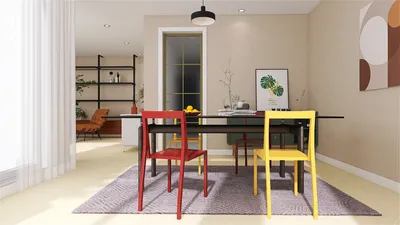


I once attempted to persuade a client about the feasibility of creating a Lego table that also serves as a dining space. They requested a design that could conceal bricks, endure red wine spills, and transform into a guest bed. From this experience, I discovered two critical lessons: parents have grand visions, and limited spaces inspire innovative solutions. Explore my favorite case study showcasing how compact areas can appear much more spacious.
1. Flip-top dining table with integrated brick storage
I transformed a slim console into a flip-top dining table featuring deep storage bins concealed beneath the surface, allowing a seamless transition from Lego play to mealtime in just seconds. This approach offers the advantage of immediate multi-functionality; however, it requires robust hinges and a reliable latch to ensure that playtime doesn't become a potential mess.
Budget-friendly advice: utilize plywood along with affordable drawer slides to create a strong yet budget-conscious framework.
save pin
2. Mobile island with customizable storage compartments
Wheels are a parent’s indispensable ally — I crafted a mobile island equipped with stackable compartments, enabling children to effortlessly move the table to the living area and back. This design promotes flexibility and is ideal for shared spaces, but it is essential to select locking casters and secure the cube stacks to prevent tipping.
I frequently incorporate transparent plastic bins inside each cube to facilitate quick and organized cleaning — a small yet effective strategy for teaching children to sort items by color.
save pin
3. Wall-mounted foldable table that tucks neatly away
For compact living quarters, a wall-mounted table that folds down above a bench is incredibly effective; the bench can serve as additional storage for long trays of bricks. This design maximizes floor space and establishes a distinct area, but precise installation is crucial to support the desired weight.
If you seek guidance on planning dimensions and clearances, I have developed a detailed layout example to illustrate the necessary clearances around the fold-away unit prior to construction.
save pin
4. Lift-top coffee table that conceals storage
Children enjoy a low table they can sit around on the rug; I added a hydraulic lift top that reveals a spacious hidden compartment suitable for Lego sorting trays. It adds a mature aesthetic to the living room, although it sacrifices some table height when elevated, and the mechanism will incur additional costs.
Practical tip: line the interior with non-slip shelf liner to prevent trays from sliding around when the table is moved.
save pin
5. Modular table featuring drawer fronts and display risers
I designed a rectangular table that includes shallow drawers on one side for minifigures and tools, while the other side remains open for bulk bricks, complemented by a clear acrylic display riser for showcasing creations. This design effectively balances display, play, and storage; the challenge lies in preventing children from overstuffing drawers — labeling them and managing quantities can help.
For design inspiration, I often utilize reference images from a project page and customize colors and proportions to match the room's aesthetic.
save pin
FAQ
Q1: What are the best materials for a DIY Lego table with storage?
Utilize furniture-grade plywood for the structure, MDF for the drawer fronts, and clear acrylic for display elements. Plywood provides a balanced combination of strength, weight, and affordability.
Q2: What depth should the storage bins be for bricks?
Bins with a depth of 4–6 inches are suitable for most bricks; deeper trays can accommodate baseplates and larger pieces. Shallower trays enhance visibility and ease sorting.
Q3: How can I childproof the table?
Round edges, soft-close drawers, and recessed hinges minimize the risk of pinching. It's advisable to secure taller units to the wall to prevent tipping.
Q4: Can adults also use the table?
Definitely — configurations such as flip-top and lift-top tables provide a versatile surface ideal for crafts, laptops, or enjoying meals with children nearby.
Q5: What is a reasonable budget for such a table?
Anticipate a budget ranging from $80 to $300 for a sturdy DIY creation, depending on the chosen materials and hardware; features like hydraulic lifts or custom drawers will increase costs.
Q6: How can I prevent Lego dust and crumbs from accumulating?
Incorporate removable bins and washable liners; consider integrating a compact vacuum station or keep a handheld vacuum at hand for quick tidying.
Q7: Are there safety standards for children's furniture that I should adhere to?
Absolutely — comply with guidelines from the U.S. Consumer Product Safety Commission for preventing furniture tip-over and hazards associated with small parts. Detailed safety measures can be found at https://www.cpsc.gov/
Q8: Where can I discover additional layout ideas?
Browse online case studies and room layouts for adaptable proportions suitable for your space; accurate measurements and mockups with cardboard can save time on redesigns.
save pin
Homestyler is your go-to online platform for home design! With its user-friendly design tool, stunning 3D renderings, and a wealth of DIY video tutorials, you can easily transform your creative ideas into reality. Start designing your dream space today!
Desain sekarang Gratis
































