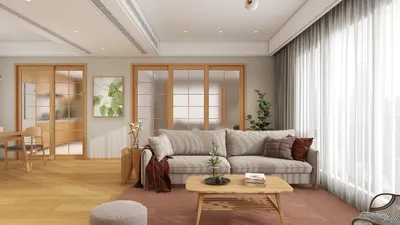


In my past experiences, I attempted to hide a pendant lamp behind a bookshelf at a client's request for ‘invisible lighting’ — spoiler alert: it backfired, and we had to rewire the whole thing. This little mishap taught me that compact spaces require genuine, innovative lighting solutions instead of mere tricks. Constrained areas often inspire significant creativity, and after a decade of transforming kitchens and apartments, I've gathered a selection of dependable LED strategies that I enjoy implementing.
1. Dimmable zones with layered LED lighting
I typically begin with three distinct layers: ambient, task, and accent. Ambient lighting from recessed strips or ceiling fixtures provides uniform light, while under-cabinet LEDs cater to specific task requirements. Slim accent LEDs are perfect for illuminating artwork or architectural touches. The benefit of these setups is that they offer control — dimmable areas can make a small room feel more expansive during the day and cozy at night. However, the added wiring and switches can introduce a layer of complexity.
save pin
2. Using cove and concealed strip lighting for depth
Invisible light strips placed in coves or behind moldings create a floating sensation that elevates ceilings visually. This is one of my favored budget-friendly tricks; the installation is relatively simple, and the end result appears upscale. A key consideration is to select LED strips with suitable diffusion to prevent unpleasant visible hotspots.
save pin
3. Multi-colored tunable LEDs for varying moods and functions
Tunable white and RGBW LEDs provide versatility, allowing transitions from bright task lighting to soothing warm tones for relaxation. I incorporated this into a studio renovation where the client desired both vibrant makeup lighting and warm hues for movie nights — a single system achieved both. Beware of low-cost controllers, as they might flicker or fail to deliver consistent color quality; I suggest using reputable drivers for this purpose.
save pin
4. Integrated lighting in furniture designs
As a designer, integrating LEDs into pieces like shelving units, wardrobes, and headboards to add functionality without utilizing extra floor space is something I truly appreciate. This approach is excellent for small rooms where every square inch matters — built-in strips can illuminate the interior and produce a subtle ambient glow. The main hurdle is planning for accessibility in maintenance, ensuring that connections remain discreet yet serviceable.
save pin
5. Smart LED fixtures featuring predefined scenes
Smart LED fixtures that can save scene setups and schedules eliminate decision-making fatigue. I often program presets like ‘Morning Bright’, ‘Focus Work’, and ‘Evening Warm’ to ensure clients get the perfect light with a simple tap. However, compatibility can be a downside — it’s crucial to choose the right ecosystems to avoid future issues, and I always document the configuration for the homeowners' reference.
For those wanting to quickly visualize lighting layers during the design process, I sometimes initiate a digital room layout using a practical room planner like Homestyler to test fixture locations and intensities before any professionals come onboard.
save pin
Tips 1:
Budget tip: High CRI (90+) LEDs and quality diffusers are more important than wattage, as they enhance the vibrancy of colors and materials. Practical advice: map out switches and dimmers on your floor plan at the beginning. For rental spaces, opting for adhesive-backed LED strips that are removable is a good strategy, but be sure to select strips with a reliable adhesive and low heat output.
save pin
FAQ
Q1: What color temperature is ideal for living spaces? A: I generally suggest 2700K–3000K for comfortable living areas and 3000K–3500K for situations requiring slightly more clarity. Warmer tones create an inviting atmosphere, while cooler tones appear crisper.
Q2: How many lumens are necessary for a small bedroom? A: Aim for 1,500–3,000 lumens spread across ambient, task, and accent lighting. Dimmers should be incorporated to refine the settings according to various activities.
Q3: Are LED strips appropriate for ceiling use? A: Certainly — concealed strips in coves or tray ceilings perform excellently, provided diffusers are used to avoid spotting, and the strips are suitable for ceiling heat dissipation.
Q4: Is investing in smart lighting justifiable? A: Many clients I've worked with find that smart lighting offers significant convenience and energy savings, although it necessitates initial setup and careful attention to compatibility.
Q5: How can I prevent LEDs from flickering? A: Implement quality drivers and dimmers that are specifically designed for LEDs. Flickering issues usually arise from the use of incompatible dimmers or substandard drivers.
Q6: Do LEDs impact the appearance of artwork colors? A: Absolutely — choose LEDs with a CRI of 90+ to maintain accurate color representation. For those needing museum-grade lighting, adhere to standards for art conservation.
Q7: How can I easily prototype lighting designs for rooms? A: I often begin with a free floor planning tool to sketch out zones and fixture types before making any purchases.
Q8: Are there definitive guidelines for residential lighting design? A: Yes — recommendations from the Illuminating Engineering Society (IES) provide trustworthy guidance on lumen targets and lighting practices (refer to the IES Lighting Handbook for further details).
save pin
Homestyler is your go-to online home design platform! With its user-friendly design tool, stunning 3D rendering, and a wealth of design projects and DIY video tutorials, you can easily transform your creative ideas into reality. Perfect for both beginners and experienced designers!
Design Now for FREE
































