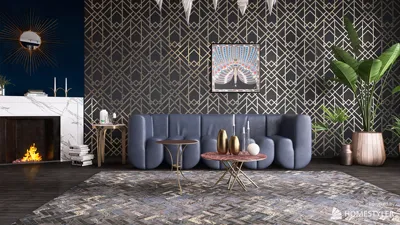


In the last ten years of my career as an interior designer, I've witnessed a remarkable transformation in the approach we take towards long living rooms. Today's design trends prioritize open space, multifunctional areas, and visual cohesiveness, making long rooms an ideal canvas for innovative ideas. Unlike compact spaces that require strategic planning, long and narrow living rooms invite imaginative layouts that can enhance their perceived size. In this piece, I will present ten layout strategies for elongated living rooms, complemented by my personal design experiences and professional insights supported by research.
1. Establish Separate Zones
My Insight: For a city family's apartment, we transformed a 25-foot living room by creating a lounge area and a reading nook. This segmentation shifted the ambiance from stark to snug, enhancing comfort.
Benefits: Dividing a lengthy space into defined zones fosters intimacy and improves flow. The American Society of Interior Designers reports that such zoning can enhance comfort and utility by up to 30% in elongated areas.
Drawbacks: Over-segmenting space may lead to a cluttered appearance, requiring a careful balance between functionality and open areas.
Advice: Use carpets and lighting strategically to delineate zones. If you're drawn to minimalist approaches for living room zoning, these elements can redefine your environment.
2. Symmetrical Seating Arrangements
My Insight: I often employ symmetry to visually shorten the appearance of a room; positioning two sofas across from each other with a central coffee table fosters a sense of equilibrium, anchoring the eye.
Benefits: Symmetry conveys sophistication and balance, even in extensive spaces, making the environment feel purposeful and refined.
Drawbacks: This layout might restrict versatility; frequent rearrangers may find symmetrical arrangements too rigid.
Advice: If a full sofa seems overwhelming, consider placing matching armchairs at both ends.
3. Floating Furniture Away from Walls
My Insight: By positioning your seating away from the walls, you can create walkways that lend a better balance to long spaces. I successfully designed a staggered layout in a 30-foot room that instantly enhanced its perception of width.
Benefits: This arrangement boosts flow and allows for more creative configurations, which is essential when considering long living room layout strategies.
Drawbacks: It may demand more floor space and careful management of cords and cables.
4. Layered Lighting for Dimension
My Insight: I frequently combine ceiling fixtures with wall sconces and table lamps to create an inviting depth. In a narrow loft, we placed sconces along the walls to create a continuous visual line.
Benefits: Varied lighting elevates mood and defines different areas; studies from Houzz indicate that diverse light sources can make spaces feel more expansive.
Drawbacks: Additional fixtures lead to increased expenses and necessitate more extensive electrical planning.
Case Note: Dimmer switches can effortlessly adapt a single room to different moods.
5. Strategic Color Application
My Insight: Applying darker hues to short walls while keeping long walls lighter can visually enhance proportions. I once utilized deep teal for a client's short wall, turning the lounge area into a cozy retreat.
Benefits: Creative color usage can effectively alter perceptions, especially in long living room layout designs.
Drawbacks: This approach requires commitment, as bold colors can overwhelm if misapplied.
6. Functional Dividers and Shelving
My Insight: Open shelving can allow light to flow while offering essential separation. In a rental project, a low bookshelf created a subtle divide between the dining and living areas.
Benefits: Provides additional storage and display opportunities while helping to organize functional zones.
Drawbacks: Ill-placed shelves could disrupt the flow of the room.
For those who appreciate open shelving that serves as a divider, it can do wonders in elongated spaces.
7. Diagonal Furniture Orientation
My Insight: Arranging furniture at an angle can disrupt the tunnel-like feel of a long room. I once angled a sofa 30 degrees toward a fireplace, introducing an element of surprise and warmth.
Benefits: Creates a lively atmosphere and breaks the monotony of long lines.
Drawbacks: This setup might waste some space, making it more suitable for areas that aren't excessively narrow.
8. Statement Rugs for Area Definition
My Insight: Large area rugs help define spaces, making each functional area intentional. In a gallery-style living room, two rugs created a stylistic break between activities.
Benefits: Grounds the furniture arrangement and improves acoustics in the space.
Drawbacks: Larger rugs can be expensive and more challenging to maintain.
9. Incorporation of Vertical Features
My Insight: Utilizing tall bookshelves and artwork draws the eye upward, balancing out horizontal expanses.
Benefits: Enhances the perception of height; well-chosen vertical elements can add grandeur to the room.
Drawbacks: Tall items might dominate if not counterbalanced with horizontal elements.
Advice: Maintain consistency in vertical design styles and colors for a harmonious appearance.
10. Versatile Furniture Solutions
My Insight: In a compact urban setting, I crafted a bespoke bench that provided both storage and seating at one end of the long living room, making it an essential asset for hosting.
Benefits: Maximizes functionality without adding clutter; ideal for long living room layouts, especially in smaller apartments.
Drawbacks: Custom options may incur higher upfront costs.
For further inspiration, consider modular furniture setups that adapt to evolving needs.
Summary
Owning a long living room is not a drawback—it presents an opportunity to design pragmatically. Through zoning and color strategies, the objective is to leverage proportionality and functionality to your advantage. As noted by Elle Decor, well-designed spaces often incorporate various techniques for maximum impact. Which of these ten strategies are you eager to implement?
FAQ
1. What is the optimal furniture layout for a long living room?
Segmenting the area into functional zones—such as seating, reading, or dining—is highly effective. Symmetrical designs also contribute to creating balance.
2. How can I improve the appearance of a long narrow living room?
Utilize lighter colors on long walls, add mirrors, and float furniture to create the illusion of expanded width.
3. Are rugs essential in long living room designs?
Absolutely. Rugs play a critical role in defining zones, minimizing echo, and adding texture, all of which can help balance elements in elongated rooms.
4. Can lighting influence the perception of space?
Definitely. Layered lighting enhances dimensionality and function. Design surveys from Houzz suggest that varied lighting can visually broaden a room.
5. Should I incorporate dividers in a lengthy living room?
Open shelving or low barriers can effectively demarcate spaces without hindering light or flow.
6. How should I position seating in a long living room?
Arranging seating to foster conversation zones is crucial; floating furniture can help balance the space effectively.
7. What colors are best for long living rooms?
Using contrasting colors on the end walls versus the side walls can enhance visual proportions. Avoid excessively dark shades on all walls unless aiming for a very intimate atmosphere.
8. Is multifunctional furniture beneficial in long living rooms?
Indeed, multifunctional pieces that provide storage or versatile use can be especially beneficial. For example, an ottoman with concealed storage can double its utility without adding clutter.
Looking to transform your space? Homestyler is your go-to online home design platform! With its user-friendly design tool, stunning 3D renderings, diverse design projects, and helpful video tutorials, you can effortlessly create the home of your dreams—no prior experience needed!
Design Now for FREE
































