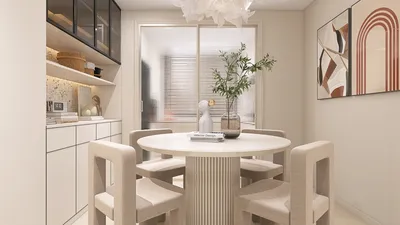


Having spent over ten years as an interior designer revamping small professional environments, I've noted a significant shift in current design trends towards warm minimalism, biophilic elements, and flexible layouts suited for hybrid workplaces. I firmly believe that even small spaces can spark immense creativity. When it comes to designing a law office, I strive to find a balance between authority and friendliness. In this article, I will present five practical design inspirations, weaving in personal anecdotes, proven advice, and insights grounded in research to help you create a law office that feels both professional and inviting. In my initial project for a solo practitioner, focusing on high-quality wood finishes transformed a cramped office into a soothing client area that resembled a boutique rather than a typical lawyer's cubicle.
Minimalist Professional Palette
My Perspective
I usually begin with a subdued color palette—think muted navy, soft greys, and gentle creams—ensuring nothing competes with the work or impactful conversations. In a previous redesign of a small law office, this simplified color scheme made the reception area feel more expansive and less daunting for clients.
Advantages
Employing a minimalist palette diminishes visual distractions and promotes calmness during client meetings; this strategy is effective for small spaces seeking a professional and modern ambiance. Subtle variations—such as a deep navy feature wall behind a shelf—brand the space elegantly without overwhelming it, which is ideal for law firms aiming for understated authority.
Drawbacks
Excessive minimalism can create a cold atmosphere if texture is not introduced; I've had clients humorously compare a minimalist office to a high-end interrogation room. To prevent a sterile environment, it's necessary to incorporate textiles, art, or a warm accent spot.
Tip / Budgeting
Consider investing in a singular high-quality accent item—such as an upholstered chair for clients or a distinctive artwork—rather than multiple mid-range pieces. This strategic investment can significantly enhance the overall design without incurring a hefty expense.
save pin
Biophilic Touches for Serenity and Trustworthiness
My Perspective
I've incorporated plants into numerous offices, from potted fiddle-leaf figs in waiting areas to easy-care succulents adorning shelves. One notable instance involved adding greenery and a living wall, which alleviated the overwhelmingly formal atmosphere a client described as "too lawyerly," making appointments feel significantly more relaxed and personable.
Advantages
Integrating plants and natural materials can yield substantial benefits for well-being; incorporating biophilic aspects is among my favored law office decor ideas to boost client comfort and employee morale. Research highlighted by Harvard Business Review indicates that exposure to flora and nature can reduce stress and enhance cognitive performance, especially in high-pressure environments like legal offices.
Drawbacks
Maintenance is a common concern—live plants require care, and neglected foliage can undermine the concept entirely. If your team is busy, opt for hardy species or consider high-quality artificial plants to avoid adding another responsibility to your decor upkeep.
Tip / Case Study
I often place a small live planter near the reception desk alongside resilient plants like snake plants at each attorney's workspace. This combination presents an intentional yet low-maintenance appearance, ideal for small law offices managing tight operational schedules.
save pin
Efficient L-shaped Layouts
My Perspective
In compact suites, an L-shaped layout optimally utilizes corner spaces. I organized an L-shaped workstation for a two-attorney office, ensuring each lawyer had designated client seating without overcrowding the room. This design effectively created distinct areas for reception, private meetings, and focused work.
Advantages
An L-shaped layout enhances traffic flow and separates areas meant for client interaction from behind-the-scenes tasks; it ranks among the top law office decor ideas for small spaces requiring clear functional divisions. This geometry enables storage to be tucked into corners, freeing up wall space for bookshelves or art displays.
Drawbacks
In exceedingly narrow rooms, an L-shaped configuration might feel like the furniture is boxed in; I often joke that the desks conspire to prevent staff from taking breaks. It’s important to assess sightlines to ensure clients don’t feel like they’re walking directly into a workstation.
Tip / Tool
Before purchasing furniture, create a mock-up of the layout using a basic floor plan; visualizing the angles is distinct from experiencing them in person. I frequently utilize scaled drawings or digital design tools—in a recent project, I confirmed the L-shaped layout accommodated two seating areas and a central circulation pathway. For those looking to visualize designated zones, utilizing a dedicated space planning tool can be incredibly beneficial, such as Homestyler.
save pin
Glass Partitions for Openness
My Perspective
Glass partitions are commonly favored by clients needing privacy without the heaviness of solid walls. In a mid-sized office I designed, frosted glass walls ensured consultations remained private while allowing light to permeate through the suite, so even internal rooms felt integrated into a cohesive practice.
Advantages
Glass partitions foster a sense of brightness and spaciousness while maintaining acoustic privacy when correctly specified with appropriate glazing—this is one of the more intelligent law office decor ideas for firms seeking both literal and figurative transparency. They also allow artwork and signage to be visible from various angles, reinforcing brand identity.
Drawbacks
Glass can often appear overly modern for firms that lean on a more traditional, book-lined aesthetic; in such cases, blending glass with warm frames or integrated shelving can create a look that's timeless instead of strikingly contemporary. Additionally, one must consider fingerprint visibility and upkeep.
Tip / Budgeting
Employ a mix of frosted and clear glass: frosted for consultation areas and clear for circulation zones. The visual cohesion is worth the initial investment, and you can customize frosting designs to reflect your logo's branding. If retaining this aesthetic while minimizing bespoke expenses is a concern, consider framed glass partitions or modular glazed systems.
save pin
Warm Wood Accents and Library-Style Walls
My Perspective
Wood brings immediate warmth and authority—qualities clients typically expect from a law office. One transformation I particularly cherish involved converting a compact conference room into a "library" with floor-to-ceiling walnut shelves and a small table; this space became a preferred option for sensitive discussions with clients.
Advantages
Wood accents convey a sense of heritage and trust, making them a favorite in law office decor ideas aimed at projecting a message of stability. Even minor additions—reception desks with wood veneer, oak shelving, or wooden slat features—can significantly elevate the perceived stature of a firm without substantial costs.
Drawbacks
Darker woods can make a small area feel cramped; that’s why I often pair walnut with lighter wall colors or brass accents to prevent creating a cave-like atmosphere. Additionally, an overabundance of matching wood finishes can appear dated, so mixing materials for a layered, modern effect is advantageous.
Tip / Cost Management
If custom built-ins are outside your budget, opt for modular shelving featuring a high-quality wood veneer. Incorporating a few genuine walnut pieces—such as a credenza or client table—can create a disproportionately luxurious feel for the investment made.
save pin
Conclusion
Designing small law offices doesn't stifle creativity; instead, it calls for smarter design solutions. From a minimalist professional palette to biophilic additions, an efficient L-shaped layout, glass partitions, and warm wood accents, these law office decor ideas can aid in creating a practice that is not only professional but also humane and memorable. If you're unsure where to start, choose the idea that tackles your most pressing issue—whether that’s lighting, privacy, flow, or branding—and run a straightforward mock-up using tools like Homestyler. The American Institute of Architects stresses that intentional spatial planning and material selection significantly shape how clients perceive professional services, reaffirming the importance of these strategies.
Which of these design ideas for law offices are you most eager to implement in your space?
FAQ
1. What colors work best for a law office?
Safe choices include neutral, muted shades like warm greys, soft navy, and cream, as they project professionalism and alleviate visual stress. Accent colors can be introduced through furniture or art to add a personal touch without overwhelming the office's aesthetic.
2. How can a small law office become more welcoming?
Emphasizing layered lighting, providing comfortable seating for clients, and ensuring a clear flow of movement creates an intentionally designed and inviting atmosphere within a compact office. A single plant or artwork can also enhance the room's warmth quickly.
3. Are glass partitions suitable for maintaining client confidentiality?
Indeed—if specified with acoustic glass and frosting for consultation areas, glass partitions deliver privacy while facilitating light transmission. Coupling them with soft furnishings can help control sound and promote comfort.
4. How do I merge modern design with a traditional legal image?
Combine modern materials like glass or metal with classic elements such as wood shelving or leather seating to create a bridge between the two styles. This contrast conveys both competence and warmth effectively.
5. What types of lighting are suitable for a law office?
A mixture of ambient ceiling lights paired with task lamps at desks and inviting accent lighting in client areas; layered lighting aids both focused work and relaxed meetings. Dimmable lighting fixtures offer control over ambiance according to appointment types.
6. How can I make a law office accessible while maintaining style?
Focus on clear pathways, comfortable seating heights, and slip-resistant flooring; select finishes and hardware that comply with accessibility regulations while harmonizing with your design vision. Often, accessibility and good design can complement each other.
7. What is the estimated cost of renovating a small law office?
Costs can vary greatly based on the project's scope; modest cosmetic upgrades (like paint, lighting, furniture swaps) can be achieved on a tighter budget, while custom builds and unique glazing will increase overall expenses. Begin with a prioritized plan and phase improvements to distribute costs.
8. Do design changes impact client perceptions of my firm?
Absolutely—research from reputable organizations, including the American Institute of Architects, confirms that spatial arrangement and material selections significantly impact how clients evaluate credibility and comfort, making thoughtful design a worthwhile investment in your brand.
Discover the magic of home design with Homestyler! This user-friendly online platform offers an innovative design tool, stunning 3D renderings, and a wealth of DIY video tutorials. Whether you're planning a renovation or just looking for inspiration, Homestyler empowers you to create your dream space effortlessly.
立即免费设计
































