

In one of my projects, I faced a unique challenge when a laundry room design had the front door aligning directly with the dryer door. This unusual request from a client taught me a valuable lesson about door clearances. To remedy the situation, I revisited a favorite case study of mine and redesigned the layout so guests wouldn't have to navigate around a spinning dryer. Small areas like this offer the best opportunities for innovative solutions, and I'm excited to share five noteworthy ideas with you today.
1. Pocket Mudroom with Stackable Washer
Creating a compact pocket off the entryway for a stacked washer-dryer concealed behind barn or pocket doors is one of my favorite methods. This ingenious design keeps noise and laundry clutter at bay while providing a dedicated drop zone for essentials like keys and mail. However, remember to consider ventilation and access, as stacked appliances require space for servicing—incorporating a removable top shelf or hinged panel can ease maintenance.
2. Built-in Bench with Under-seat Laundry Hamper
Installing a narrow built-in bench opposite the washer creates a charming mini mudroom: you can sit down to take off your shoes and store dirty clothes in a pull-out hamper underneath. This setup is both stylish and functional, but pay close attention to moisture control—opt for water-resistant materials for the bench and ensure the hamper has adequate ventilation. A budget-friendly tip is to use prefinished plywood and a weatherproof cushion to achieve the desired look without incurring custom cabinetry expenses.
3. Vertical Laundry Tower with Slim Storage
When floor space is limited due to an entry path, think vertically: a washer-dryer tower paired with slim, floor-to-ceiling cabinets can neatly organize brooms, ironing boards, and seasonal gear. If sketching this quickly, I often utilize a simple floor plan template to quickly check door swings and shelf depths. However, be aware that tall, narrow cabinets can feel cramped—consider using mirrors or light-toned finishes to maintain an open feel.
4. Open Shelves, Baskets, and Hooks for Visual Order
Utilizing open shelving with labeled baskets and a series of hooks creates a light and intentional entryway ambiance—no hidden mess, just organized chaos. This approach is both cost-effective and adaptable; you can easily swap out baskets for seasonal themes or label them for family members. However, open storage can accumulate dust and requires regular tidying, so including one closed drawer for miscellaneous items is advisable.
5. Seamless Kitchen-to-Laundry Flow
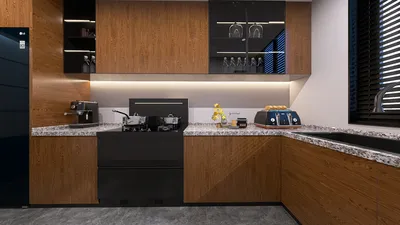
If your laundry area is adjacent to the kitchen, consider designing the entry as a cohesive transition space: matching cabinet fronts, extending the backsplash, or continuing flooring can visually unify the two areas. This not only enhances circulation but also makes moving laundry feel less cumbersome. For ideas that harmonize appliances and cabinetry, I frequently refer to inspirational galleries focused on kitchen layouts.
FAQ
Q1: What’s the minimum space required to accommodate a washer and dryer in an entryway? A: A stacked washer-dryer can fit in a space around 27" wide by 30" deep, but ensure you also allow for door clearance and service access. Always factor in a few extra inches for ventilation and future maintenance.
Q2: How can I prevent laundry odors from permeating the entry area? A: Good ventilation is key—installing an exhaust fan or using louvered cabinet doors can help. In addition, use moisture-absorbing sachets and promptly wash damp items to avoid stale odors.
Q3: Is it feasible to place a washer or dryer in a coat closet? A: Technically, yes, provided the closet has appropriate venting, drainage, and electrical supply, though you may need to upgrade utilities and enhance ventilation; always consult a licensed contractor before making alterations.
Q4: What type of flooring is best between an entry and laundry area? A: Choose durable, water-resistant flooring options such as porcelain tile, sealed concrete, or luxury vinyl plank for easier cleaning and moisture resistance. Avoid untreated hardwood unless it’s properly sealed.
Q5: How can I prevent the entry from resembling a utility room? A: Use cohesive designs (like matching cabinet fronts or consistent hardware), incorporate decorative baskets, and conceal clutter within drawers or closed bins. A small rug and artwork can instantly enhance the space’s warmth.
Q6: Is it permissible to stack a washer and dryer in a rental unit? A: Only if permitted by your lease and local regulations—stacking may require brackets and appropriate hookups. Always verify with your landlord and adhere to local building codes.
Q7: Are there safety standards for laundry areas adjacent to an entry? A: Yes, avoid placing appliances in ways that obstruct exit paths, and ensure electrical and plumbing installations comply with local codes; for safety standards, refer to guidelines from the U.S. Department of Energy (https://www.energy.gov).
Q8: How can I achieve an affordable setup for a compact laundry entry? A: Focus on high-impact changes such as paint, hardware, and storage baskets, and gradually introduce custom storage solutions. Consider opt for ready-to-assemble units and upgrade finishes when your budget allows.
Looking to transform your space? Homestyler is your go-to online home design platform! With its easy-to-use design tool, stunning 3D renderings, and a plethora of inspiring design projects and video tutorials, you can effortlessly create your dream home—no experience needed!
지금 무료로 디자인하세요
































