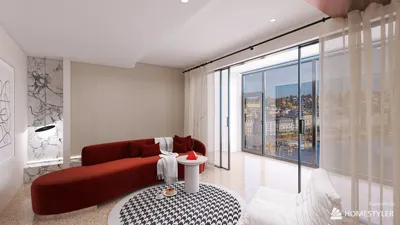


I once persuaded a client that rather than overhauling the ceiling, three charmingly mismatched lamps could make all the difference — her skepticism faded once the room radiated a boutique hotel ambiance. In compact spaces, creativity becomes essential: a single lamp can serve multiple purposes such as task lighting, enhancing mood, and providing a stylish touch. In this article, I will introduce five innovative lamp-based lighting ideas that I apply in small living rooms, all validated through real-world applications and straightforward to implement, especially with tools like Homestyler.
1. Combine a tall floor lamp with a table lamp for layered lighting
Tall floor lamps offer ambient lighting, while a nearby table lamp provides inviting task lighting, perfect for reading or working on your laptop. I employed this combination in a 25 square meter apartment: the floor lamp brightened dark corners, and the table lamp introduced warmth beside the sofa. The added benefit is flexibility, although one must be mindful of the scale to ensure the floor lamp doesn’t overwhelm lower ceilings.
save pin
2. Implement directional swing-arm lamps for versatile spaces
Swing-arm lamps allow you to direct light precisely where it’s needed — ideal for a sofa that serves as a workspace. In one of my projects, I substituted overhead lighting with two wall-mounted swing arms (one dedicated to reading, the other for video calls), visually expanding the space. While they require precise installation and consideration for wiring or cord management, the flexibility they offer makes it worthwhile.
save pin
3. Create visual interest by clustering small table lamps
Arranging two or three petite table lamps on shelves or a sideboard generates a layered glow and aesthetically pleasing arrangement rather than chaos. In a rented living room, I placed three miniature ceramic lamps at varying heights; the outcome was sculptural and ideal for tenants. It’s budget-friendly, but one should pay attention to the brightness of the bulbs to avoid inconsistent pockets of darkness.
save pin
4. Incorporate task lamps with multifunctional furniture
Attaching or situating slender task lamps on media units, consoles, or floating shelves provides targeted lighting without the need for more furniture. I frequently position a slim LED desk lamp near a console where users sort mail or charge devices; it keeps surfaces usable and tidy. However, it’s essential to choose low-glare lamps and to effectively manage cords to prevent a cluttered appearance.
save pin
5. Enhance with LED strip lights behind furniture
LED strip lights positioned behind a sofa or television create a soft halo effect, giving the illusion of a larger space. I installed warm-toned strips behind a low cabinet, making the wall appear set back — this simple tip delivers significant results. When using LED strips, consider the color temperature and adhesive quality to ensure longevity and harmony with other lamp tones.
save pin
Tips 1:
Smart selections: Opt for bulbs around 2700–3000K for inviting living rooms, mix dimmable lamps for nuanced control, and position lamps at approximately eye level when seated to reduce glare. For planning your layout and visualizing lamp placements, utilizing 3D floor planning tools can be helpful in testing arrangements before making purchases.
save pin
FAQ
Q: Which lamp types are ideal for small living rooms?
A: Combine ambient floor lamps, task-oriented table lamps, and discreet accent lighting. Layering multiple smaller sources is preferable to relying solely on a single overhead fixture for a more dynamic and flexible setup.
Q: How many lamps should I aim for in a compact living room?
A: Generally, 2–4 lamps are recommended based on different zones — including one ambient lamp, one task lamp, and optional accent pieces. Adjust according to the layout and activities of the room.
Q: What bulb color temperature is advised?
A: Warm white (2700–3000K) sets a cozy mood. It's best to maintain consistent color temperatures across lamps to prevent clashing light tones.
Q: Are LED bulbs a good option for table and floor lamps?
A: Absolutely — LEDs are energy-efficient, cool to the touch, and available in dimmable options. Opt for bulbs with a CRI rating of 90+ for accurate color rendering of textiles and finishes.
Q: How can I avoid glare from lamps?
A: Adjust lamp shades to diffuse light, keep light sources at or below eye level when seated, and choose shades that soften illumination instead of directing harsh beams.
Q: Can lamps fully take the place of ceiling lights?
A: In many compact living spaces, layered lamps can effectively substitute for overhead lighting, providing enhanced control and ambiance. Assess the requirements for tasks needing brighter, focused light, and supplement where necessary.
Q: Where can I visualize lamp placement in a layout?
A: Online planning tools allow you to experiment with lamp placements in both 2D and 3D settings, helping you avoid impulsive purchases. For instance, I frequently use Homestyler to visualize my living room lighting before I shop.
Q: Are there any design guidelines for living room lighting?
A: For lighting standards and recommendations, refer to the Illuminating Engineering Society (IES), which provides essential insights into the recommended illuminance for various living spaces (consult IES publications).
save pin

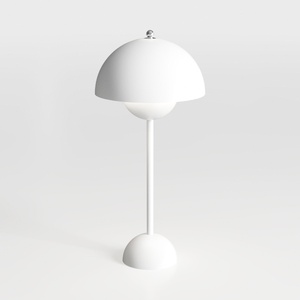

Homestyler is the ultimate online home design platform for anyone looking to create their dream space. With a user-friendly design tool, stunning 3D renderings, a variety of design projects, and informative DIY video tutorials, it empowers you to explore creativity and transform your home effortlessly.
Design Now for FREE
































