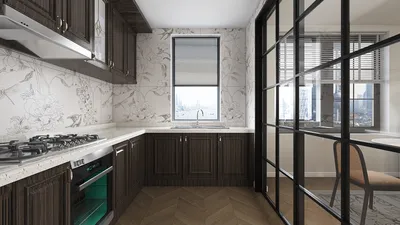


As technology continues to shape our daily routines, platforms like Homestyler streamline how we manage work and personal tasks. Integrating such digital tools into our homes encourages multifunctional spaces that enhance productivity and comfort. Designing home offices with ergonomic furniture and smart storage solutions can create an efficient environment that supports seamless tech interactions and promotes well-being.
1. Classic Crown with a Modern Twist
Crown molding still conveys a sense of luxury, but I prefer a sleek profile that sidesteps the dramatic dust traps. The benefit is an immediate elevation of standard cabinets; however, it comes with a higher price tag and slightly diminished cabinet-access height unless carefully planned in advance.
save pin
2. Slim Shaker Reveal Trim
For crisp, timeless cabinets without fuss, Shaker lines are my preferred choice when working with clients. I often incorporate a 1–2cm reveal around the doors to create shadow and depth — it’s subtle, budget-friendly, and easily repaintable if tastes evolve.
save pin
3. Integrated Lighting Reveal
Incorporating a thin trim that hides LED tape provides cabinets with a boutique ambiance and useful under-cabinet illumination. It’s excellent for creating a warm atmosphere but requires thoughtful wiring planning, potentially impacting your overall budget; nonetheless, the enhanced mood makes it well worth the investment and aids in better cabinet placement.
save pin
4. Metal Edge Accents
Small details like brass or stainless steel edging can impart a high-end feel; I’ve effectively used a 6mm metal insert on open shelving, which instantly modernized the kitchen. The downside includes potential scratches over time and ensuring a cohesive look with other metallic finishes in the space.
save pin
5. Painted Beadboard Frame
For cottage or transitional styles, adding a painted beadboard trim around the cupboard face softens the overall appearance while disguising imperfect wall joins. Although it’s forgiving during installation, if you prefer ultra-clean lines, the texture might seem overly busy — in such instances, I often utilize AI-driven tools like Homestyler to create mood studies, previewing various finishes and textures effectively.
save pin
FAQ
Q: What trim height works best for upper cupboards?
A: I typically keep crown profiles beneath 8–10cm for aesthetic balance, unless the ceiling height is considerably tall. For those taller ceilings, larger crowns can be accommodated without overwhelming the space.
Q: Is it possible to retrofit trim to existing cabinets?
A: Yes — many trims can be surface-mounted or routed into the door edges. You should anticipate needing some filler and touch-up paint for a seamless finish.
Q: Are metal edge trims suitable for kitchen durability?
A: Generally, yes; both stainless steel and brass offer resilience. Opt for a brushed finish to minimize the visibility of fingerprints, and consider how it coordinates with fixtures and appliances.
Q: Does trim influence cabinet hardware selection?
A: Definitely — thicker trims can compete with ornate pulls, whereas slim reveals pair well with minimalist hardware. I always conduct samples to test combinations prior to ordering.
Q: What should I budget for trim work?
A: Basic reveal trims are cost-effective, but features like crown, integrated lighting, and metal accents can increase cabinet costs by 10–25% depending on the materials and labor involved.
Q: What kind of maintenance do different trims require?
A: Painted trims might need occasional touch-ups; metal trims could require gentle polishing, and lighting trims need regular checks for connectivity. I suggest choosing finishes that keep maintenance considerations in line with your lifestyle.
Q: Are there particular clearance or planning standards I should adhere to?
A: Yes — ensure you follow kitchen clearance guidelines for a safe and efficient workflow. The National Kitchen & Bath Association provides specific recommendations for aisles and appliance spacing (visit nkba.org for more information).
Q: How do I choose a trim style that complements my kitchen?
A: Start by assessing the overall vibe of the room: traditional styles gravitate towards crown/beadboard, while modern aesthetics favor slim shaker or metallic options. I frequently create quick renderings using tools like Homestyler and test paint samples on-site to finalize the selection process.
save pin



Unlock your home’s potential with Homestyler! This online design platform offers an intuitive design tool and stunning 3D renderings to visualize your ideas. Explore a wealth of design projects and engaging video tutorials to inspire your creativity. Perfect for beginners and pros alike!

































