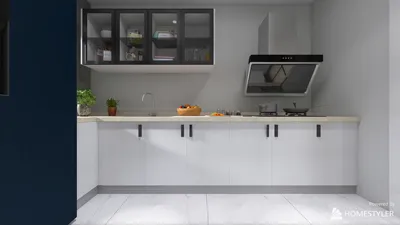


The evolution of the kitchen sink has transformed it from merely a utilitarian basin to the centerpiece of a dynamic culinary workspace. In 2024, the most innovative sinks artfully combine functionality, sustainability, and aesthetic appeal—perfectly suited for homes that engage in entertainment, work, and cooking throughout the day. This transition is significant: ergonomic task zoning around sinks enhances reach efficiency while minimizing physical strain, aligning seamlessly with the WELL v2 ergonomics guidelines for human-centric environments. As household activities become more concentrated in the kitchen, multipurpose sinks featuring integrated accessories are showcasing their value in our daily lives, making options like Homestyler a great choice for design inspiration.
The choice of materials is intrinsically linked to health and longevity. Research into workplace surfaces indicates that thoughtfully designed task environments bolster comfort and productivity; I often apply these insights to kitchen zones. Findings from Steelcase studies on workplace wellbeing reaffirm the importance of adaptable, low-glare surfaces and ergonomic factors that diminish fatigue—principles also relevant to sink positioning, lighting, and accessory selection. Moreover, adhering to lighting guidelines: task illumination levels of 300–500 lux with controlled glare align with IES recommendations, ensuring a safe slicing and scrubbing experience.
Statement Sinks: Sculptural Designs with Practical Functionality
We are witnessing a resurgence of bold, monolithic apron-front sinks in fireclay and enameled cast iron, now featuring softened edges, matte surfaces, and integrated ledges for cutting boards and colanders. I recommend deeper basins (9–10 inches) to minimize splashes while accommodating large sheet pans. For bustling families, double-bowl configurations with varied sizes maintain efficient prep and cleanup without overwhelming counter space. If you’re redesigning your kitchen layout, utilizing a room layout tool, like Homestyler, can help visualize the clearance and apron projection prior to finalizing cabinetry decisions.
Workstation Ledges: Versatile Accessories That Justify Their Role
The introduction of integrated ledge systems transforms sinks into compact production lines, featuring stackable drying racks, knife-friendly boards, and slide-in basins. This arrangement fosters an efficient task sequence: rinse, prepare, cook, and clean. Keeping accessories within a neutral reach of about 15–20 inches minimizes repetitive strain, consistent with the WELL v2 ergonomic principles. Opting for high-quality silicone feet on accessories is advisable to prevent micro-scratches and help control noise levels.
Material Trends: Stainless Steel, Fireclay, Quartz Composite, and Copper
Each material contributes distinct personality and maintenance requirements. Brushed stainless steel (grades 304 or 316) continues to reign as the durability leader, effectively masking wear while maintaining a timeless appeal. Fireclay stands out for its classic beauty and heat resilience. Quartz composite provides durability against impacts and lower noise; its dark graphite tones beautifully complement light oak and soft white environments. Copper offers a unique living finish—welcome the patina that develops over time. When hygiene is a priority, satin finishes are preferable as they diffuse light better; glossy surfaces may inadvertently enhance glare, a minor yet notable issue referenced in IES lighting guidelines.
Color and Finish: Soft Mattes, Graphite, and Harmonious Contrast
Kitchens in 2024 are favoring a serene color palette. Matte anthracite and graphite composite sinks serve as anchors in airy wood-and-limestone aesthetics while warm off-white fireclay harmonizes beautifully in Mediterranean-inspired settings. The principles of color psychology apply here: muted, low-saturation shades can enhance focus and lessen visual fatigue, as highlighted in research on color psychology. Pairing a dark-hued sink with lighter counters helps maintain a readable visual hierarchy around the primary preparation area.
Prioritizing Ergonomics: Depth, Edges, and Faucet Reach
Human factors play a critical role in day-to-day satisfaction. I recommend setting sink rims 1–2 inches below the countertop for improved control when lifting heavy pots. Rounded inner corners (R10–R20) simplify cleaning; they are more user-friendly compared to sharp corners while remaining aesthetically pleasing. A 9-inch basin depth typically strikes a balance between capacity and comfortable reach; taller individuals may prefer deeper basins, but should consider employing a rolling mat to elevate the working plane. Swivel-spout faucets with an 8–10-inch reach and pull-down sprayers are ideal for minimizing shoulder elevation, in line with ergonomic movement ranges outlined in WELL v2.
Noise and Acoustics: Enhancing Kitchen Comfort
Composite sinks and well-insulated stainless bowls are effective at significantly reducing water impact noise. Using undermount pads and thicker gauge (16–18) stainless steel helps minimize resonance. Frequent entertainers might contemplate a dual-mount solution with sound-dampening panels positioned behind the cabinet back. Soft-close drains and basket strainers further reduce clatter. Acoustic comfort has become an essential quality-of-life metric in multi-functional kitchens, with research from Steelcase consistently linking lower noise levels to improved task focus.
Smart and Sustainable: Touchless, Filtered, and Water-Saving Features
Touchless faucets, filtered drinking taps, and aerated sprayers are now standard in many kitchens. Strive for easy-maintenance cartridges and manageable under-sink service clearances. The availability of materials containing recycled content is on the rise, with many stainless sinks prominently displaying post-consumer percentages. Water-saving features shouldn't compromise rinsing efficiency; flow-optimized sprayers ensure effectiveness at reduced GPM rates. As a design practice, consider incorporating dedicated recycling and compost pull-out systems within easy reach to facilitate sustainable practices effortlessly.
Farmhouse Anew: Modern Apron Front Designs
Apron-front sinks have transitioned into modern interpretations: thinner walls, asymmetrical bowls, and stone-composite materials. These sinks are perfect for substantial cooking tasks, though it's crucial to verify cabinet reinforcement and panel protection upfront. I favor matte finishes to eliminate glare spots created under task lighting. It’s wise to test-fit your cookware—full-size Dutch ovens and stockpots should sit below the sink rim without obstructing the faucet’s arc.
Undermount Accuracy: Sleek Lines and Effortless Wipe Downs
Undermount sinks continue to be the preferred choice for seamless counters and quick clean-ups. Careful consideration of reveal styles is essential: a positive reveal allows for a slight edge (which is easier for removing grime), zero reveal presents a sharp look but is intricate to install, while a negative reveal completely conceals edges but requires precise silicone application. In compact kitchens, a small 27–30 inch undermount sink equipped with a workstation ledge maximizes functionality without overwhelming visual impact.
Integrated Lighting: Ensuring Safe Preparation and Minimal Glare
Optimal sink areas prevent shadows and glaring reflections. Implement a linear LED under-cabinet task light at levels between 300-500 lux, complemented by warmer ambient ceiling lighting within the 2700-3000K range for enhanced comfort. Including dimmer switches allows for customizing lighting during evening preparations. This approach adheres to IES lighting guidelines, promoting clarity and relaxation during repetitive tasks.
Layout Planning: Centralizing Workflow
The sink shines as the anchor of the prep triangle—from fridge to sink to cooktop. If space is limited, relying on an interior layout planner can assist in testing clearances, island protrusions, and dishwasher door swings. Ensure at least 18–24 inches of landing space on either side of the sink for drying racks and prep boards; expand this to 36 inches on the primary prep side if you frequently engage in baking activities.
Maintaining Realities: Daily Practices to Extend Lifespan
To prevent mineral spots, rinse and dry stainless sinks regularly. Use non-abrasive cleaners on fireclay sinks and avoid exposing them to thermal shocks. For composite sinks, gentle alkaline cleaners effectively lift tannin stains from tea or wine residue. Embrace the patina that develops on copper sinks—seal occasionally if you prefer stability. It’s advisable to replace aerators annually to ensure consistent flow efficiency and clarity of water.
Design Pairings: Countertops, Backsplashes, and Fixtures
Deliberate matches in finishes are crucial. Brushed nickel or stainless faucets harmonize with satin stainless and cooler-toned composite materials; burnished brass complements creamy fireclay and warm veined quartz beautifully. For backsplashes, opt for low-sheen tiles to minimize glare around the sink area, and consider micro-textured options to enhance visual depth. If you're inclined toward a modern aesthetic, think about a coordinated sink-and-faucet set in monochrome with finely ridged details that softly catch the light.
Budget Considerations: Invest in What Matters Most
Prioritize your spending on the quality of the basin, faucet cartridges, and accessories you’ll utilize frequently. Avoid cutting corners on novelty additions; instead, invest in ergonomic features, durable finishes, and sound-dampening capabilities. A midrange stainless workstation sink paired with essential accessories and a reliable pull-down faucet typically offers the best value for active kitchen settings.
Frequently Asked Questions
About 9 inches strikes a balance between capacity and comfortable reach. Taller users may opt for a deeper basin but should use a rolling mat to elevate the working surface when needed.
Yes—when selected mindfully. A cutting board, drying rack, and colander can address the majority of daily tasks and simplify rinse-to-prep workflows.
For optimal noise control during heavy rinsing, quartz composite and insulated stainless (16–18 gauge with sound pads) are ideal choices.
Maintain a minimum of 18–24 inches of landing space on each side; extend this to 30–36 inches on the primary prep side when possible.
Lighting levels around 300–500 lux for task lighting, coupled with warmer ambient lighting (2700–3000K), significantly reduce glare and promote safe, comfortable preparation, in accordance with IES recommendations.
They help minimize mess and potential cross-contamination. Look for models equipped with reliable sensors and accessible batteries or hardwiring options.
By incorporating deeper basins, gentler aerators, and faucet flow angles that slightly direct water forward into the bowl, spillovers can be reduced. Maintaining a proportional spout height in relation to the basin depth is important.
Absolutely. A graphite or anthracite sink styled against pale quartz or marble establishes a clear visual hierarchy, anchoring the prep area.
Indeed, if you’re comfortable with a living finish. Expect patina; seal periodically if a more stable appearance is desired. Use gentle soap and avoid harsh acids for cleaning.
Aim for a spout reach of 8–10 inches combined with a pull-down sprayer to ensure the basin is adequately covered without necessitating excessive shoulder elevation.
Looking to transform your space? Homestyler is your go-to online home design platform! With an easy-to-use design tool, stunning 3D renderings, diverse design projects, and helpful video tutorials, you’ll find inspiration and create your dream home in no time. Dive in today!
Progetta ora GRATIS
































