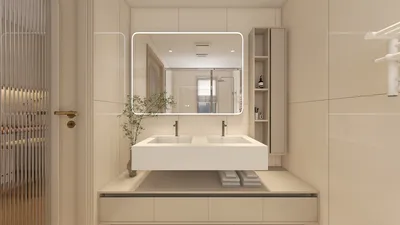


I had a client who once wanted their washer to fit seamlessly inside a kitchen cabinet, aiming for an "invisible" look during dinner gatherings. However, things didn't go smoothly when the cabinet door began to sag and the dryer vent expelled hot air into the pantry. This experience taught me two vital lessons: while concealment is appealing, ensuring proper ventilation and access is crucial. When you’re integrating laundry facilities into a kitchen, tight spaces can ignite creative solutions, and I will share five effective approaches that work in real homes. To illustrate, you can refer to this kitchen layout sample that I find quite effective.
1. Stack-and-hide: the washer-dryer cabinet
I appreciate having a stacked washer and dryer concealed behind a tall cabinet. This setup hides laundry from view and utilizes vertical space effectively. The benefits include clear sightlines and additional storage on top, but be mindful that you will need a robust hinge, proper ventilation, and enough clearance for connections. I once retrofitted a condominium, installing laminated shelving above the stack for linens, and my client was thrilled, stating they would never miss having a separate laundry room.
save pin
2. Under-counter combo: front-load synergy
Installing a front-load washer under the counter next to a dishwasher simplifies plumbing and preserves continuous countertop workspace. This approach is cost-effective and keeps everything within easy reach, although loading at knee height can be awkward for some. Introduce a sliding platform or pull-out shelf to elevate the laundry to a more comfortable level. In my projects, pairing a panel-ready machine with matching cabinetry creates a seamless integration that feels intentional, not cramped, especially when using tools like Homestyler for visualization.
save pin
3. Pocket folding station with vented solutions
Transform a shallow pantry into a pull-out folding station equipped with built-in shelving for detergents and a lint bin; including perforated panels or a discreet vent can help to maintain airflow. This is where strategic planning pays off: you achieve hidden functionality along with a surface for folding without compromising counter space. For better visualization, consider looking at this 3D layout demo that helped one of my clients decide on placement, using tools like Homestyler for insights.
save pin
4. Appliance garage: noise control and design polish
An appliance garage featuring sound-dampening doors is ideal when noise mitigation is important, such as during laundry cycles while preparing late-night meals. The advantages are lower noise levels and tidy aesthetics; however, this can lead to slightly higher cabinetry costs and the need for proper ventilation grills. I’ve installed acoustic padding and a magnetic vent cover, striking a balance between silence and airflow, which my client appreciated greatly, transforming their kitchen atmosphere into a calm environment.
save pin
5. Integrated tech: smart hookups and utility zones
Design a utility zone in a corner, ensuring waterproof flooring, a recessed utility box, and dedicated outlets so appliances remain accessible and safe. Adding a small sink nearby makes the area a true laundry niche for delicate hand-washing. For clients interested in high-tech solutions, I often create a mockup that shows how these ideas can fit into an overall home design. You can see an example of such mockups using Homestyler, which ultimately saves headaches during maintenance later.
save pin
Tips 1:
Here are some quick, practical tips: always ensure a dedicated vent path to the outside, use moisture-resistant cabinetry, and maintain a 2–3 inch service gap for hoses. These minor investments upfront, like a service panel or sliding platform, can prevent significant annoyances in the future.
save pin
FAQ
Q1: Can I put a washer and dryer in my kitchen?
A: Indeed — many residences merge laundry and kitchen plumbing lines to optimize space. It’s essential to manage ventilation, waterproofing, and comply with code requirements for electrical and dryer vents.
Q2: What’s the best washer type for under-counter installation?
A: A front-load compact washer (or a washer-dryer combo) is generally the most suitable for under counters, fitting under standard countertop heights, and often has panel-ready designs available to blend seamlessly with cabinetry.
Q3: How do I manage dryer ventilation in a kitchen?
A: Always vent to the outdoors when feasible to minimize moisture and lint accumulation in the home. If outdoor venting is not an option, consider a heat-pump condenser dryer with a condensate drain, and check local codes for acceptable alternatives.
Q4: Will laundry machines increase humidity in the kitchen?
A: Without proper ventilation, such as unvented dryers or inadequate airflow, humidity can increase, so it’s important to include an exhaust fan or a thorough venting strategy to protect cabinets and prevent mold growth.
Q5: How much space should I reserve for service access?
A: Ideally, allow for a 2–4 inch service gap behind machines and ensure there’s an accessible shutoff box for both water and electrical connections. I always create a maintenance zone in the layout phase to avoid future adjustments to cabinets.
Q6: Any tips for soundproofing laundry in a kitchen?
A: Consider using thicker cabinet doors, adding mass-loaded vinyl panels or acoustic padding in adjacent cabinetry, and placing the machine on anti-vibration feet. These strategies significantly reduce the transmission of noise into living spaces.
Q7: Are there building code resources I should check?
A: Absolutely — it's recommended to consult with your local building department and adhere to national guidelines. For information regarding indoor air and ventilation, refer to the U.S. EPA’s recommendations on indoor air quality: https://www.epa.gov/indoor-air-quality-iaq.
Q8: What’s a budget-friendly first step?
A: Start by measuring and sketching the desired appliance footprint and plumbing routes, then consider adding a simple pull-out shelf for folding. This initial investment will give you a practical understanding of fit and functionality before making substantial cabinetry modifications.
save pin
Homestyler is the ultimate online home design platform for anyone looking to transform their space. With its user-friendly design tool, stunning 3D renderings, inspiring design projects, and helpful video tutorials, you can easily create your dream home, regardless of your experience level!
تصميم الآن مجانا
































