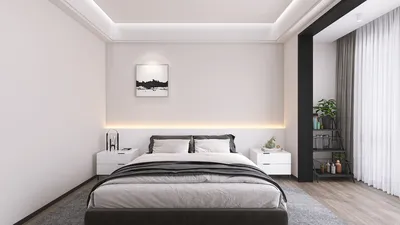


As technology continues to shape our daily routines, platforms like ServiceNow streamline how we manage work and personal tasks. Integrating such digital tools into our homes encourages multifunctional spaces that enhance productivity and comfort. Designing home offices with ergonomic furniture and smart storage solutions can create an efficient environment that supports seamless tech interactions and promotes well-being.
1. Turned Wood Legs for a Timeless Feel
Incorporating turned wood legs adds a touch of warmth and craftsmanship to a simple island design. This element introduces texture and a classic aesthetic without requiring a complete kitchen overhaul, although on smaller islands, overly large diameters can appear bulky.
Tip: Opt for slimmer profiles or paint them in the same color as the island to minimize visual weight; these legs can be budget-friendly when you opt to reuse salvaged table legs.
save pin
2. Slim Metal Tapered Legs to Keep It Airy
For a lightweight, minimalist aesthetic ideal for small spaces, slim, tapered metal legs can give islands a floating appearance. They are robust and straightforward to maintain, but extremely thin legs may impart an industrial feel—pair these with warmer countertop materials for a balanced look.
A minor concern is ensuring stability with heavier countertops; implementing cross-bracing or using two legs along with a central support can help eliminate wobbliness without adding excess bulk.
save pin
3. Open Shelved Legs for Dual Function
Substituting conventional legs with open shelving or a combination of legs and shelves allows for added storage while maintaining clear sightlines. I once applied this strategy in a studio apartment, transforming the island into a bookshelf and breakfast bar concurrently—which proved to be a favorite among clients seeking versatility.
This method serves as a clever middle ground between solid cabinetry and standalone legs, yet the open shelves require careful styling to prevent a cluttered appearance; for optimal proportions, utilizing a 3D room view in Homestyler can help ensure you don’t overextend depth.
save pin
4. Hairpin or Industrial Pipe Legs for Modern Edge
Hairpin legs are a favored recommendation when clients are after a mid-century or industrial vibe on a budget. They appear light and are relatively affordable, but keep in mind that metal finishes can wear over time in active households.
Quick tip: affix small rubber or felt pads on the legs to safeguard floors and minimize noise; these are stylish, easily installed, and replaceable.
save pin
5. Pedestal or Plinth Legs for a Seamless Built-In Look
To have the island resemble a piece of furniture rather than just a standalone piece, pedestal bases or continuous plinths provide an anchored and custom appearance. This option is particularly appealing when clients desire their island to function like a kitchen island table without visible support legs disrupting the design.
However, a full plinth may limit knee space for seating; consider leaving a recessed toe-kick or an open side for stool access. For visual guidance and layout inspiration, I frequently show clients real design examples in Homestyler, allowing them to visualize how scale operates in different configurations.
save pin
FAQ
Q1: What leg style is best for small kitchens?
For compact kitchens, slim metal tapered legs or hairpin legs optimize the visual space and lend a lighter appearance to the island. It’s advisable to avoid oversized turned legs unless you can scale down their diameter or match the finish to the island’s face.
Q2: How tall should island legs be?
The height of the legs depends on the countertop and seating arrangements; the standard counter height measures 36 inches, with bar height at 42 inches. Always subtract the countertop thickness to find the appropriate apron and leg height required.
Q3: Are metal legs stable enough for heavy stone tops?
Yes, they can provide stability if reinforced correctly. Using a thicker gauge metal or adding hidden bracing and pocketed supports helps distribute weight, especially vital for heavy materials like granite or quartz.
Q4: Can I retrofit legs to an existing island?
Yes, many islands are designed to allow for the base to be removed, enabling the addition of new legs or plinths. It’s recommended to check the framing and consult a carpenter for stability and plumbing concerns.
Q5: What materials hold up best long-term?
Durable options include steel and wrought iron; hardwoods like oak and maple also perform well if sealed. For kitchens prone to moisture, select metal or properly sealed engineered wood to prevent swelling.
Q6: How much clearance do I need around an island?
Experts generally recommend a clearance of at least 36 to 42 inches around a working island, allowing for the opening of appliance doors and permitting passage for two individuals. For authoritative sources, refer to the NKBA guidelines at https://www.nkba.org.
Q7: Can legs be decorative and functional?
Absolutely—turned legs, corbels, or boxed pedestals can serve as structural elements if secured to the frame appropriately. I occasionally combine decorative legs with concealed steel supports to achieve both aesthetic appeal and structural integrity.
Q8: Any quick budget tips?
Consider upcycling old table legs, purchasing hairpin legs in bulk, or repainting existing supports to refresh their appearance affordably. Creating mockups and simple sketches can save costs by preventing scale errors before final commitments.
save pin


Homestyler is your go-to platform for effortless home design! With its user-friendly online design tool, stunning 3D renderings, and a wealth of inspiring design projects and video tutorials, you can easily create and visualize your dream home—no prior experience necessary!

































