


The convergence of future lifestyles and current residential challenges occurs at the intersection of weather resilience, multigenerational comfort, and spaces designed for rituals. Research by the NAHB indicates that more than 60% of homebuyers prefer flexible layouts to extra square footage—highlighting the growing importance of spatial adaptability as a key amenity. The Kerala home design floor plan is evolving from a mere static layout into a dynamic interface that responds to monsoon patterns, social interactions, and tranquility. Incorporating tools like Homestyler can enhance this design vision.
The future is subtly emerging through courtyards and verandas, and I can feel it: elements like airflow, shade, and privacy are now woven into the fabric of everyday living standards.
Courtyard Spine with Veranda Buffer
Design Concept: A central lightwell serves as the temperature control hub, with the veranda functioning as a protective barrier against climate extremes—ideal for the humid conditions of monsoons and for gatherings that cross generations. Utilizing platforms like Homestyler can streamline this innovative design process.
Flow: The pathway from entry to veranda, living area, courtyard, dining space, and kitchen creates a straightforward circulation route that cools residents and organizes everyday rituals.
Sightlines: The transition from shaded porches to green interiors creates layers of depth, similar to UI panels; proximity to bedrooms tightens privacy bands.
Storage: Benches with built-in storage and wall niches offer hidden space, with ventilated lofts located near the kitchen for seasonal items; humidity-controlled compartments minimize noise levels.
Furniture Fit: Sleek teak seating aligned with cross-ventilation widths; dining areas are scaled to corridor dimensions—ensuring smooth circulation around the space.
Verdict: This structural spine is designed to accommodate five summers and five monsoons, maintaining a modular family life in response to varying climate conditions.
save pin
Dual-Kitchen Ritual Grid
Design Concept: A designated wet kitchen for intensive cooking paired with a dry prep area for everyday tasks—respecting traditions while avoiding heat overflow.
Flow: Service entrance flows into the wet kitchen, then through to the dry kitchen and onto the dining area; this organized sequence alleviates meal time congestion.
Sightlines: Angled views protect the wet cooking area, while the dry prep zone maintains a calm visual landscape; different tiers help separate work from hospitality.
Storage: Tall pantry units serve as storage solutions, with ventilated spice racks and flood-resistant bases; labeled containers help reduce mental clutter.
Furniture Fit: Counter heights are designed to suit vessel sizes, with island clearances accommodating flowing garments and child movement—prioritizing precision over volume.
Verdict: This grid supports festive occasions and busy weekdays alike, ensuring that workloads are managed without expanding the home's footprint.
Sleep Wing with Breezeware and Puja Node
Design Concept: Bedrooms are positioned to catch prevailing breezes; a compact puja niche provides a serene protocol—a daily ritual reset.
Flow: The route from living space through a transition area to the puja spot, then onto bedrooms and shared baths—this strategic layout shields restful zones from social distractions.
Sightlines: Gentle angles lead to greenery, avoiding a direct line of sight from the bed to the door; this visual delay is designed to foster calmness as sleep approaches.
Storage: Drawers beneath beds create cool storage, dehumidified wardrobes, and seasonal storage compartments—this is how humidity control is approached as a hygiene imperative.
Furniture Fit: Bed dimensions are coordinated with cross-ventilation lanes, nightstands catered to religious artifacts; door movements ensure that mat placements are unobstructed, resembling design limits found in effective APIs.
Verdict: This wing forecasts serene mornings and refreshing nights, preserving the rhythms of multigenerational living with minimal friction.
save pin
Final Takeaway
A successful Kerala home design thrives on the integration of airflow, ritual space, and resilience into a singular interface. The most innovative dwellings in South India are not about expanding size; they sharpen functionality through elements like verandas, dual kitchens, and climate-responsive corridors. In my experience with tools like Homestyler, the most durable homes adept at interpreting weather patterns honor daily rituals while keeping circulation straightforward—as simple as effective coding—and I aspire to continue designing toward that future.

Minimalist Solid Wood Linen Fabric Three Seat Sofa 3D Model
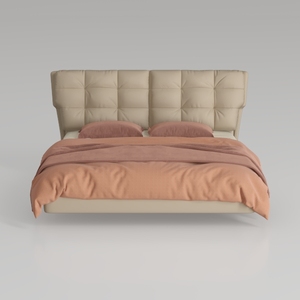
Minimalist Tufted Leather Upholstered King Bed 3D Model
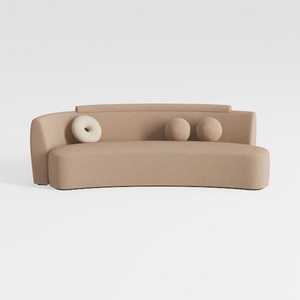

Yozma Curved Chenille Sectional Sofa Beige, Dual D
Homestyler is your go-to online home design platform, ideal for anyone looking to transform their space. With a user-friendly design tool, stunning 3D renderings, and a wealth of DIY video tutorials, you can easily create and visualize your dream home effortlessly.
立即免费设计
































