


The future of living is increasingly challenging established norms—power backup systems, water zoning, and accessibility for the elderly—and this highlights the necessity for ground floors to function like harmonious operating systems. The American Institute of Architects (AIA) emphasizes the rising demand for adaptable spaces and versatile infrastructures, a pattern that reflects in my clients' requests for Indian house building plans specifically designed for ground floors featuring 2 bedrooms. I approach design as if the lifestyles of tomorrow have already been integrated within today’s structures: utilizing thermal principles, micro-grid designs, and leveraging daylight as a vital resource. The toolkit for spatial reasoning is essential.
Courtyard Spine + Dual Bedroom Edge
Design Logic: The central courtyard serves as a cooling nucleus, while the two bedrooms establish thermal boundaries to ensure privacy and maintain micro-climate stability.
Flow: The circulation path moves seamlessly from entry to living space, through the courtyard, into the dining area and kitchen, and finally to the bedrooms; it creates an uninterrupted loop ideal for both elders and children, functioning like a low-latency network.
Sightlines: The sequence from door to courtyard to sky creates a picturesque view; living areas observe greenery, kitchens benefit from natural light, and bedrooms receive brightness while maintaining privacy.
Storage: Features include perimeter wardrobes and a utility wall adjacent to the courtyard; storage is organized based on daily use rather than just volume.
Furniture Fit: Sofas measure 900–950 mm in depth, while dining tables stand at 750 mm in height; beds are oriented according to cross-ventilation patterns rather than merely following walls.
Verdict: This layout is designed to withstand summer heat and accommodate family gatherings; it will remain a breathable and adaptable space for the next five years.
save pin
Front Veranda Buffer + Rear Service Lane
Design Logic: The veranda acts as both a thermal and social barrier, while the service lane behind the kitchen delineates clean and dirty workflows as distinctly as parallel processes.
Flow: The layout flows from the street to the veranda, then through the living room and hall to the bedrooms; the kitchen leads to the rear lane for utilities, ensuring that guests and chores never interfere.
Sightlines: The filtered street view from the veranda and the controlled angles leading to bedrooms create layers of privacy reminiscent of user interface tabs.
Storage: Incorporating toe-kick drawers, a tall pantry, and a bench in the veranda with hidden storage increases capacity while minimizing visual clutter.
Furniture Fit: A compact sectional fits within a bay of 3000–3200 mm; queen beds are designed for dimensions of 1600–1700 mm, with at least 750 mm of clearance on two sides.
Verdict: This plan is resolved by its buffering features, adequately absorbing the demands of festivals, deliveries, and the work-from-home dynamic; even five years later, it retains a sense of tranquility amid traffic.
save pin
Diagonal Light Axis + Wet Core Cluster
Design Logic: A diagonal axis of natural light connects the living and dining spaces, while the toilets and utility functions form a wet core for efficient maintenance.
Flow: The route moves from entry to living along the light axis, then to dining and kitchen, leading through the wet core to the bedrooms; this minimizes latency, facilitating cleaning and care tasks.
Sightlines: The design allows for angled views that provide depth while maintaining discretion; door placements fine-tune the visual hierarchy similar to a dashboard interface.
Storage: Features include a linen tower near the core, overhead storage along corridors, and niches at the head of beds, with storage organized around weekly or monthly cycles.
Furniture Fit: A media wall measures between 2400–2700 mm, appropriately sized dining spaces accommodate 4–6 people within a 2100 mm radius; culturally adaptable puja niches are seamlessly integrated into the overall design.
Verdict: This plan functions like resilient software: service elements are centralized while light is evenly spread; it promises longevity and adaptability to changing routines.
save pin
Final Takeaway
Indian house building plans for ground floors with two bedrooms should operate as cohesive interfaces, integrating climate responsiveness, cultural elements, and maintenance considerations into a comprehensive design. The optimal two-bedroom configurations I create emphasize flow, diagonal light paths, and storage solutions that ensure daily living remains efficient and serene. My projects demonstrate that the homes of the future will not necessarily be larger but will emphasize intentional design; subtle spatial choices can significantly transform how people experience their living environments, especially when utilizing tools like Homestyler for visualization.

TREATLIFE HOME Solid Wood Computer Desk with Drawe
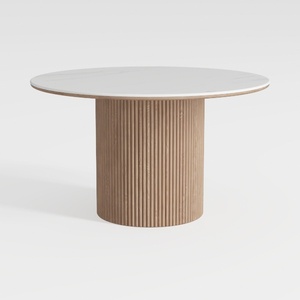
Minimalist Fluted Solid Wood Marble Top Round Dining Table 3D Model


Merax Twin Metal Loft Bed with 2 Shelves and one D
Homestyler is your go-to online home design platform, perfect for both novices and seasoned designers. With its user-friendly design tool, stunning 3D renderings, and an abundance of DIY tutorials, you can easily transform your interior ideas into reality. Start creating your dream space today!
立即免费设计
































