

With over ten years of experience in home design, I've observed a significant trend towards functional minimalism complemented by distinctive personality accents. Instead of viewing an empty wall in your living room as wasted space, consider it a blank canvas. This concept is especially vital in smaller spaces, where creativity can flourish. In this piece, I will present 10 innovative ideas for empty living room walls that I have personally implemented or suggested to my clients, all backed by my design expertise and reliable references.
Gallery Wall Featuring Personal Photos
My Experience: I once assisted a couple in transforming a bare corner into a narrative-filled wall. Through a combination of unique frames and candid photographs, the space immediately exuded warmth.
Advantages: It establishes a personalized focal point and allows for easy updates with new memories. Incorporating a gallery wall into a small living room enhances visual interest without overwhelming the area.
Drawbacks: If the frames or themes clash, it can appear cluttered. Maintaining multiple frames can also be time-consuming.
Suggestion: Arrange your frames on the floor initially to perfect the layout before you start hanging them.
Bold Statement Art
My Experience: Using oversized artwork can radically enhance a plain wall. In a loft project I worked on, a single abstract piece unified the entire color scheme beautifully.
Advantages: It provides a bold visual impact, making it perfect for minimalist interiors seeking a strong focal point. According to Architectural Digest, large art pieces can also influence the perceived size of a room.
Drawbacks: These pieces can be quite costly, and it’s essential to be certain of placement prior to making a purchase.
Suggestion: For more affordable options, consider supporting local artists or creating your own large canvas.
Floating Shelves as Decorative Spaces
My Experience: I installed staggered floating shelves for a client to showcase their travel mementos, instantly adding depth to their room.
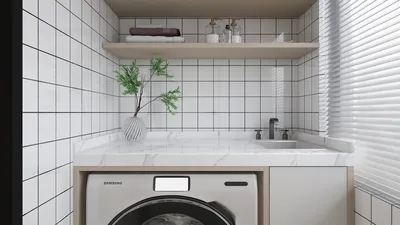
Advantages: They provide both storage and stylistic opportunities, perfect for displaying books, plants, or decorative ceramics. Floating shelves are excellent for small living rooms because they keep the floor area clear.
Drawbacks: They require careful styling to prevent visual clutter and need regular cleaning.
From my portfolio, one standout solution was blending extensive floating shelf arrangements with additional wall decor, resulting in a harmonious appearance.
Accent Paint or Wallpaper
My Experience: A feature wall adorned with deep green paint added a sophisticated vibe to a small apartment I designed last year.
Advantages: It introduces depth and personality; wallpaper patterns can conceal wall flaws. Accent walls also visually designate areas within an open-plan living space.
Drawbacks: They aren’t as flexible—changing colors or patterns can involve a substantial time investment.
Suggestion: Opt for peel-and-stick wallpaper for greater freedom to change styles without excessive effort.
Wall-Mounted Lighting
My Experience: In a narrow living room, wall sconces created additional table space and provided a soothing glow during evening hours.
Advantages: These fixtures are both functional and decorative, ideal for compact spaces where every inch counts. Adjustable sconces help set varied lighting moods.
Drawbacks: Installation may require electrical work unless you select plug-in models, which may restrict placement options.
Cost note: The average price for plug-in sconces ranges from $50 to $100, while hardwired options can fluctuate significantly.
Textile Art or Wall Hangings
My Experience: A macrame wall hanging worked wonders in a bohemian-style apartment, offering texture without overcrowding the space.
Advantages: These pieces add warmth and tactile interest, are lightweight, and can be easily swapped out.
Drawbacks: Fabric decorations may gather dust, and stylistic trends may shift over time.
We once paired a woven wall hanging with smart furniture arrangements to achieve a beautifully coordinated environment.
Custom Built-in Cabinetry
My Experience: Custom-built cabinetry perfectly filled an awkward nook for a client, providing both accessible display and concealed storage solutions.
Advantages: They maximize space efficiency and can be tailored to individual needs, creating an upscale, cohesive appearance.
Drawbacks: The initial investment can be high, and they are not easily moveable if preferences change.
Suggestion: If custom options are outside your budget, modular systems can create a built-in aesthetic.
Vertical Garden or Green Wall
My Experience: Adding plants to the wall transformed a dim corner into a vibrant focal point.
Advantages: They improve air quality and bring in a splash of color; biophilic design, as noted by the Journal of Environmental Psychology, enhances well-being.
Drawbacks: Maintenance is required, and they aren't ideal for homes lacking good natural lighting.
Suggestion: Incorporate a mix of live and high-quality faux plants if upkeep poses a concern.
Mirrored Wall Panels
My Experience: In a small apartment, mirrored panels amplified natural light and gave the illusion of more space.
Advantages: They are perfect for small or dim living rooms, adding a sense of elegance. Mirrors can create a feeling of openness and airiness.
Drawbacks: They are prone to showing fingerprints and dust, while larger panels can be cumbersome to install.
We recently integrated mirrored accents with tailored design planning utilizing AI technologies for a perfectly balanced contemporary look.
Sculptural Wall Features
My Experience: A client commissioned a 3D wooden wall sculpture that quickly became the center of conversation.
Advantages: This element introduces dimension and artistic character, compatible with various design themes.
Drawbacks: It can be pricey and may require customized work, which might not suit everyone's taste.
Suggestion: Lightweight materials can simplify the installation process.
Floating Entertainment Unit
My Experience: Mounting the TV and incorporating a floating console kept the floor space open and made maintenance easier.
Advantages: It provides a sleek, modern aesthetic while integrating both storage and display options. This is particularly beneficial for small living rooms aiming for minimalism.
Drawbacks: Proper wall anchoring is essential, and managing cables could be complicated.
Conclusion
Empty walls in your living room are not limitations but rather avenues for smarter design. Particularly in small areas, leveraging vertical creativity and thoughtful choices can be beneficial. As suggested by Houzz, the most effective designs seamlessly integrate personal style with practical solutions. Which of these 10 concepts would you eagerly explore in your own home with tools like Homestyler?
FAQ
1. What’s the easiest method for decorating an empty living room wall?
Often, utilizing artwork or creating a simple gallery wall is the quickest and most economical approach. It allows for adaptation over time with minimal financial commitment.
2. Do mirrors work well in small living rooms?
Absolutely, mirrors can enhance the feel of a small room by making it appear larger and brighter through natural light reflection, as advised by Better Homes & Gardens.
3. How can I avoid a crowded look with my gallery wall?
Restrict your frame color palette and opt for a consistent theme for the images to maintain cohesion.
4. Is it possible to incorporate a green wall without direct sunlight?
Yes, using shade-tolerant plants or high-quality faux greenery can help achieve the desired look with minimal maintenance effort.
5. Are floating shelves suitable for renters?
Definitely, especially when using adhesive mounts or landlord-approved anchors. They provide display space without significant modifications.
6. Is wallpaper a better choice than paint for an accent wall?
Wallpaper can introduce texture and design elements that paint cannot, although paint tends to be easier and cheaper for future changes.
7. What’s an affordable option for large wall art?
DIY painted canvases or prints from local artists serve as excellent cost-effective alternatives to pricey pieces.
8. How can I plan the layout for my living room wall decor?
Begin by measuring your wall and sketching possible layouts. Digital tools like room planners, including Homestyler, can assist in visualizing arrangements before making a commitment.
Looking to transform your space? Homestyler is the ultimate online home design platform! With its user-friendly design tool, stunning 3D renderings, and a wealth of DIY video tutorials, you can effortlessly create and visualize your dream home. Get inspired today!
지금 무료로 디자인하세요
































