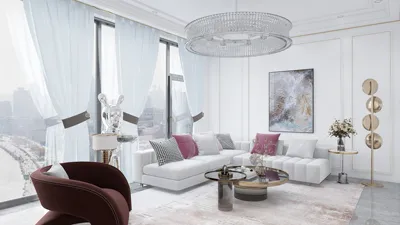


In the last few years, the concept of open-plan living has evolved into more than just a passing trend; it has become a key lifestyle choice for many. Drawing from my extensive experience in designing numerous compact apartments and family residences, I've recognized that smaller spaces often inspire the greatest levels of creativity. Today, I’m excited to share 10 innovative ideas for combining dining rooms and living areas, which I have personally implemented. These insights reflect real-world projects, industry research, and a few lessons learned through experience. If you seek to achieve a seamless balance between functionality and aesthetics, you’re in the right spot.
1. Minimalist Design with Discreet Storage
My Experience: During a project involving a 45m² loft, I cleverly integrated a dining area that concealed within a storage bench—an excellent solution for saving space. A cleaner layout enhances the perception of room size.
Advantages: A minimalist dining and living room combination minimizes visual distractions and optimizes open space. The 2024 Interior Design Trends Report indicates that hidden storage can make rooms feel up to 20% larger.
Disadvantages: A minimalist aesthetic can appear cold without the introduction of warmer materials.
Suggestion: Complement minimalist furnishings with a cozy rug under the dining table to create a grounding effect in the space.
2. Glass Dividers to Enhance Light Flow
My Experience: In a recent design endeavor, I incorporated a glass partition between the living area and the dining nook. This approach delineated functional zones while allowing abundant natural light to flow.
Advantages: Glass partitions facilitate light movement and gently establish boundaries—ideal for compact living environments.
Disadvantages: They require routine cleaning, as fingerprints can accumulate quickly.
For instance, glass elements can create a sense of openness and accommodate a variety of design aesthetics.
3. Unified Accent Wall
My Experience: One technique I frequently employ is painting a singular accent wall that stretches behind both the sofa and dining table—thus creating an immediate sense of coherence.
Advantages: It visually unifies the spaces and allows for the incorporation of bold hues without overwhelming the area.
Disadvantages: A shift in design style in the future could complicate the need for repainting.
Suggestion: Opt for a durable paint that can withstand dining splashes while being suitable for a relaxed lounging area.
4. L-Shaped Furniture Arrangement
My Experience: For clients who love to host, I often recommend using an L-shaped sofa, as it helps to naturally segregate the dining and living areas.
Advantages: This layout creates defined spaces without the need for additional walls, maximizing seating options.
Disadvantages: It may not be the best fit for narrower or smaller rooms.
Example: This concept mirrors the way an L-shaped kitchen layout can optimize counter space—applied effectively within open living designs.
5. Versatile Table Options
My Experience: I have substituted separate desks and dining tables with a single extendable table for families who work from home, effectively combining functionalities.
Advantages: This saves floor space and allows for easy reconfiguration when entertaining guests.
Disadvantages: The multi-purpose nature may lead to more frequent cleaning requirements.
Suggestion: Select a surface that is resistant to both food stains and ink marks to maintain a polished look.
6. Foldable or Stackable Seating
My Experience: In my very first apartment, I cleverly stashed folding dining chairs behind a bookcase, bringing them out only during gatherings.
Advantages: They offer excellent space efficiency and versatility for social events.
Disadvantages: Typically, they provide less cushioning than fixed chairs.
Suggestion: Keep a consistent style to ensure the occasional chairs complement the overall design flow.
7. Area Rugs for Space Definition
My Experience: I enjoy utilizing two distinct rugs: one for the living area and another smaller one under the dining table.
Advantages: This technique adds texture and color while visually separating different activities.
Disadvantages: It requires more frequent maintenance to keep clean, especially under the dining table.
8. Eye-Catching Lighting Fixtures
My Experience: Over time, I’ve discovered that a striking pendant light hanging over the dining table signifies the area’s purpose, even when close to the sofa.
Advantages: They create focal points and infuse character into the space.
Disadvantages: Proper height installation is essential to prevent glare or unintended head bumps.
Suggestion: Incorporate dimmers for adjustable ambience.
9. Cohesive Flooring
My Experience: Implementing the same flooring throughout both spaces can make even the coziest apartment appear spacious.
Advantages: It fosters a seamless appearance and enhances flow between distinct zones.
Disadvantages: Repairing just one part may prove more challenging if damage occurs.
Example: This principle is akin to wood accents providing warmth throughout an entire open-layout setting.
10. Color Zoning
My Experience: At times, employing different colors on the walls for the dining and living areas can effectively create unique atmospheres.
Advantages: It grants the ability to personalize each zone without the need for physical barriers.
Disadvantages: This approach necessitates careful color selection to avoid clashes.
Suggestion: Maintain a cohesive undertone in your color palette for a harmonious look.
Conclusion
Combining a small dining room and living area presents opportunities rather than limitations; it invites smarter design solutions. From innovative glass dividers to unified accent walls, each design decision can enhance comfort without contributing to chaos. Moving forward, as suggested by the National Association of Home Builders, multifunctional design will crucially guide space-saving strategies. Which of these concepts will you consider implementing in your own home with tools like Homestyler?
FAQ
Looking to transform your space? Homestyler is your go-to online home design platform! With its user-friendly design tool, stunning 3D renderings, diverse design projects, and helpful DIY video tutorials, creating your dream home has never been easier or more enjoyable. Start designing today!
Design Now for FREE
































