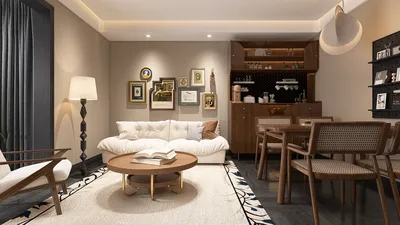


As we look to the future, our living spaces increasingly mirror the functionality of sleek software, addressing today's issues of cluttered circulation and inefficient storage with innovative solutions. Recent reports from AIA indicate a strong shift towards homes that emphasize compact, functional designs, minimizing wasted hall space. This vision aligns perfectly with designs featuring a single-story layout that incorporates a utility corridor, serving as a foundational element for the homes of tomorrow. This corridor is more than just a passageway; it acts as the operational backbone, integrating essential systems like laundry, HVAC, and charging docks, allowing for a neater living experience. Utilizing tools like Homestyler can help visualize such innovative spaces effectively.
Utility Spine + Great Room Front
Design Principles: By positioning utilities along the central axis, we free up the outer areas for natural light and adaptable living spaces. Decoupling service lines effectively mitigates noise transfer and strategically prepares homes for future upgrades.
Flow: The journey begins at the entrance, moving through the great room and into the bedrooms; a parallel service corridor quietly runs behind service areas like the kitchen and bathroom, acting as an unobtrusive support for daily tasks.
Sightlines: The transition from entry to expansive windows is unobstructed; the doors within the corridor align seamlessly, creating a unified aesthetic rather than a stark feature.
Storage: Incorporating continuous cabinetry includes linen towers and designated seasonal storage, creating organized zones equipped with power sources for gadgets.
Furniture Arrangement: The great room is designed with pathways of 36–42" width; a sofa island is positioned at corridor junctions, ensuring clean, defined traffic flow.
Conclusion: This design fosters a serene front stage while maintaining a functional behind-the-scenes area, allowing for efficient daily routines even as appliances evolve over five years.
save pin
Courtyard Loop with Service Bar
Design Principles: This layout features a circular flow linking rooms around a central courtyard, with the utility corridor serving as a service bar that streamlines tasks without detracting from social spaces.
Flow: The entry leads into a clockwise loop; the corridor effectively connects laundry, mudroom, pantry, mechanical systems, and bathroom.
Sightlines: Major views are oriented toward the green courtyard; service doors blend into matching panels, ensuring that nature remains the focus.
Storage: The design incorporates deeper pantry units, vertical storage for brooms, and foldable benches, allowing for flexible seasonal storage solutions.
Furniture Arrangement: The edges of the courtyard dictate clearances—36" for dining and a minimum of 30" for lounge areas; movable stools can conveniently fit at the service bar.
Conclusion: This loop layout minimizes unnecessary movement through the home, creating a light atmosphere while the corridor efficiently absorbs disruptions and accommodates future device upgrades.
save pin
Split-Bedroom Grid with Tech Trunk
Design Principles: This design separates spaces for parents and children, with the corridor functioning as a tech trunk that distributes power, data, and water, making it easy to maintain without disrupting the aesthetics of finished rooms.
Flow: Guests enter into the grand room; the tech trunk extends between living suites, branching off towards bathrooms and kitchens much like microservices in software.
Sightlines: Straight views lead toward artwork or windows; trunk doors are deliberately offset, directing focus onto living areas rather than service points.
Storage: The design includes overhead shelves for travel bags, retractable laundry units, and charging drawers; organized storage prevents clutter buildup.
Furniture Arrangement: Bedrooms are centered with nightstand areas of 24–30"; desk spaces are thoughtfully sized at 24" depth along quieter walls next to the tech trunk.
Conclusion: Privacy is maintained while systems remain easily accessible; in five years, replacing a unit feels akin to a software upgrade rather than a disruptive overhaul.
save pin
Final Insights
The layout featuring a utility corridor can be likened to a dynamic interface: public areas stay unobstructed while essential systems are seamlessly integrated behind the scenes. Variations such as split-bedroom configurations, service bars, and front-facing great rooms allow utilities to serve as a reliable API for evolving appliances and daily routines. This approach transforms floor plans into adaptable systems, much like living firmware, and in my observation, the closer we bring utility pathways to a cohesive spine, the more liberating and efficient daily life becomes, facilitated by tools like Homestyler for optimal design visualization.
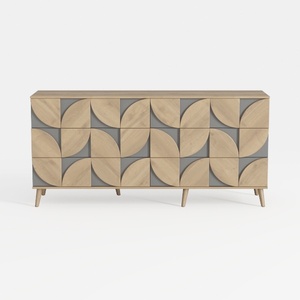
Modern Geometric Pattern Solid Wood Sideboard Cabinet 3D Model
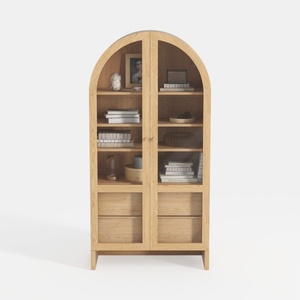
Minimalist Solid Wood Arched Display Cabinet 3D Model

Looking to transform your space? Homestyler offers an easy-to-use online design tool that helps you visualize your ideas with stunning 3D renderings. Explore diverse design projects and enhance your skills with engaging DIY video tutorials. Start creating your dream home today!
立即免费设计
































