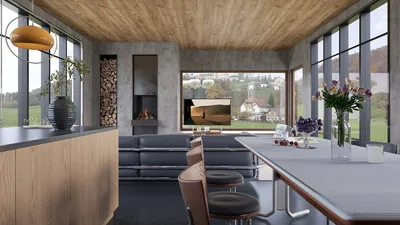


In one instance, a client wanted to stain hickory cabinets almost black to create a moody kitchen atmosphere. I was able to dissuade them using samples, light tests, and a quick mock-up of a small kitchen case study demonstrating how the hickory grain interacts with various lighting. Hickory is a revealing wood; it presents unique character, knots, and variations in color. This can either be a design asset or a visual distraction if not considered carefully. Especially in compact spaces, every choice must be deliberate as the impact of each decision is magnified.
1. Embrace Warm Scandinavian Minimalism
I enjoy combining hickory’s warm hues with matte white upper cabinets, light-colored countertops, and sleek brass pulls for a serene Nordic aesthetic. The natural grain offers texture, eliminating the need for elaborate backsplashes; however, it’s important to note that hickory’s color variations can clash if too many different wood tones are utilized, so it’s best to limit mixed woods.
save pin
2. Two-Tone Hickory with Painted Upper Cabinets
Consider painting the upper cabinets a soft gray or off-white while keeping the lower cabinets in natural hickory for a modern farmhouse vibe. This design elevates the visual appeal in smaller kitchens and is more budget-friendly than custom staining; the main challenge lies in ensuring that stain colors match if you need to replace elements down the line.
save pin
3. Rustic Modern with Matte Black Hardware
When hickory is paired with matte black fixtures, pulls, and faucets, it creates an elegant contrast that leans more towards a modern style rather than rustic. I applied this combination in a rental renovation and the tenants appreciated the robust nature of hickory. However, be mindful of fingerprints on darker hardware, so choose finishes that you don’t mind maintaining.
save pin
4. Open Shelving and Hickory Accents
Consider replacing a few upper cabinet doors with open hickory shelves to display ceramics and maintain an open feel in the kitchen. Open shelving can be ideal for smaller spaces, but it requires a commitment to organized storage. For a client needing visual persuading, photorealistic 3D renders through tools like Homestyler convincingly showcased the design concept before any renovations began.
save pin
5. High-Contrast Backsplash and Under-Cabinet Lighting
Incorporating a striking subway or geometric tile backsplash paired with warm under-cabinet LED lights can dramatically illuminate hickory, adding depth to small kitchens. Economically, enhancing tiles and lighting delivers significant impact without the expense of a total cabinet overhaul; although, be prepared for potential minor electrical costs related to wiring for the lighting system.
save pin
Tips 1:
Keep saw cuts taped near your flooring and countertop options, and view them under morning and evening light before making any stain or seal commitments. If you're struggling to envision your design, an AI-assisted layout study using programs like Homestyler can quickly present various color palette choices for the same space.
save pin
FAQ
Q1: Are hickory cabinets suitable for kitchens?
A: Definitely — hickory ranks among the hardest domestic woods, making it resilient against wear and dings. Its distinctive grain adds significant character, which I consider a design advantage for those who appreciate warm textures.
Q2: How do I coordinate countertops with hickory cabinets?
A: Neutral quartz or light marble countertop surfaces complement hickory beautifully by balancing its warmth. If contrast is desired, opt for a darker stone or soapstone to ground the environment, but ensure you test samples together under your kitchen’s lighting conditions beforehand.
Q3: Should I choose stain or clear coat for hickory?
A: Clear-coating preserves the natural variations in color while protecting the wood, whereas staining can create a more uniform appearance. For small kitchens, I typically suggest clear coating so the grain can remain a focal point unless a specific color is requested by the client.
Q4: Is hickory more costly compared to other cabinet woods?
A: Hickory's price falls in the mid-to-high range depending on its grade and finish; it often costs more than maple but less than many exotic hardwoods. Its long-lasting durability usually balances out the initial investment because replacements will be needed less frequently.
Q5: What is the best way to maintain hickory cabinets?
A: A regular dusting and a damp cloth for spills are typically sufficient; avoid using harsh cleaners that will strip the finish. For kitchens with heavy oils, gentle wood cleaners can be used, and a protective topcoat should be reapplied when signs of wear appear.
Q6: Can hickory be incorporated into contemporary kitchens?
A: Absolutely — combining hickory with sleek slab doors, concealed handles, and monochrome countertops can create a modern look. The key is to exercise restraint: let the wood showcase its texture while keeping other design elements minimalist.
Q7: What kind of clearances should I maintain around hickory cabinetry?
A: Adhere to standard kitchen clearances: NKBA advises at least 42 inches for a single-cook aisle and 48 inches for kitchens accommodating multiple cooks, which ensures a smooth workflow and prevents premature wear from bumps or scrapes (source: https://nkba.org/).
Q8: Are eco-friendly finishing options available for hickory?
A: Certainly — water-based varnishes and low-VOC oils can protect the wood while minimizing environmental emissions. I frequently recommend water-based finishes for clients sensitive to odors or in pursuit of greener options, as they cure faster and yellow less over time.
save pin
Discover your inner designer with Homestyler! This user-friendly online platform offers an intuitive design tool, stunning 3D renderings, and a wealth of DIY video tutorials. Perfect for both beginners and seasoned decorators, Homestyler makes transforming your space easy and inspiring.
Design Now for FREE
































