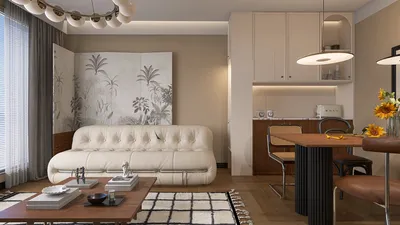


In my experiences over the last ten years as an interior designer, I've observed the transformation of gray living room walls from being a mere 'safe neutral' to an expressive statement of individuality. Presently, muted color schemes and textured finishes are dominating trends in interior design, with even small spaces demonstrating immense creativity. In this article, I will present 10 innovative gray living room wall concepts—merging personal insights, authentic client experiences, and professional knowledge—that can significantly enhance the atmosphere of your home, facilitated by tools like Homestyler.
1. Matte Gray with Cozy Lighting
My Experience: I applied this idea in a compact apartment living room for a client, and the matte surface beautifully absorbed light, preventing the area from appearing flat. The warm LED lighting enriched the gray hues, making the room feel more inviting.
Benefits: Matte gray walls effectively disguise imperfections compared to glossy finishes, creating a snug environment, particularly when combined with warm-toned bulbs. This design approach is excellent for those seeking a peaceful, minimalist aesthetic.
Drawbacks: One downside is that matte finishes tend to scuff more easily, making them less suitable for households with children or bustling living spaces.
Advice: If minimalism resonates with you, consider testing a sizable paint swatch before making a final decision; matte shades can appear darker when applied to larger walls.
2. Dual-Tone Gray Accent
My Insight: In a past project, I created a horizontal division on a wall using a darker gray below and a lighter shade above—it immediately gave the illusion of a higher ceiling.
Advantages: This technique adds visual intrigue without cluttering the space; it's particularly beneficial for delineating zones in open-concept homes.
Limitations: Achieving a flawless division line requires careful measurement and skillful painting.
Case Study: This option is particularly popular among renters, as repainting the lower section is an economical way to revitalize the area.
3. Gray Textured Wallpaper
My Experience: In a recent endeavor, I opted for a linen-like gray wallpaper, and my client couldn’t resist touching it—it brought a subtle elegance and dimension to the walls.
Advantages: This adds texture without requiring changes to the floor layout; several wallpapers are even peel-and-stick, making swaps hassle-free.
Downsides: High-quality textured wallpaper can be pricey, and aligning patterns can be painstaking.
4. Concrete Finish Appearance
My Experience: I frequently use this for achieving an industrial loft aesthetic; gray concrete textures make a bold impact while remaining neutral.
Benefits: This style is resistant to changing trends, suits industrial and contemporary designs, and complements metals and wood surfaces beautifully.
Drawbacks: Real concrete requires professional installation; DIY methods might not replicate the same depth of color and texture.
Suggestion: Consider faux concrete painting kits as a cost-effective solution.
5. Gray with Molding Panels
My Experience: In a classic-style apartment, I created paneled gray walls that instantly infused the room with dimension and elegance.
Pros: Adds architectural interest; panels can easily be repainted when you wish to refresh the color.
Cons: Installation necessitates time and careful execution.
6. Gray Accompanied by Natural Wood Accents
My Experience: In one compact urban living room project, I harmonized gray walls with warm wooden shelves—spectacularly softening the overall aesthetic.
Benefits: Wood tones introduce warmth and texture to cooler gray walls, enhancing the room's appeal.
Drawbacks: Excessive wood can overwhelm small spaces, leading to a cluttered appearance.
Tip: Floating wood shelves offer a low-risk way to experiment with this combination.
7. Glossy Gray Feature Wall
My Experience: In a client’s modern loft, I applied a high-gloss gray; at night, reflections from pendant lights created a dramatic atmosphere.
Benefits: Glossy surfaces reflect light, making compact spaces feel larger; they are also simple to clean.
Cons: They highlight wall imperfections more than matte finishes, necessitating meticulous preparation.
Reference: Trend reports from Houzz indicate that reflective surfaces are gaining popularity for living areas in 2024.
8. Gray with Striking Art Arrangements
My Insight: For a client collection of artworks, I chose a calming gray base that accentuated colorful pieces without overwhelming the eye.
Benefits: Similar to a gallery wall, gray backgrounds recede visually, allowing art to take center stage.
Drawbacks: The room may appear dull when art is absent or shifted without sufficient lighting.
Tip: Look into track lighting to showcase your preferred artworks effectively.
9. Gray with Delicate Metallic Finish
My Experience: I played with a metallic glaze over gray walls for a soft shimmer that changed with the lighting.
Pros: This adds a sense of luxury and depth to otherwise plain walls; suitable for both modern and traditional interiors.
Cons: Typically, these techniques and special paint products can be more costly.
Case Study: Particularly stunning in settings where evening illumination is crucial.
10. Gray Enhanced with Built-In Shelving
My Experience: Utilizing built-in shelves painted in the same gray as the walls transformed a client's living room, making it appear larger and less cluttered—truly a game changer.
Benefits: Provides seamless storage solutions perfect for books, decorative items, and plants.
Drawbacks: Fixed shelving limits the flexibility of furniture arrangements.
Tip: If you’re planning custom shelves, consider brainstorming an open-shelf layout beforehand to visualize proportions effectively.
Conclusion
To me, a gray living room wall serves not just as a traditional choice; it is a versatile design foundation that evolves with your individual style. Whether incorporating textures, two-tone styles, or harmonizing with wood, unexpected combinations can elevate small spaces significantly. As noted by the American Society of Interior Designers, neutral shades remain timeless, permitting endless layering. Which of these 10 creative design concepts from Homestyler would you consider for your own home?
Frequently Asked Questions
1. Is gray a suitable option for small living rooms?
Certainly, gray can lend small areas a cozy yet sophisticated feel, particularly when enhanced with the right lighting and textural elements.
2. What gray tone is ideal for living room walls?
Lighter grays with warm undertones are versatile and help to prevent the space from feeling too chilly.
3. How can I avoid gray walls looking dull?
Incorporate contrasts with furniture, wood accents, or colorful decor elements.
4. Can gray walls be paired with wooden floors?
Definitely—gray harmonizes beautifully with wood's warmth.
5. Are concrete-effect gray walls pricey?
True concrete applications entail higher costs, but faux finishes present more affordable options.
6. Do matte gray walls require special care?
Yes, matte finishes can absorb stains; using a mild cleaner and a soft cloth is advisable.
7. What are the current trends for gray living rooms?
According to Elle Décor, layering textures and warm lighting are prevalent trends alongside gray walls.
8. Can gray walls coordinate with open shelving?
Yes, especially if you strategically plan the design to maintain a balanced storage setup and avoid clutter.
Homestyler is your go-to online home design platform, perfect for anyone looking to create stunning interiors. With its easy-to-use design tool, impressive 3D renderings, and a wealth of DIY video tutorials, you can effortlessly bring your dream home to life—no design experience needed!
今すぐ无料でデザイン
































