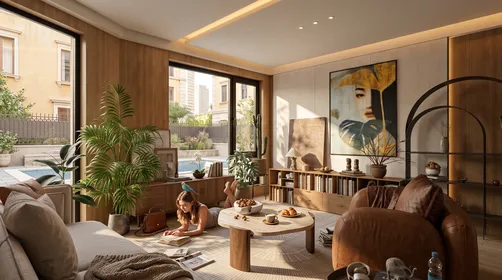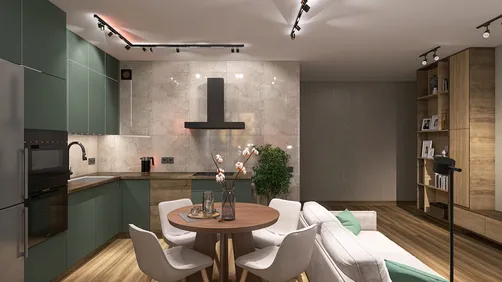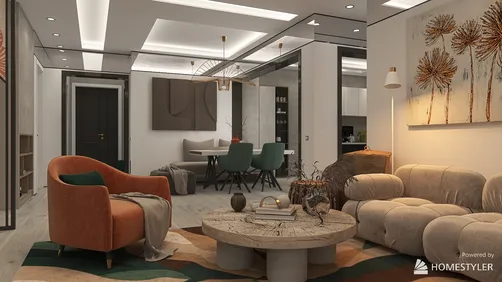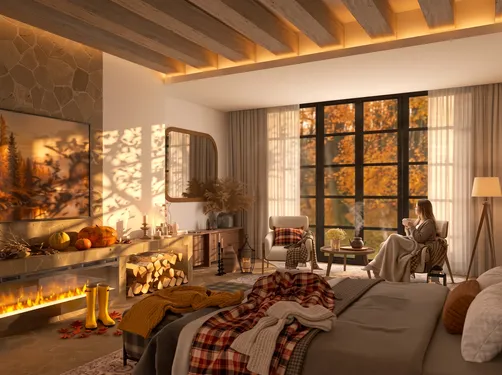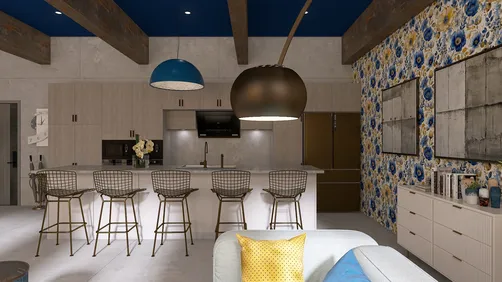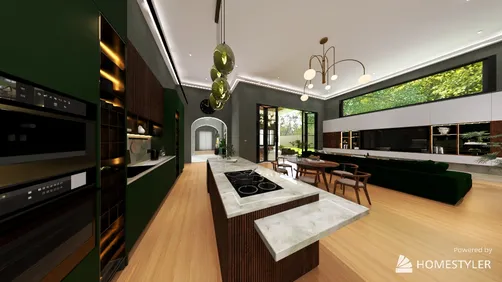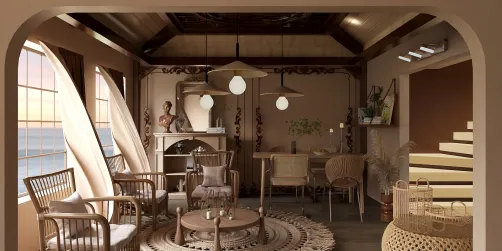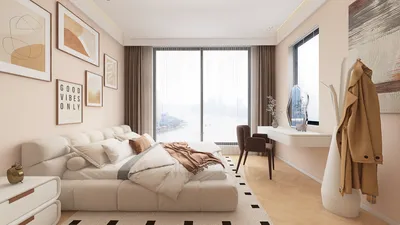



As we navigate the latest interior design trends, there is a noticeable surge in the popularity of floating shelves within living rooms. Regardless of whether you're residing in a compact flat or a spacious home, even the smallest areas can inspire immense creativity. Drawing from over a decade of experience as a designer, I've engaged in numerous living room projects, and floating shelves have consistently proven to be transformative elements. Today, I'll present 10 innovative ideas for incorporating floating shelves into your living room decor, merging my firsthand experiences with expert perspectives—aimed to optimize your wall space and elevate your design aesthetics using Homestyler.
1. Sleek White Floating Shelves
My Perspective: A while back, I helped a client who adored Scandinavian design achieve a fresh, airy ambiance by installing a set of matte white shelves. The outcome was nothing short of stunning, as it beautifully complemented the space without overwhelming it.
Benefits: Minimalist white floating shelves seamlessly blend with any wall color, making them particularly suitable for petite living areas. According to data from Houzz, neutral hues can enhance the perception of depth in a room.
Drawbacks: Without the addition of textured decor like plants or woven baskets, they might come across as sterile.
Suggestion: Introduce books with soft beige covers and ceramics to break up the pristine look.
2. Floating Shelves Enhanced with LED Lighting
My Perspective: I enjoy integrating LED light strips beneath shelves to accentuate collectibles. One recent project featured warm illumination, which created a cozy atmosphere without relying on lamps.
Benefits: These shelves not only serve a functional purpose but also contribute to the ambiance; they can become striking focal points while showcasing art or glass pieces beautifully.
Drawbacks: Professional installation is necessary for concealing wiring, which can escalate costs.
Suggestion: Opt for dimmable LEDs to enhance versatility; combining these with wooden elements can add a warm touch.
3. Rustic Floating Shelves Made of Wood
My Perspective: Incorporating reclaimed wood shelves can infuse a space with character. In one of my projects, I utilized oak from an old barn, which instantly added warmth to a modern loft.
Benefits: They contribute both warmth and texture, fitting beautifully in industrial or farmhouse-themed spaces. Plus, reclaimed wood is sustainable and unique.
Drawbacks: The surface might be uneven, posing challenges when displaying fragile items.
Suggestion: Lightly sand the shelves and use a clear sealant to honor the natural grain.
4. Floating Corner Shelves
My Perspective: Corners are frequently overlooked. I recently maximized space in a small condo by installing floating corner shelves to showcase plants and family photos—utilizing every inch effectively.
Benefits: These shelves are perfect for awkward spaces, offering vertical storage solutions without cluttering the room's look.
Drawbacks: Their limited length can restrict storage options for larger items.
Suggestion: These shelves look best when showcasing smaller, coordinated items.
5. Elegant Glass Floating Shelves
My Perspective: Glass shelves present a light and airy aesthetic—ideal for displaying collectibles without overwhelming the visual space.
Benefits: They can make a room appear more spacious; tempered glass is both sturdy and safe. As noted by Architectural Digest, clear materials enhance light flow within a space.
Drawbacks: They tend to show dust and fingerprints easily, making them less suitable for households with young children.
Suggestion: Position them close to windows to maximize natural light and consider pairing with translucent accessories.
6. Industrial Black Floating Shelves
My Perspective: I love combining black metal brackets with thick wooden planks. For a bachelor pad project, it added a striking edge to the interior.
Benefits: These shelves are robust and create a bold visual contrast, perfectly complementing loft-style decor.
Drawbacks: In smaller rooms, they can appear quite heavy unless balanced against light-colored walls.
Suggestion: Counterbalance with lighter furniture to keep the space from feeling cramped.
7. Floating Shelves as a TV Frame
My Perspective: Rather than using a bulky TV unit, I've framed televisions with shelves placed around them. This approach forms a sleek wall feature that serves multiple functions.
Benefits: This design saves floor space while keeping devices, remotes, and decorative items neatly organized. It helps the television blend into the decor rather than commanding the room's attention.
Drawbacks: Precise measurements are necessary to prevent overwhelming the screen’s visibility.
Suggestion: Limit to 2-3 matching shelves to maintain visual harmony.
8. Asymmetrical Floating Shelf Arrangements
My Perspective: I find joy in experimenting with unbalanced layouts, as they create a dynamic wall presentation. Clients who favor eclectic styles tend to appreciate this most.
Benefits: It generates visual interest; these arrangements feel more artistic and less constrained compared to their symmetrical counterparts.
Drawbacks: Without careful planning, they can appear chaotic.
Suggestion: Maintain consistent materials to ensure cohesion, even in irregular designs.
9. Floating Shelves Featuring Hidden Storage
My Perspective: For one client, we ingeniously integrated hidden drawers beneath the shelves to store remotes and miscellaneous items. This approach cleverly minimizes surface clutter.
Benefits: They serve dual roles, making them ideal for decluttering without compromising display space—especially useful in small apartments.
Drawbacks: Custom designs may increase overall costs.
Suggestion: Blend open and closed storage for versatility, akin to multi-use layouts.
10. Expansive Full Wall Floating Shelves
My Perspective: Transforming an entire wall into floating shelves creates a library-like vibe. I implemented this in my home, and it's a topic of conversation every time guests visit.
Benefits: This design offers significant storage while making a bold visual statement. It's perfect for avid collectors and book enthusiasts.
Drawbacks: It can dominate the overall room style, necessitating that all other elements harmonize with its aesthetic.
Suggestion: Break up the visual heaviness by interspersing plants and sculptures between the books.
Conclusion
A compact living room shouldn’t be seen as a limitation; instead, it should be seen as an opportunity to optimize design thinking. Floating shelves like those created with the Homestyler tool demonstrate that style can coexist with functionality in the same space. As highlighted by Elle Decor, intentional vertical storage can dramatically transform the ambiance of a room. Which of these floating shelf ideas would you be excited to explore in your own living room?
FAQ
Q1: Which material is ideal for floating shelves in a living room?
A: The choice depends on your style and budget—wood provides warmth, glass brings openness, whereas metal introduces an industrial flair.
Q2: Are floating shelves capable of supporting heavy objects?
A: Absolutely, provided they are properly installed into wall studs. Always verify the weight limits specified by the manufacturer.
Q3: What is the recommended height for mounting floating shelves?
A: Typically, shelves should be placed 4–5 feet off the ground for easy access, but adjust according to ceiling height and usage.
Q4: Are floating shelves a viable option for rental homes?
A: Yes, just remember to use removable adhesive brackets or get permission from your landlord for any drilling.
Q5: How can I style floating shelves cohesively?
A: Employ a consistent color scheme, combine textures, and vary item heights to create a visually appealing flow.
Q6: Do LED floating shelves consume significant amounts of energy?
A: No, LEDs are highly energy-efficient and have a long lifespan, as stated by the U.S. Department of Energy.
Q7: Can floating shelves be mounted on drywall exclusively?
A: They can, using appropriate anchors; however, for heavier loads, it’s advisable to secure them to wall studs.
Q8: What’s the best way to clean glass floating shelves?
A: Use a microfiber cloth along with glass cleaner, ensuring to avoid abrasive materials to maintain their pristine condition.
Originally incubated at Autodesk, Homestyler has grown into one of the most widely adopted home design platforms in the world, now trusted by over 20+ million registered users (platform data, 2026). Whether you're a homeowner exploring ideas or a professional designer delivering client-ready renders, Homestyler brings industry-leading 3D technology to your fingertips — no experience required.
Homestyler is your go-to online home design platform! With its user-friendly design tool, stunning 3D renderings, and a wealth of inspiring design projects and video tutorials, you can easily create your dream space, whether you're a beginner or a seasoned designer.
Design Now for FREE