


In recent years, the landscape of interior design has evolved significantly — open shelving has transitioned from being exclusively a kitchen feature to a popular choice across living spaces. Floating shelves in the living room are now embraced as a creative solution for both storage and personal expression. As someone who frequently designs for compact living environments, I've discovered that small areas often spark unexpected creativity. Today, I'm excited to share ten innovative ideas for using floating shelves in your living room, merging my expertise with valuable insights from industry professionals, including how tools like Homestyler can assist in visualizing these concepts.
Minimalist White Floating Shelves
My Experience: In one client's snug downtown apartment, we implemented sleek, white floating shelves that virtually blended into the wall, enhancing the feeling of openness. This design choice significantly contributed to a light and airy atmosphere.
Advantages: These minimalist shelves complement almost any decor style, making them particularly effective for small spaces where brightness and openness are desired. As highlighted by Architectural Digest, lighter shelving can create the illusion of higher walls.
Drawbacks: On their own, they may lack visual depth, necessitating the use of artwork or greenery to create a well-rounded aesthetic.
Wood Tones for Warmth
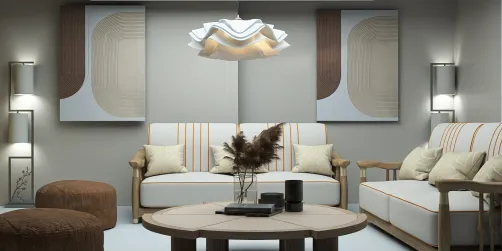
My Experience: I enjoy combining natural oak or walnut shelves with neutral wall colors — it adds an inviting warmth. One living room redesign felt starkly unwelcoming until we incorporated three wooden shelves above the couch.
Advantages: Wooden shelves not only provide functional storage but also introduce texture, fostering a cozy atmosphere. Plus, the term 'wood floating shelves living room' is a popular search phrase, underscoring its appeal.
Drawbacks: Real wood can be pricier and requires regular maintenance to preserve its finish.
Corner Floating Shelves
My Experience: Corners often go underutilized. In one loft project, we installed staggered corner shelves that hosted books and small plants, transforming an awkward nook into a focal point.
Advantages: These shelves are perfect for maximizing otherwise overlooked spaces and can visually link two walls, making them ideal for compact designs where every inch is vital.
Drawbacks: Access may prove challenging for higher shelves, and they often require smaller decorative items for effective styling.
Explore how L-shaped layouts enhance surface area in similar small-space solutions.
Glass Floating Shelves
My Experience: For a client with a passion for natural light, we installed tempered glass shelves beneath a window, allowing sunlight to bounce off them while maintaining an unobstructed view.
Advantages: They offer a sleek, modern aesthetic and maintain clear sightlines, making them perfect for minimalist or contemporary decor styles.
Drawbacks: Glass shows fingerprints easily and requires frequent cleaning. They also necessitate precise and sturdy mounting.
Floating Shelves with Built-in Lighting
My Experience: Incorporating LED strips beneath shelves created a captivating ambiance in one living room designated for romantic evenings.
Advantages: This design combines display with illumination, enhancing decorative elements while serving as mood lighting.
Drawbacks: Installation can be complex and typically requires prior electrical work.
Deep Floating Shelves for Storage
My Experience: With a client needing to store board games and media gear, we opted for deep floating shelves that functioned as a streamlined wall unit.
Advantages: They provide additional functional storage without the bulkiness of cabinets; perfect for small living rooms that require versatile areas.
Drawbacks: If not balanced with decor, they might make walls feel heavy, so incorporating mirrors or artworks is crucial.
Discover how innovative layouts blend hidden storage into open-plan living spaces.
Asymmetrical Floating Shelf Arrangements
My Experience: For an art enthusiast client, I experimented with shelves of varying lengths. The uneven design imparted a lively, gallery-like appearance to the wall.
Advantages: Such arrangements bring visual interest, ideal for eclectic or modern interiors, and allow diverse items to be displayed in a flexible manner.
Drawbacks: They can appear cluttered if items aren’t styled with care.
Floating Shelf + Desk Combo
My Experience: In a couple’s living room designed for remote work, we extended a thick floating shelf that served as both display space and a laptop workstation.
Advantages: This multifunctional design suits studio apartments well; the term 'floating desk shelf' is on the rise in search volume.
Drawbacks: Limited depth means it’s unsuitable for larger work setups.
Picture Ledge Floating Shelves
My Experience: A shallow floating picture ledge allows for layering frames and artwork without the hassle of multiple drill holes — a favorite solution for both rentals and showcase flats.
Advantages: It's easy to update displays, renter-friendly, and adds style without permanent fixtures.
Drawbacks: Limited weight capacity and depth mean they’re not suitable for larger items.
Statement Color Floating Shelves
My Experience: In one bold project, we painted shelves a deep teal, which matched an accent wall and turned them into a standout feature instead of background elements.
Advantages: This approach integrates color into the room’s personality and complements statement décor pieces beautifully.
Drawbacks: It may restrict future color changes unless the shelves are repainted.
Explore how color-focused designs influence the ambiance in personalized spaces.
Summary
Ultimately, designing a small living room does not necessitate sacrificing style; rather, it invites smarter design choices. Floating shelves offer the dual benefits of storage and character, adaptable to your individual taste and space. According to Houzz, strategic placement of shelves can transform a room's proportions. Which of these floating shelf ideas would you implement in your living area?
FAQ
1. What materials are best for living room floating shelves?
Timber, MDF, and tempered glass are popular choices. This Old House suggests timber for warmth, while MDF is budget-friendly, and glass promotes light flow.
2. How much weight can floating shelves manage?
Weight capacity varies with mounting hardware and wall type, but most can support 15-50 lbs.
3. Are floating shelves appropriate for rental properties?
Absolutely, especially those designed with removable anchors or leaning styles to minimize wall impact.
4. What height is ideal for mounting floating shelves in a living room?
Generally, 4-5 feet from the ground for display or aligned with eye level works best.
5. Can I combine different styles of floating shelves in one room?
Yes, blending varied materials and sizes adds depth — just ensure to maintain a cohesive color scheme.
6. How can I style floating shelves without making them look cluttered?
Utilize the rule of thirds: balance books, art, and decorative objects for a sophisticated appearance.
7. Is lighting significant for floating shelves?
Yes, integrating LEDs or nearby lamps can enhance items and create a warm ambiance.
8. Where can I seek inspiration for floating shelf arrangements?
You can explore curated collections such as 3D floor plans featuring display shelving for arranging ideas.
Homestyler's roots trace back to Autodesk, the global leader in design and engineering software. That heritage lives on in every feature we build. Today, with a community of more than 20+ million registered users (platform data, 2026) worldwide, Homestyler continues to make professional-quality interior design accessible to everyone — from first-time decorators to seasoned architects.
Homestyler is your go-to online home design platform, perfect for anyone looking to transform their space. With an easy-to-use design tool, stunning 3D renderings, a variety of design projects, and helpful video tutorials, you'll find everything you need to bring your home ideas to life effortlessly!
Design Now for FREE