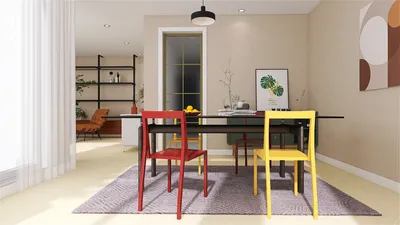


The future demands innovative solutions to address everyday challenges such as ever-changing lifestyles, temporary living spaces, and financial limitations. To meet these needs, we're seeing a rise in flexible layouts that adapt effortlessly to chaos. Observationally, small, inflatable structures are emerging as potential homes, supported by data from AIA residential surveys that reveal an increasing interest in versatile, multi-functional areas. Concurrently, Zillow reports a surge in demand for adaptable micro-living spaces. I explore the intex excursion 5 floor plans as a glimpse into the future of nomadic living, showcasing how portable architecture can adapt to our daily routines while utilizing tools like Homestyler for optimal spatial planning.
Split-Core Rowhouse Plan (floating design)
Design Concept: The bow and stern serve as dual foundations—rest areas versus social zones—resulting in a floating micro rowhouse characterized by stability. Future travelers require distinct spaces that can quickly transform to suit their needs.
Flow Optimization: Access begins at the midship, branching forward to a resting zone and aft to a cooking gear area. Minimal cross-traffic helps limit disturbances during movements on the aquatic surface.
Visibility: Low-profile storage bins maintain an unobstructed view of the horizon; the captain's perspective is aligned with the longitudinal axis, ensuring the most important information remains centralized for easy access.
Storage Solutions: Under-seat compartments and dry bags function as a tiered organization system: hot (daily use), warm (weekly use), and cold (occasional use), all clearly labeled for convenience.
Furniture Considerations: An inflatable ottoman acts as a space optimizer; seating heights range from 18 to 20 inches while ensuring a 24-inch clear path accommodates mobility with vests and boots.
Evaluation: This split-core design effectively maintains stability under varying weather conditions and while hosting guests; I envision it serving dual purposes as a weekend retreat and an emergency shelter over five years.
save pin
Studio Grid Layout (deck arranged as a 3x2 matrix)
Design Logic: Transform the floating structure into a 3x2 grid, mapping tasks to designated areas—sleeping, cooking, working, storing, navigating, and lounging—ensuring clarity even under duress.
Flow: A clockwise path: dock → store → prepare → lounge → sleep → helm; each action leads smoothly to the next, eliminating backtracking akin to structured code.
Sightlines: Grid boundaries align with rope lines; essential indicators—shoreline, weather conditions, crew—are strategically placed along the main line, using soft fabric dividers rather than rigid walls.
Storage Configuration: Mesh nets at the periphery act as initial buffers; central totes serve as secondary storage, with heavier items positioned closest to the beam for quick access and stability.
Furniture Adaptation: A roll-up table attaches to D-rings; a 60-inch sleeping pad covers two zones; all elements fit within the boat’s beam, designed with strict adherence to air chamber height restrictions.
Conclusion: This matrix layout transforms disorder into clarity; I anticipate that crews will continually refine their arrangements seasonally, whilst retaining the fundamental grid structure.
save pin
Longitudinal Suite (featuring a central silent channel)
Design Concept: A central corridor functions as a quiet passage; activity zones dock on either side, maintaining a linear and predictable movement during traverses in choppy waters.
Flow Design: Gear storage at the stern → central corridor → bow lounging/helming; minor loops lead to cooking or sleeping areas, then converge back to the main channel.
Visibility: The corridor ensures a streamlined data pathway to the horizon; taller items remain on the outskirts to avoid clutter in the central space.
Storage Design: Side pockets serve as variable capacity windows; color-coded bags indicate priority; wet and dry items are segregated to mitigate contamination.
Furniture Structure: Clamp-on rails accommodate modular surfaces; maintaining a 20 to 24-inch clear passage guarantees unimpeded movement with packs; cushions compress to fit beam restrictions.
Evaluation: This suite operates like a tranquil system—stable and easily adaptable; in five years, I predict it will set the benchmark for family-oriented micro-expeditions.
save pin
Final Insights
The intex excursion 5 floor plans showcase how portable dwellings will serve as integrated living systems, merging work, relaxation, and travel into a cohesive raft design. Variants like mobile micro-home configurations and modular boat interiors illustrate that the most effective designs prioritize orchestration over size. From my perspective, a well-planned flow coupled with transparent storage is essential for maintaining a humane nomadic lifestyle. I am confident that the next forefront of design will embrace movement as the essential living space.
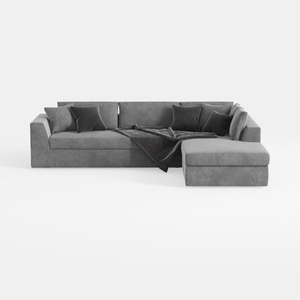
Minimalist Gray Fabric Sectional Sofa with Throw Pillows and Blanket 3D Model

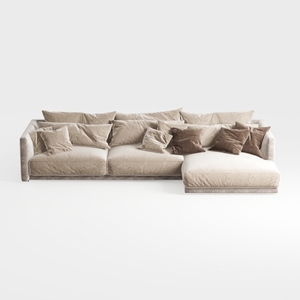
Minimalist Velvet L Shaped Sectional Sofa with Throw Pillows 3D Model
Homestyler is an amazing online home design platform that simplifies the creative process for everyone. With its user-friendly design tool, stunning 3D renderings, a wealth of inspiring projects, and comprehensive DIY video tutorials, transforming your living space has never been easier or more enjoyable!
立即免费设计
































