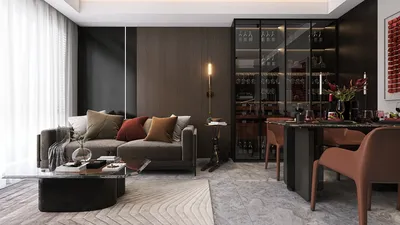


As we look towards the future of hospitality, current hotels are grappling with the challenges of optimizing guest traffic, managing staff dynamics, and reducing energy consumption. In this context, I create architectural blueprints for five-star hotels that represent the foundational blueprint for tomorrow’s service practices. Recent reports from NAHB and AIA indicate that designs focused on wellness and adaptability are surpassing traditional layout paradigms. Here, the essential term—five-star hotel architectural floor plan—serves as the operational framework that restructures service efficiency. My spatial reasoning toolkit functions quietly behind these design choices, ensuring coherence.
Sky Lobby + Vertical Amenity Spine
Design Principle: An elevated lobby minimizes congestion at ground level and transforms arrival into a significant experience; the future of hospitality is pivoting upward, compressing spatial footprints while enhancing experiential layers.
Flow: Arrival → express elevator → sky lobby check-in → lounge → amenity spine (spa/pool) → guest lift core, reflecting a streamlined execution that reduces context switching.
Sightlines: A panoramic check-in experience, framed views of the cityscape, and controlled light exposure; the user interface hierarchy is managed from reception to lounge to horizon to maintain a low cognitive load.
Storage: Back-of-house storage solutions are cleverly concealed behind the lobby structure; luggage caching points are located near lift cores to accommodate peak hours efficiently.
Furniture Arrangement: Lobby islands designed with depths of 1200–1500mm, modular lounge areas, and acoustic partitions that act as interface barriers; these components respect the circulation limits akin to programming API constraints.
Conclusion: This concept anticipates shifts over the next five years towards ritualized arrivals, reduced time spent in communal spaces, and fluid transitions between services.
Guestroom Ring with Service Mesh
Design Principle: Rooms are arranged around a concealed service corridor; future operations demand unobtrusive speed and quiet efficiency, reminiscent of a mesh network functioning behind an intuitive interface.
Flow: Guest lift → ring corridor → rooms → discreet service door → service corridor → back-of-house, keeping guests’ pathways pristine while ensuring staff routes stay parallel and out of sight.
Sightlines: The axis from door to window anchors spatial orientation; glazing emphasizes city or courtyard views, while service doors become nearly invisible in the visual layout.
Storage: In-room storage solutions include wardrobes measuring 1.2–1.5m, under-bed compartments, and dedicated amenity spaces; service corridor carts are designed to dock in alcoves to prevent congestion in hallways.
Furniture Arrangement: King-sized beds (2000×2100), workstations (1400×600), and lounge chairs with a 900mm clearance; these tolerances ensure smooth flow as if adhering to strict API standards.
Conclusion: This ring and mesh design preserves tranquility in rooms, ensures responsive service, and renders maintenance discreet—future-proofing both guest relaxation and staff productivity.
Banquet Flex Hall + Backstage Grid
Design Principle: Large venues are designed to transform between gala, conference, and cultural events; future designs must feature adaptable spaces rather than fixed layouts.
Flow: Pre-function area → hall entrances → event space → backstage grid → kitchen → loading dock; this reversible workflow allows for scaling up or down seamlessly.
Sightlines: Clear pathways from entry to stage, layered lighting strategies, and movable partitions that curate the information hierarchy from public areas to VIP sections to service zones.
Storage: Libraries for partitions, caches for chairs and linens aligned with designated bay numbers; cold and warm preparation zones assist in preventing bottlenecks during peak events.
Furniture Arrangement: Round tables (Ø1800) with 1200mm wide aisles, stage modules configured with a 1200mm grid, and AV racks designed like plug-ins; every component aligns with a predictable grid interface.
Conclusion: This flexible hall anticipates the next five years of events—hybrid, quick turnarounds, and data-driven—and maintains elegance even under high demand.
Final Thoughts
The five-star hotel architectural floor plan is not merely a design; it acts as a service interface where movement within the space functions like code, and amenities come together to enhance guest experience. Variants such as guestroom rings and sky lobbies embody long-term strategies that integrate new wellness technologies and staffing realities. In my experience, the most innovative luxury hotels focus not on sheer size, but on refining flow, efficient caching, and optimized sightlines until hospitality feels effortless—and I am confident these mindful design choices will transform how guests experience their time within these spaces.

Minimalist Concrete Potted Dried Foliage Plant 3D Model
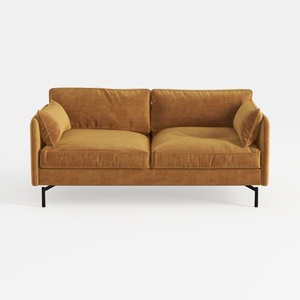
Modern Velvet Upholstered 2 Seater Sofa With Black Metal Legs 3D Model

VKNOW Wooden Dining Chairs Set of 4, Modern Fabric
Discover the ease of home design with Homestyler! This intuitive online platform offers a powerful design tool, stunning 3D renderings, and an array of inspiring design projects. Plus, with helpful DIY video tutorials, transforming your space has never been simpler or more enjoyable!
立即免费设计
































