

The evolution of family travel is increasingly characterized by compressed schedules, enhanced wellness, and a desire for clarity in collective spaces, even as contemporary resort condos grapple with the balance between privacy and social interaction. Behind every decision I make in these mountain settings lies a spatial reasoning toolkit, with AIA surveys indicating a surge in popularity for adaptable multi-use rooms among U.S. homeowners. The floor plan of the Marriott Timber Lodge’s three-bedroom unit serves as a prime example of how groups will share time together effectively.
Layout Concept 1: Divided Primary Suite with Central Social Area
Design Rationale: The primary suite is situated at one end, while the secondary bedrooms are clustered at the opposite end, creating a central 'social spine' that manages noise and energy levels. As future travelers, there’s a clear need for quiet retreats and vibrant communal areas.
Flow: The sequence starts at the entrance, moving through gear storage, a kitchen area, dining space, a living room, and onto the terrace; private entrances branch off from the central spine like subroutines.
Sightlines: Upon entry, the layered views transition from the island to the hearth and a wall of windows; the gaze moves from immediate tasks to distant horizons, akin to user interface layers.
Storage: A bench for boots, a tall pantry, and a linen closet near the bathrooms accommodate high-capacity needs for weekend visitors and seasonal items.
Furniture Configuration: Dining spaces should be 36–42 inches wide per seat, while sectionals should be scaled to 9–10 feet, allowing for a clear 36-inch circulation space; the design is both rugged and modular to fit mountain living.
Overall Assessment: After five years, this layout remains robust—maintaining privacy while inviting communal gatherings through shared spaces.
save pin
Layout Concept 2: Bunk Room Versatility with Convertible Media Area
Design Rationale: A bedroom transforms from bunks by day into a guest suite at night; the media area adapts into a workspace. Flexibility is essential for future travel designs.
Flow: The movement circulates around the living area, with sliding pocket doors acting as toggles between various modes.
Sightlines: Strategic reveals using partial-height storage frame screens, ensuring prominent horizon lines that promote tranquility.
Storage: Bunk beds feature drawers underneath, along with wall rails for equipment, and a concealed AV cabinet; these features support efficient retrieval cycles.
Furniture Configuration: A desk niche of 24 inches deep, bunk bed clearances set at 30–36 inches, and a media console no deeper than 16 inches ensures pathways remain unobstructed.
Overall Assessment: This configuration is designed with multigenerational use in mind; it provides flexibility without compromising the home's interface.
save pin
Layout Concept 3: Efficient Tri-Bath Design with Terrace as an Additional Living Space
Design Rationale: The presence of three bathrooms functions like parallel processes, minimizing morning queues; the terrace serves as an overflow living area.
Flow: Bedroom clusters connect to the bathrooms, which then link to the kitchen, while the terrace circulation alleviates congestion during peak times.
Sightlines: Bathroom doors are positioned to ensure no direct lines of sight; the terrace aligns with the fireplace, creating an elongated visual perspective.
Storage: Including vertical towel towers, pull-out features in the vanity, and a terrace bench with hinged storage for soft goods and games enhances usability.
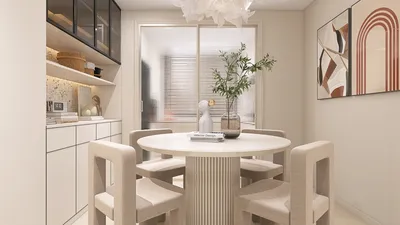
Furniture Configuration: A 60-inch round table supports group dining, while outdoor seating modules are scaled to 30 inches to preserve accessible pathways.
Overall Assessment: This setup balances the speed of hospitality with the warmth of domestic life—future trips will seamlessly transition through well-planned spaces.
save pin
Final Thoughts
The Marriott Timber Lodge’s three-bedroom floor plan resembles a mountain operating system: it includes pods for sleeping, a spine for social interaction, and a terrace that expands the living interface. As the demand for multipurpose accommodations rises, layouts for three-bedroom resorts and family-oriented condos must embody flexibility without sacrificing tranquility. In the long run, I envision vacation spaces evolving toward modular navigation rather than mere square footage. From my perspective, the most intelligent homes of the future won't necessarily be larger, but they will be designed with greater intent and purpose, aided by tools like Homestyler to visualize and implement these concepts.

Minimalist Walnut Round Dining Table 3D Model

Modern Oak Metal Round Dining Table 3D Model

Modern Solid Wood Top Black Metal Cross Leg Dining Table 3D Model
Homestyler is your go-to online home design platform, perfect for anyone looking to create stunning interiors. With its user-friendly design tool, impressive 3D renderings, and a wealth of DIY video tutorials, you'll find everything you need to transform your space effortlessly. Dive into endless design possibilities today!
立即免费设计
































