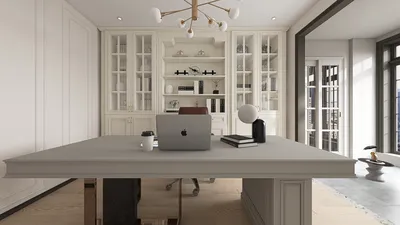


Throughout my decade-long journey as an interior designer, I have observed a fascinating trend: small spaces often spark remarkable creativity. The entertainment wall has emerged as the centerpiece of contemporary living rooms, embodying both aesthetics and functionality. In this article, I will present 10 innovative entertainment wall concepts for living rooms, intertwining my design experiences with current trends and professional insights. Whether you reside in a cozy apartment or a spacious open-plan area, you will discover inspiration that demonstrates how limitations can lead to ingenious design solutions, especially with tools like Homestyler.
1. Minimalist Floating Shelves
My Perspective: I truly appreciate how floating shelves lend an airy vibe to a space. In one instance, I revamped a narrow living room by replacing cumbersome cabinets with elegant floating shelves, instantly creating a more open atmosphere.
Benefits: Ideal for displaying curated items; enhances a sleek, minimalist living room aesthetic; maximizes floor area, making the space feel larger. Research from Interior Design Magazine indicates that floating shelves can enhance perceived space by as much as 15%.
Drawbacks: Limited storage capacity requiring frequent dusting; not the best choice for heavy devices.
Suggestion: Incorporate hidden cable channels for a streamlined look—similar to the minimalist storage design I implemented in a recent project using Homestyler.
2. Tailor-Made Built-In Cabinetry
My Perspective: For a client with diverse tastes, we constructed a floor-to-ceiling wall unit that functioned as a library too. This created a cohesive centerpiece that united the living room.
Benefits: Allows for customized storage solutions; integrates lighting, soundproofing elements, and display niches; enhances property value.
Drawbacks: Higher initial investment; less adaptable for future redesigns.
3. Textured Wall Panels
My Perspective: Incorporating wood slats or 3D panels behind the TV adds layers, particularly in monochromatic spaces. This technique is among my favorite for elevating sophistication without overcrowding.
Benefits: Enhances sound quality; introduces architectural interest; works beautifully with concealed LED strips for ambient lighting.
Drawbacks: Can be difficult to maintain; risk of becoming outdated if excessively styled or chosen based on fleeting trends.
4. Integrated Fireplace Feature
My Perspective: In a mountain retreat, we positioned the entertainment wall around a sleek gas fireplace—harmonizing warmth and modernity.
Benefits: Establishes a cozy focal point; complements both rustic and modern designs; evokes both visual intrigue and sensory comfort.
Drawbacks: Requires specific clearance for installation and can be costly; safety must be considered, especially in homes with young children.
5. Artistic Gallery-Style Media Wall
My Perspective: Crafting a gallery wall above and around the television can dramatically alter the room's ambience. I designed this for an art enthusiast who wanted to blend her artwork with everyday media usage.
Benefits: Personalizes the space; disguises the television; allows for a mix of frames, paintings, and photographs.
Drawbacks: Could lead to visual clutter if not curated wisely.
6. Concealed TV Mechanisms
My Perspective: In a micro-apartment project, we cleverly hid the TV behind sliding art panels. Visitors were often unaware of the entertainment system tucked away inside.
Benefits: Maintains an elegant, uncluttered appearance; ideal for versatile spaces; safeguards devices from dust accumulation.
Drawbacks: Higher costs for mechanics and installation; moving parts may need regular upkeep.
Suggestion: Pair hidden mechanisms with modular joinery—akin to the layout concepts I employed in compact designs using Homestyler.
7. Striking Statement Wall with Vibrant Color
My Perspective: Opting for paint is one of the most economical ways to refresh a space. I particularly enjoy deep navy or charcoal as a backdrop for the TV, minimizing glare while allowing the screen to integrate harmoniously.
Benefits: Quick and budget-friendly; simple to adjust; visually anchors the media center.
Drawbacks: Bold hues might dominate smaller areas if not balanced with lighter shades elsewhere.
8. Combination of Open and Closed Storage
My Perspective: For families, blending open shelving for display with closed cabinetry for storage presents a perfect solution. I recently integrated this in a Scandinavian-style renovation.
Benefits: Harmonizes aesthetics with functional storage; excellent for concealing tech equipment while still maintaining style.
Drawbacks: Requires careful planning to avoid an uncoordinated appearance.
Suggestion: Use oversized handles or push-to-open mechanisms for a clean, streamlined design—much like the wood accents that impart warmth in cabinetry-rich environments.
9. LED Accent Lighting
My Perspective: I frequently incorporate LED strips beneath shelves or behind panels to enhance depth and create an inviting atmosphere, particularly in evenings.
Benefits: Energy-efficient; accentuates architectural features; provides flexibility for mood lighting.
Drawbacks: Substandard LEDs may flicker or discolor; concealed wiring solutions might be necessary.
10. Furniture with Multitasking Capability
My Perspective: In smaller living areas, having an entertainment unit that functions as a desk or dining console can be transformative.
Benefits: Space-saving; encourages multifunctional living; ideal for apartments or open layouts.
Drawbacks: May necessitate compromises in optimal design for individual functions.
Conclusion
A compact living area doesn’t limit your creative options—instead, it serves as an ideal chance to design intelligently. With solutions ranging from streamlined floating shelves to impactful statement walls, the right entertainment wall can dramatically enhance your living experience. Insights from Houzz indicate that well-planned focal points considerably elevate user satisfaction with living spaces. Which of these 10 innovative entertainment wall ideas are you eager to explore first, potentially using Homestyler for visualization?
FAQ
1. What materials work best for constructing a living room entertainment wall?
Durable woods, MDF with veneer, and PVC panels are popular choices. Selection should depend on budget, aesthetic preferences, and maintenance considerations.
2. How can I conceal cables within my entertainment wall?
Utilize built-in conduits or channels within the wall structure. Many designers, including myself, endorse integrated cable management for a polished appearance.
3. Is it feasible to incorporate a fireplace into an entertainment wall?
Yes, but it's essential to verify building regulations and ventilation requirements. Consulting with a licensed professional is recommended for safety.
4. Are LEDs positioned behind the TV beneficial for eye health?
The American Academy of Ophthalmology suggests that bias lighting can alleviate eye strain, particularly in dimly lit rooms.
5. What is the most budget-conscious entertainment wall idea?
A striking paint color or well-placed shelving can be both cost-effective and impactful.
6. How can I create the illusion of a larger living room?
Opt for floating furniture, slender profiles, and reflective surfaces to enhance the perception of space.
7. Is it possible to blend my desk within my entertainment wall design?
Definitely. Multi-functional designs are increasingly popular in compact urban environments.
8. How can I effectively balance open and closed storage options?
Adhere to the 60/40 rule: approximately 60% closed for clutter concealment and 40% open for display—this maintains a tidy yet lived-in aesthetic.
Homestyler is your go-to online home design platform! With its user-friendly design tool, stunning 3D renderings, and a wealth of inspiring design projects and video tutorials, you can easily transform your space and unleash your creativity. Start designing today!
Zaprojektuj teraz za darmo
































