

In my experience, encountering a client’s disorganized cabinet packed with DVDs, with covers askew, underscored the need for innovative solutions in confined spaces. This scenario highlighted that compact areas often inspire unique ideas. For anyone tackling similar challenges, I recommend measuring meticulously and utilizing 3D visualization through tools like Homestyler before commencing any shelving project. Embracing these constraints can fuel creativity, and here are five strategies that work brilliantly in small living rooms, snug corridors, and versatile furniture layouts.
1. Slim vertical wall pockets
Imagine a magazine rack, purpose-built for DVDs: vertical, wall-mounted pockets allow for convenient disc storage while conserving floor space. These options are budget-friendly and simple to set up, ensuring spines remain visible for rapid access; however, dust collection is a consideration unless you opt for covered designs, where precise alignment becomes essential.
2. Repurpose a shallow kitchen or hallway cabinet
Don't underestimate the power of shallow cabinets; they provide an ideal solution for side-by-side DVD case storage. I once transformed the top shelf of a client’s kitchen pantry into a chic DVD nook— a clever and stylish alternative. Just ensure it’s away from moisture sources like sinks, and consider implementing a slender divider for neat organization.
3. Ottoman or bench with hidden compartments
An ottoman that doubles as a storage unit offers both seating and an inconspicuous place to stash media—perfect for areas where clutter needs to be concealed, such as living rooms or bedrooms. The trade-off here is accessibility; you’ll need to lift the lid, and organizing with smaller boxes can prevent discs from cascading out when accessed. I often find it beneficial to create a quick visual layout using Homestyler to imagine how a kitchen-sized media shelf could adapt into more compact seating solutions.
4. Binder sleeves and slim archival boxes
If you’re willing to part with clunky jewel cases, consider binder sleeves to condense hundreds of DVDs into a slim profile on a shelf. Although this approach is space-efficient, it may lack visual appeal; I suggest keeping a selection of favorite titles in cases for decorative purposes, while the rest can be safely stored in labeled binders.
5. Built-in media alcove or sliding-panel wall
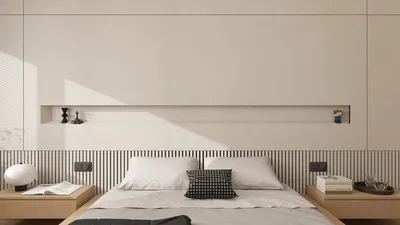
Wherever possible, I design a recessed media alcove featuring vertical compartments for DVDs or sleek built-in shelving concealed behind living room panels—this not only grants a custom feel but also conserves floor space. While it may be a more expensive endeavor necessitating a carpenter's expertise, the refined aesthetic is worth it; for arranging walls and niches, I often refer to diverse room planning inspirations to fine-tune proportions and sightlines.
Tips 1:
Implement an effective labeling system. A straightforward approach to labeling not only saves time but also ensures your compact solutions feel deliberate. Additionally, utilize non-abrasive dividers to prevent scratching cases during insertion and removal.
FAQ
Q1: What’s the best way to store DVDs in a small apartment?
Maximize space by storing them vertically using slim racks, binders, or shallow cabinets. Keep them away from direct sunlight and heat sources to avoid warping.
Q2: Can I use a bookshelf for DVDs in a tight space?
Absolutely—opt for narrow shelves or incorporate vertical dividers to prevent wasted depth. Floating shelves serve as an excellent solution for freeing up floor space.
Q3: Are binder sleeves safe for long-term DVD storage?
Binder sleeves are space-saving and protective if you choose archival-quality, non-PVC options. The downside is sacrificing the original packaging and attractive spines.
Q4: How do I protect DVDs from humidity and heat?
Ensure DVDs are stored in cool, dry, and stable environments, away from windows and heat sources. The Library of Congress suggests maintaining moderate conditions to slow degradation.
Q5: Any tips for organizing when I have hundreds of discs?
Prioritize organization by frequency of use: keep daily favorites easily accessible while storing less frequently used items in binders or boxes. Label your shelves and maintain a simple inventory list; a photo grid on your smartphone works wonders.
Q6: Can furniture with hidden storage damage DVDs?
Provided the compartments are stable and lined, they’re suitable for storage; avoid damp or excessively hot areas and use small dividers to keep discs from shifting. A soft lining can help prevent scratches and minimize rattling.
Q7: Is it worth building a custom media alcove?
Investing in custom alcoves is worthwhile if you prioritize aesthetics and have the budget—it enhances visual appeal and storage efficiency, though it might come with a higher cost and lead time compared to off-the-shelf options.
Q8: How can I make DVD storage look decorative?
Blend cases with decorative elements or display a few aesthetic cases prominently. Placing spines behind frosted glass panels also offers a tidy appearance. Small adjustments like uniform labels or matching storage containers can transform functional storage into attractive decor.
Discover the ease of home design with Homestyler! This user-friendly platform offers a powerful online design tool, stunning 3D renderings, and a wealth of DIY video tutorials. Whether you're a beginner or a seasoned designer, Homestyler makes transforming your space effortless and inspiring!
Design jetzt kostenlos
































