


The future is evolving with multi-generational living and remote work routines, while many current homes struggle with issues of privacy, storage, and noise. This tension informs my perspective as I interpret design needs akin to coding. According to AIA reports, homeowners are shifting their priorities toward adaptable spaces and stronger connections to the outdoors in the wake of the pandemic. This trend indicates an independent duplex house plan is emerging, adapting to new lifestyle requirements. Here’s how I conceptualize this, utilizing a spatial reasoning toolkit: the design must channel attention, time, and energy in a systematized manner, much like a high-functioning interface.
Garden-Stacked Duplex with Split Entries
Design Concept: This design features two vertically stacked units, each with its own entry point from the street and garden. This separation maintains daily routines while maximizing shared infrastructure efficiency—future households require distinct pathways to avoid conflicts.
Flow: Entry→mudroom→central kitchen→living area→sleep quarters; guests traverse through a distinct path without intruding on private spaces, while service routes operate seamlessly like background functions.
Sightlines: From the entrance, there’s a clear view to a daylight wall, and diagonally towards the garden; privacy levels intensify nearer to the bedrooms, similar to organized folders.
Storage: Incorporating spaces like a stair-under pantry, wall-deep linen shelves, and outdoor equipment lockers—storing essentials nearby minimizes retrieval time.
Furniture Arrangement: Dining areas should maintain a clearance of 36–42 inches while living spaces span 9–10 feet for flexible furniture arrangements; bedroom spaces must accommodate a queen bed plus 30 inches for side tables—ensuring the design aligns with human comfort and usability.
Conclusion: This duplex stack design promotes a tranquil, low-friction environment that supports two lifestyles operating in tandem while sharing essential utilities and landscape features, forming a subtle backbone.
save pin
Side-by-Side Duplex with Shared Services Spine
Design Concept: The units mirror each other with a substantial service bar in between—housing laundry, bathrooms, and mechanical elements—thereby trapping noise within the central spine and preserving serenity at the edges; future enhancements can be integrated easily like hot-swappable technology.
Flow: From the porch to an entry foyer, leading to an open kitchen and living area, then to a pocket study and rear terrace; child-friendly zones direct energy towards the back, while adult areas remain focused at the front.
Sightlines: From the foyer to a wall of windows, and down the terrace axis, creating a transition from public space to intimate settings—visual clutter is avoided through thoughtful design layers.
Storage: Implementing a full-height utility wall, bench with cubbies at entries, and seasonal attic storage—organizing storage hierarchically from daily needs to annual items.
Furniture Arrangement: With 11–12 feet of living width, flexible seating options work well alongside entertainment setups; adaptable tables can transition between dining and creative workspaces.
Conclusion: This duplex design is both robust and clear, resembling exemplary code that is understandable, maintainable, and future-ready for energy and technology advancements.
save pin
Courtyard-Duplex with Offset Levels
Design Concept: The units intertwine around a light-filled courtyard; staggered levels provide privacy while maintaining close proximity—tomorrow's families will seek closeness balanced with quietness.
Flow: Side entry→shared courtyard (acting as a social buffer)→private doors→split staircase→quiet outdoor decks; circulation operates like a branching algorithm, offering variety in movement.
Sightlines: Layered approaches, where courtyard greenery serves as the primary interface, complemented by cross-ventilating windows and selectively trimmed neighbor views.
Storage: Features include benches that conceal storage, bike spaces near the entrance, and deep drawers in kitchens—accessing storage at various points ensures surfaces remain uncluttered.
Furniture Arrangement: Designed for a six-seater table, bedrooms can hold a queen bed alongside desk spaces, while built-in shelving enhances living areas—achieving precise measurements for optimal use.
Conclusion: This layout creates a balance between social interaction and privacy, where light functions as the guiding principle, allowing each unit to negotiate seclusion through strategic level changes rather than walls.
save pin
Final Takeaway
An independent duplex design transcends simply increasing space; it’s about enhancing intentionality—two distinct systems sharing a cohesive structure. Variations such as duplex home design, multi-generational living, and rental-ready configurations follow this logic, addressing needs like acoustic separation and future ADU (Accessory Dwelling Unit) capabilities. From my observations, the most advanced homes of the future will not necessarily be larger, but rather more purposeful; what I consistently see in my designs is that small spatial choices fundamentally alter how individuals experience their living environments. Tools like Homestyler can aid in visualizing these concepts effectively, empowering homeowners to create their ideal spaces.
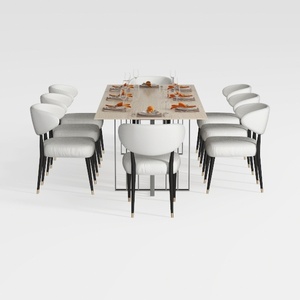
GarveeHome Natural Rattan Dining Chairs Set of 2

Modern Marble Top Solid Wood Console Table With Decorative Accents 3D Model
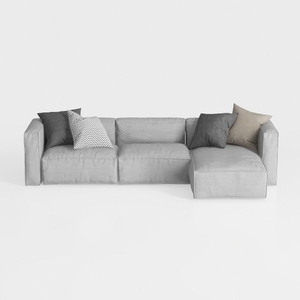
Minimalist Light Gray Fabric L Shaped Sectional Sofa 3D Model
Discover Homestyler, the ultimate online home design platform! With its easy-to-use design tool, stunning 3D renderings, and a wealth of inspiring design projects and video tutorials, you can effortlessly transform your space into your dream home. Start designing today!
今すぐ无料でデザイン
































