

I once attempted a clever DIY project by installing a UV-C strip above a cabinet without any protective shield — the result was that I woke up the following morning looking significantly aged due to squinting at the harsh light. This incident occurred on a compact studio project where every square inch was vital, and that near-failure taught me to approach UV as a design element instead of just a novelty. For this small space endeavor, I ended up simulating the entire layout using modeling to evaluate placement and safety prior to installation: my experience with that diminutive studio demonstrated more about circulation and concealment than any theoretical text could offer.
1. UV-C Drawer Box for Phones and Keys
I crafted simple plywood boxes lined with reflective foil and equipped with a compact UV-C bulb to create a secure sterilization space for phones, keys, and masks. This solution is affordable, discreet, and works great for entryway consoles in micro-apartments — just don't forget to include an interlock switch to prevent the light from being activated while the box is open. The final product promotes a tidy habit that becomes noticeable only when needed, although managing tidy wiring and adhering to electrical safety regulations is essential.
save pin
2. Under-Cabinet UV Strip for Sink Zones
When working on compact kitchens, I concealed low-intensity UV-C strips beneath upper cabinets directed at a closed, vented chamber to dry and sanitize sponges and brushes. This is an effective strategy to reclaim vertical space while minimizing countertop clutter; however, care must be taken to avoid direct exposure and to employ timers or motion sensors to avert accidental activation. I tested this setup during a small renovation and found that pairing it with an exhaust vent prevents ozone accumulation.
save pin
3. Closet UV Shelf for Clothes Rotation
Closets are often neglected, yet they hold untapped potential; a removable UV shelf allows you to sanitize seasonal garments between wear without bulky machinery. In one instance, I installed a compact UV system on a shelf that folds out as needed — it saves space while keeping fabrics fresher between washes. However, a drawback is that certain fabrics are sensitive: delicate materials and dyes can fade, so I always advise conducting a spot test and using shorter, lower-intensity cycles.
save pin
4. Portable UV Wand with a Docking Station
My design clients appreciate the versatility of a handheld wand that fits into a charging dock mounted on a slim wall shelf. This tool is perfect for quick touch-ups on surfaces in bathrooms and on doorknobs, all while the dock keeps it charged without taking up much space. Although wands are excellent for quick tasks, their effectiveness hinges on user variability — inconsistent speed or distance can yield uneven results, so I provide clients with a guide on appropriate speed, overlap, and safe storage.
save pin
5. Concealed UV Cabinet for Bathroom Essentials
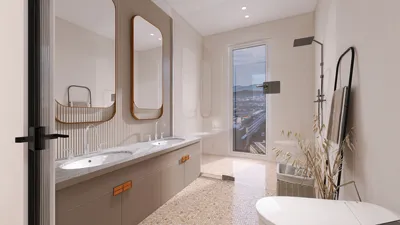
Bathrooms may be small, but they can have a significant impact; I designed a sleek mirrored cabinet with a sealed UV chamber for essentials like toothbrushes, razors, and makeup tools. This approach keeps counters tidy and exudes elegance, seamlessly integrating technology with aesthetic choices — chrome and back-painted glass effectively hide the tech components. While installation can be more costly than a DIY solution, the end result functions as a refined appliance rather than an unsightly gadget crammed into a corner.
save pin
FAQ
Q1: Is DIY UV light effective for eliminating germs?
A1: UV-C light can deactivate various bacteria and viruses on surfaces if used correctly concerning wavelength, dosage, and exposure duration. Its efficacy hinges on distance, exposure time, and surface shadows; it is not a one-size-fits-all solution for heavily soiled objects.
Q2: Are DIY UV projects safe?
A2: They can be safe if appropriately enclosed, interlocked, and ventilated; it is crucial to prevent skin or eye exposure, utilize timers, and include warning labels. If you have doubts about wiring or safety interlocks, consult a licensed electrician.
Q3: Can I use UV-C around fabrics and finishes?
A3: Prolonged UV-C exposure may cause fading of dyes and deterioration of certain plastics or finishes, so testing on a hidden area is essential. To protect delicate items, limit exposure durations and opt for lower intensity cycles.
Q4: What’s the optimal placement for a small UV sterilizer in a tiny home?
A4: Ideal spots include entryway consoles, hidden drawers, or compact bathroom cabinets, as they allow for centralized storage without sacrificing floor space. I frequently create digital mockups to prototype placements before installation — during my kitchen mockup testing, access and circulation became significantly clearer.
Q5: What is the cost of a DIY UV setup?
A5: Basic DIY boxes and small bulbs can be found for under $50, while integrated cabinets or professional-grade models may reach several hundred dollars. It's feasible to remain budget-friendly, but always consider expenses for safe switches, appropriate bulbs, and potential ventilation to avoid ozone while ensuring reliability.
Q6: Are special bulbs necessary?
A6: Yes — it’s essential to use bulbs specifically rated for germicidal UV-C at suitable wavelengths (usually around 254 nm) and to follow manufacturer guidelines for lifespan and disposal. Do not replace them with visible light or UV-A bulbs, as they do not provide the same germicidal effectiveness.
Q7: Can UV create ozone or other hazards?
A7: Some UV devices can produce ozone, which is harmful to the lungs; thus, selecting low-ozone products or ensuring adequate ventilation is crucial. Always abide by product specifications and avoid operating ozone-generating devices in occupied spaces.
Q8: Where can I find reliable resources on UV germicidal use?
A8: For reliable information, refer to the CDC’s overview of ultraviolet germicidal irradiation and environmental controls for preventing infections: https://www.cdc.gov/infectioncontrol/guidelines/environmental/appendix/air.html. They provide engineering and safety recommendations that are fundamental to safe design and usage.
save pin
Discover the ease of home design with Homestyler! This user-friendly platform offers a powerful online design tool, stunning 3D renderings, and a wealth of design projects and DIY video tutorials. Whether you're a beginner or an experienced designer, Homestyler brings your vision to life effortlessly!
Desain sekarang Gratis
































