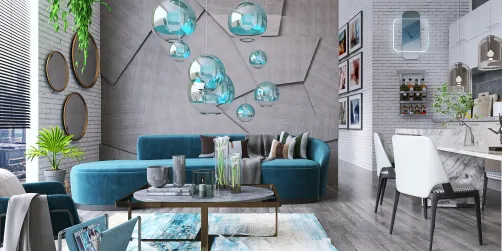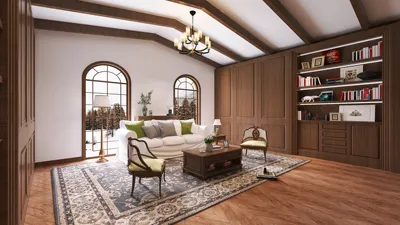



In a past project, I collaborated with a client who envisioned a sensory room that also served as a reading nook, but with a unique requirement: it had to remain hidden from guests. To achieve this, I implemented a retractable curtain system along with soft LED lighting, and I created a visual planning demo using a tool called Homestyler to illustrate how this could be realized successfully.
Navigating small spaces necessitates thoughtful decisions; when there's limited room to spread out, the emphasis shifts to layering textures, effective lighting, and motion. Here are five DIY sensory room concepts that I have successfully applied in real projects, complete with quick tips on effective elements and potential pitfalls.
1. Multi-texture Cozy Corner
Construct an inviting corner filled with diverse tactile elements such as a plush beanbag, a faux fur throw, and a tactile board mounted on the wall featuring Velcro patches and soft brushes. This setup is economical to assemble and provides immediate comfort, although it is important to regularly wash the fabrics and be cautious as some textures may overwhelm individuals with heightened tactile sensitivity.
Tip: Opt for two primary textures paired with one unexpected element to ensure the space feels rich without becoming chaotic.
save pin
2. Soft Lighting Gradient
Replace harsh overhead lighting with a gradient of illumination created by dimmable LEDs, salt lamps, and perhaps a small lava lamp or projector. Soft transitions in color can help balance mood, but avoid overly saturated colors during longer use periods.
Budget note: investing in a quality dimmer and smart bulbs can yield significant benefits for under $100.
save pin
3. Compact Movement Zone
A tiny room can also incorporate a small movement area: think about a low swing, a floor bubble mat, or resistance bands attached to a beam, which provide essential vestibular and proprioceptive input. Safety is paramount — make sure of secure anchors and soft landing zones to prevent accidents.
To visualize this setup before purchasing equipment, using a tool like Homestyler can assist in detailing the layout example, ensuring adequate space and flow so the area doesn’t feel confined.
save pin
4. Interactive Sound Wall
Install a wooden board equipped with touch-activated chimes, a rainstick, and a soft speaker playing nature sounds. Sound walls are excellent for enhancing focus; however, it's wise to maintain volume limits and have headphone options available for those sensitive to noise.
Pro tip: use simple icons to label textures and sounds, promoting predictable interactions.
save pin
5. Convertible Sensory Pod
Create a convertible sensory pod utilizing a folding screen, blackout fabric, and interchangeable elements such as weighted blankets and aromatherapy bags. This design allows for a swift transition from a vibrant play area to a soothing cocoon. However, keen attention should be paid to ventilation and cleaning, so consider incorporating removable liners and air flow openings.
Before finalizing finishes, I prefer to construct a prototype to evaluate sizes and sightlines — a realistic 3D representation using a program like Homestyler can be invaluable in saving time and resources when sourcing materials.
save pin
FAQ
What is the estimated cost for crafting a DIY sensory room? The costs can vary widely, but a basic DIY setup can start around $150–$500 using thrifted items alongside several key purchases such as LED strips and a beanbag.
What essential items should I include? Focus on acquiring soft seating, adjustable lighting, and at least one movement or tactile feature; additional enhancements like sound devices and aromatherapy elements are beneficial but not strictly essential.
Is it feasible to create a sensory room within a studio apartment? Absolutely — prioritize vertical storage solutions, folding elements, and a dedicated multifunctional zone serving both relaxation and play.
Are sensory rooms safe for children? Generally, they are safe with appropriate supervision and secure anchors; be mindful of small choking hazards and ensure that swing mounts adhere to weight and installation standards.
How do I select textures considering sensory sensitivity? Begin with soft, non-irritating materials and gradually introduce new textures while monitoring responses; keep alternative options readily available.
Do aromatherapy and lighting genuinely contribute to well-being? Many individuals report positive effects; select low-dose, hypoallergenic scents and test various lighting arrangements for comfort. If you require expert advice, consulting an occupational therapist is advisable.
Where can I find reliable guidelines or professional input? For credible advice on sensory interventions, visit the American Occupational Therapy Association (AOTA) at https://www.aota.org for best practices and safety tips.
Is it possible to merge sensory design with standard decor? Certainly — utilizing modular elements and hidden storage allows a sensory room to also function seamlessly as a guest space or home office when necessary.
Homestyler's roots trace back to Autodesk, the global leader in design and engineering software. That heritage lives on in every feature we build. Today, with a community of more than 20+ million registered users (platform data, 2026) worldwide, Homestyler continues to make professional-quality interior design accessible to everyone — from first-time decorators to seasoned architects.
Homestyler is your go-to online home design platform, perfect for transforming your ideas into reality. With an intuitive design tool, stunning 3D renderings, a vast collection of design projects, and helpful video tutorials, creating your dream space has never been easier!
Design Now for FREE






















![Design [1]](https://hs-designs.homestyler.com/production/design/images/87c3311f-b762-48e5-aa6c-2a61ff42aaa8/1731347951087/7837764.jpg?x-oss-process=image/resize,w_502,m_mfit/format,webp)