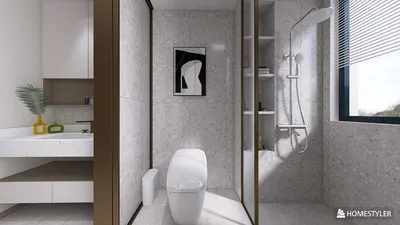


A client once shared a unique request for a door screen that could serve both as a message board and a play area for their cat. I chuckled at first, but it inspired me to explore the possibilities. This amusing incident highlighted that a compact doorway can lead to innovative concepts, emphasizing the necessity of accurate measurements. Now, I always follow a door measurement guide before starting any project.
When dealing with limited spaces, creativity thrives. A DIY screen for your door can be an elegant, cost-effective, and functional solution. Below, I've compiled five different designs that I have either constructed or recommended, detailing their advantages, potential challenges, and advice for a seamless project.
1. Magnetic Retractable Screen
I am quite fond of retractable screens for main entrances as they conveniently retract when not in use. The magnetic strip quickly adheres to the door frame, making for a hassle-free and neat installation.
Advantages: It minimizes visual clutter, making it ideal for rental properties. Challenges: precise alignment is essential; if the magnets are misaligned, gaps may occur. Tip: Test the alignment using cardboard before permanent installation, and consider a heavy-duty cassette for doors with high traffic.
save pin
2. Framed Mesh Panel with Decorative Trim
This method takes on a more 'furniture-like' aesthetic: create a slim wooden frame, stretch insect mesh across it, and add a decorative trim that complements your door. For a past project, I used cedar, which added warmth and made the screen look more tailored.
Advantages: You can customize the finishes and it’s easy to make repairs if the mesh happens to tear. Disadvantages: It can be heavier and requires robust hinges. Budget Tip: Opt for pine for more affordable builds, and ensure it’s sealed if it will face the exterior.
save pin
3. Beaded Curtain with Mesh Backing
For a fun and airy feel, you can pair a lightweight mesh backing with a beaded front. The mesh keeps insects at bay while the beaded layer adds movement and flair. I installed this in a sunroom where the client wanted a bohemian touch.
Key tip: Secure the mesh to the frame to avoid interference with the beads. While this design is visually delightful, it’s slightly more fragile and might not be suitable for homes with rambunctious pets. To better fit screens in tight spaces, I often utilize a clear space planning example during consultations.
save pin
4. Sliding Panel Screen (Barn-Door Style)
Sliding screens work wonderfully in areas where there isn’t enough room for swinging doors. I typically use a slim metal track along with a lightweight fabric or mesh panel that slides smoothly across the opening.
Pros: No door clearance is required, giving it a modern look. Cons: The cost for hardware might run higher, and precise leveling of the track is essential. Pro tip: Utilizing an anti-derail clip at the bottom is a smart move to make it pet-resistant.
save pin
5. Pet-Friendly Screen with Kick Plate and Reinforced Mesh
For pet owners, using reinforced fiberglass mesh combined with a small kick plate at the bottom can be a game-changer. I created this design for a client with a Labrador who craved ventilation without the hassle of constant mesh repairs.
Benefits include durability and protection from claws, although there’s a slight trade-off with transparency. If airflow is crucial, you might also consider integrating louvers or a transom screen for enhanced ventilation.
save pin
FAQ
Q1: What materials are optimal for a DIY door screen?
A1: Generally, fiberglass mesh is flexible and resistant to tearing; aluminum mesh is ideal when extra strength is required. Common frame materials include wood or aluminum, depending on the elements they’ll be exposed to.
Q2: Can I attach a DIY screen to any type of door?
A2: Most doors can accommodate a screen with the appropriate hardware — retractable models for tight spaces, sliding screens for restricted swing areas, and framed panels for sturdier options. Always check the clearances on hinges and trims beforehand.
Q3: How can I prevent pets from ruining the screen?
A3: Opt for reinforced mesh, include a kick plate, and consider adding a secondary barrier, like a small pet gate. While training is beneficial, using high-quality materials provides the best defense.
Q4: Do retractable screens effectively allow light and air flow?
A4: Absolutely — retractable systems utilize fine mesh that maintains airflow and visibility; the cassette neatly conceals the screen when not in use.
Q5: Are DIY screens suitable for outdoor exposure?
A5: Provided you choose the right materials (such as treated wood, aluminum, or stainless screws) and use sealant correctly, DIY screens can endure the elements. Routine maintenance will prolong their lifespan.
Q6: What financial investment should I plan for a DIY screen project?
A6: Simple projects utilizing mesh and frame can cost under $50, whereas high-quality retractable screens or those with metal tracks generally range from $150 to $400 depending on size and hardware requirements.
Q7: Where can I obtain reliable installation instructions?
A7: The best resources are manufacturer guides for the hardware, and many professional design sites provide comprehensive step-by-step tutorials. For safety protocols and measurements, always refer to trusted planning references.
Q8: Do screens contribute to improved indoor air quality or pest management?
A8: Indeed. The U.S. Centers for Disease Control and Prevention (CDC) states that physical barriers like well-fitted screens can reduce pest invasions and are integral to effective pest control strategies (CDC, Environmental Health).
save pin
Built on technology originally developed at Autodesk, Homestyler empowers anyone to design beautiful, realistic spaces in minutes. Join over 18 million users who have already discovered a smarter way to plan, visualize, and bring their dream homes to life — all from the comfort of a browser.
Homestyler is your go-to online home design platform! With its user-friendly design tool, stunning 3D renderings, and a wealth of DIY video tutorials, you can effortlessly create and visualize your dream spaces. Transform your home design journey today with Homestyler!
Progetta ora GRATIS
































