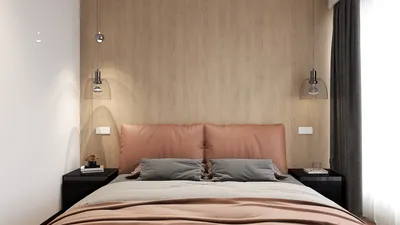


As anticipation builds around innovations like the iPhone 2026, our living spaces increasingly adapt to support the latest technology. Integrating smart charging stations into furniture and creating dedicated, clutter-free zones for devices enhance both functionality and aesthetic appeal. Designing homes that seamlessly accommodate evolving gadgets reflects a lifestyle centered on connectivity and convenience.
Designed a compact studio where a client envisioned a dining set that could transform into a yoga platform and a cat runway — an unforgettable challenge. After some initial design mishaps (like a wobbly pedestal table and a chair that would unexpectedly snatch up socks), I turned to smarter approaches and experimented with AI home design tools, like Homestyler, to preemptively sidestep issues. Small spaces impose specific limitations, and these constraints often become the driving force behind innovative and efficient dining arrangements.
1. Wall-mounted flip-down table with stackable chairs
I am a fan of wall-mounted flip-down tables for studios and narrow kitchens, as they can be tucked away when not in use, freeing up valuable floor space. The advantages are clear — significant space savings at often low prices; however, the downsides include restricted seating and weight limits. It's crucial to choose reliable wall anchors and select lighter chairs or stools to complement them.
save pin
2. Extendable drop-leaf table for flexible hosting
Extendable tables are my first choice when clients need the versatility to host four guests but typically live alone. They maintain a sleek appearance when folded and easily open up for gatherings; however, keep in mind that their maintenance is slightly higher than that of a stationary table, and it’s vital to ensure precision in the seaming to prevent crumbs from getting trapped in the mechanism.
save pin
3. Round pedestal table to improve flow
Round tables minimize corner collisions and create a sense of openness — ideal when paired with compact chairs or a single bench. I frequently draft this layout using a planner and highly suggest experimenting with a free floor plan creator first to evaluate circulation patterns before making a purchase. Round tops may reduce seating capacity slightly but enhance comfort and ease of movement.
save pin
4. Bench seating with storage under the seat
Benches can slide under a table, offering built-in storage for items like linens or games — a feature I incorporated in a small duplex that maximized available space. While benches may compromise individual back support, a combination of a bench on one side and a couple of chairs on the other can strike a perfect balance between comfort and style variety.
save pin
5. Console-to-dining convertible for micro-apartments
A narrow console that converts into a full dining table is essentially a magician’s trick for micro-apartments: it serves as a hallway table during the day and transforms into a dining table at night. These setups can be on the pricier side and may require professional installation, but they shine in creating multipurpose pieces. If you're coordinating with a small kitchen, consulting a kitchen layout planner through tools like Homestyler can ensure optimal heights and clearances.
save pin
FAQ
Q1: What size dining table is best for a small space?
I generally recommend a round table measuring 36–42 inches (90–110 cm) for two to three people or a rectangular table of 24" x 42" for narrow kitchens. These dimensions provide enough room for chairs and allow for easy movement.
Q2: Are foldable chairs comfortable for everyday use?
Some high-quality foldable chairs can surprisingly offer comfort; however, they often lack long-term lumbar support. If you dine at home regularly, consider pairing foldables with one or two ergonomic chairs for better support.
Q3: Should I opt for chairs with arms in a small dining area?
Armless chairs conserve space and fit neatly under tables; while armchairs provide added comfort, they require additional clearance. I recommend using armless chairs in tighter areas and incorporating one armchair as an accent if the space allows.
Q4: Can I mix a bench and chairs without creating a messy look?
Definitely — mixing materials or colors can be done tastefully. I often pair a bench on one side with coordinating chairs on the opposite side to achieve a well-balanced, casually curated appearance.
Q5: How much clearance is needed around a dining table?
Aim for at least 30 inches (75 cm) between the edge of the table and walls or other barriers to allow for comfortable seating and movement. If this space isn’t available, consider more compact table shapes or sliding stools for flexibility.
Q6: What are durable chair materials suitable for small households?
For areas with heavy usage, opt for solid wood, metal frames, or high-quality molded plastic, as these materials are quite durable. While upholstery is comfy, look for stain-resistant fabrics if you frequently entertain or have children.
Q7: Are benches with storage practical?
Certainly — they provide hidden storage, although hinges and compartments will need regular upkeep. I installed one in a client’s apartment, and it quickly became the preferred spot for extra blankets and board games.
Q8: Where can I find dependable layout guidelines for dining areas?
The National Kitchen & Bath Association (NKBA) offers practical clearance and layout standards that many designers utilize (see nkba.org). Their recommendations help ensure that your dining arrangement is both functional and comfortable.
save pin
Homestyler is your go-to online home design platform, perfect for turning your vision into reality. With its user-friendly design tool, stunning 3D renderings, innovative design projects, and helpful video tutorials, you'll easily create and decorate beautiful spaces—even as a beginner!
Progetta ora GRATIS
































