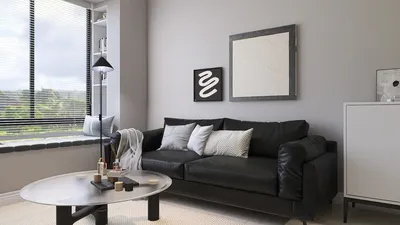


As a seasoned interior designer with over a decade of practical experience, I have discovered that living in small spaces is not about making sacrifices; instead, it’s about employing smart and aesthetically pleasing solutions. Recently, open-concept designs have gained immense popularity, and tackling the living and dining room combination stands out as one of my favorite challenges. These compact spaces often ignite significant creativity, and in this article, I will share ten innovative design strategies that blend my personal insights with expert-backed knowledge to help you develop a chic and functional shared area using tools like Homestyler.
1. Opt for Minimalist Furniture
My Experience: In a recent project, I chose a single streamlined sofa and a small dining table to maintain an open feel, which instantly made the space feel more serene. The principle of ‘less is more’ applies perfectly here.
Advantages: Minimalist furniture promotes a light atmosphere and encourages light flow, a common recommendation in small space design as noted in Houzz trend reports. It also minimizes visual clutter in a combined living-dining space.
Disadvantages: Overly minimalistic approaches can result in a space that feels cold or lacks character.
Tip: Incorporating a textured rug beneath the dining table can establish a sense of grounding in the area without overwhelming the layout. I've effectively implemented this in homes where minimalist storage solutions were pivotal to the design.
2. Delineate Areas with Rugs
My Experience: I frequently place distinct rugs under the dining and living areas to create visual separation without erecting walls. This straightforward approach effectively defines distinct spaces.
Advantages: This method fosters visual distinction, introduces warmth, and allows for the exploration of various color schemes within each zone.
Disadvantages: It's crucial to select the right rug size—too small may feel off-kilter, while too large can overpower the furniture.
Cost-Saving Tip: You don't need to invest heavily; layered budget-friendly rugs can achieve a sophisticated look.
3. Attention-Grabbing Lighting for Each Zone
My Experience: I often utilize pendant lights above the dining table along with a floor lamp adjacent to the sofa to delineate the two areas in my designs.
Advantages: Well-planned lighting zoning adds depth and can lend an upscale feel to your design. This is a technique also supported by the American Lighting Association.
Disadvantages: Wiring can pose challenges in rental properties, leading me to occasionally use plug-in fixtures that still deliver visual impact.
4. Embrace an L-Shaped Layout
My Experience: Arranging the sofa in an L-shape, with its back facing the dining area, can optimize corner spaces effectively. This design has proven particularly functional in compact apartment setups.
Advantages: This arrangement maximizes floor space while naturally separating the living and dining areas, exemplifying a classic ‘flow-friendly’ configuration for small apartments.
Disadvantages: This layout may not be suitable for elongated spaces, as it might hinder movement.
Case Study: In one project, this layout integrated seamlessly with a custom floor plan that addressed both the client's entertaining and everyday needs.
5. Consider Glass Partitions
My Experience: In a downtown studio, I opted for a half-height glass partition to subtly delineate the dining area while preserving the cityscape view.
Advantages: Glass partitions maintain the flow of light, provide a sense of separation, and can add an air of elegance to the design.
Disadvantages: They are generally pricier than simpler dividers, like rugs or shelving—but their aesthetic reward can justify the cost.
6. A Cohesive Color Scheme
My Experience: One of my favorite strategies is to use a consistent wall color throughout the living and dining spaces, as it helps maintain a cohesive feel.
Advantages: A unified color palette promotes harmony and creates the illusion of a larger space; color consistency is often recommended by design psychology to enhance calmness.
Disadvantages: It can appear monotonous if not accompanied by texture or accent colors.
7. Multifunctional Furniture Solutions
My Experience: Incorporating a dining table that doubles as a workspace has been a game-changer for many of my small-space clients, especially given the growing trend of working from home.
Advantages: This approach adds versatility to the living-dining area and decreases the necessity for additional furniture.
Disadvantages: Maintaining a clear surface for easy transitions between functions can be challenging, which may not suit everyone.
8. Utilize Vertical Storage Options
My Experience: I enjoy incorporating tall shelving units as dividers between areas—not only for storage but also as a subtle separation element. Styling these with plants can soften the overall aesthetic.
Advantages: This strategy conserves floor space, draws the eye upward, and provides extra space for decoration or necessities.
Disadvantages: If overly cluttered, tall shelving can appear imposing or obstruct views unnecessarily.
Example: I have successfully paired vertical shelves with warm wood accents to cultivate an inviting atmosphere.
9. Positioning Statement Artwork
My Experience: Placing large artwork behind the sofa and a matching piece above the dining table can visually unify the two spaces.
Advantages: Exceptional artwork adds character, serves as a focal point, and helps blend various styles across zones.
Disadvantages: If the artwork is excessively busy, it can dominate the space—scale and color choices are crucial here.
10. Flexible Seating Arrangements
My Experience: I've incorporated benches along the dining side that can seamlessly transition into the living area for guest seating—extremely useful for hosting.
Advantages: This flexibility adapts to different scenarios, and benches can be easily tucked away when not in use.
Disadvantages: They tend to be less comfortable for extended dining compared to chairs with back support.
Conclusion
Ultimately, creating a living dining room combo is all about clever and purposeful design rather than constraints. My early experiences with small kitchens encouraged me to view limitations as opportunities, a philosophy that extends to any shared area. As Elle Decor highlights, multifunctional and cohesive design elements are poised to trend in 2024. Which of these ten concepts will you explore first?
Frequently Asked Questions
1. What is the optimal layout for a living-dining room combo?
Typically, an L-shaped or parallel layout facilitates natural flow between spaces without creating a sense of overcrowding.
2. How can you effectively separate living and dining areas in a single room?
Area rugs, strategic lighting, and storage units can serve as subtle dividers without the need for walls.
3. What size rug should be used for each area?
Ensure that the rug is sufficiently large so that all key furniture legs rest on it for a cohesive appearance.
4. Is it possible to mix different styles within one space?
Absolutely, but it's vital to unify them through a consistent color palette or repeated materials.
5. How can I make a small living-dining combo appear larger?
Incorporate light colors, minimize furniture, and use mirrors to visually expand the space, as advised by Architectural Digest.
6. Should I apply the same paint color in both areas?
Yes, for a seamless flow; no, if you prefer more defined and contrasting zones.
7. Do you have any budget-friendly tips for enhancing living-dining room combinations?
Consider repurposing items, exploring secondhand options, and focusing on multifunctional furniture to cut costs.
8. Are glass partitions beneficial?
They’re excellent for retaining light and openness—particularly in urban apartments—but may incur higher costs than softer dividers.
Homestyler is your go-to online home design platform, perfect for turning your ideas into reality. With its user-friendly design tool, stunning 3D renderings, diverse design projects, and insightful video tutorials, you can effortlessly create and visualize your dream space. Transform your home effortlessly!
Design Now for FREE
































