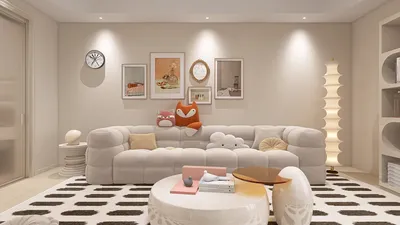


The lifestyle of the future focuses on condensing time and amplifying intentions, and yet families living on the ground floor today continue to face challenges such as congested kitchens, limited storage options, and disruptive noise from nearby spaces. To tackle this, I utilize a spatial reasoning toolkit, particularly as AIA reports indicate that post-pandemic, there is an increasing demand among U.S. households for flexible, multi-function rooms. Therefore, as I draft plans for a 30x40 2 BHK ground floor house, my goal is to interpret how the daily routines of tomorrow can be effectively integrated within the existing space. A tool like Homestyler can aid in visualizing these adaptations.
Linear Spine Layout
Design Foundation: A continuous circulation spine traverses the 30-foot axis, where rooms are connected like modular units, equipped for future adaptations of work and living spaces.
Flow: Entry leads to a foyer, followed by a living and dining area, then transitioning to the kitchen node, with two bedrooms branching off and a shared bathroom located at the spine's center.
Sightlines: The design maximizes views from the entrance to the garden, incorporating carefully controlled diagonal lines that ensure privacy while maintaining a clear understanding of space divisions.
Storage: Full-height wall units along the spine serve as clever storage solutions, featuring concealed areas for utilities and pantry columns that are 24 inches deep.
Furniture Compatibility: An 84-inch sofa, a 72 by 36-inch dining table, and queen beds with 30-inch clearance on each side create a harmonious space; smart design minimizes movement latency.
Conclusion: This spine layout is designed with the understanding that households will navigate hybrid schedules, allowing seamless transitions between quiet work, meals, and relaxation over the next five years.
save pin
Courtyard Core Layout
Design Foundation: An internal courtyard serves as both the thermal and social heart of the home, providing a stable climate and positive atmosphere within a compact space.
Flow: The design pathway begins at the entry, moving through a living ring leading to the courtyard, then to the kitchen on the sheltered side, with bedrooms at each end and a bathroom near the service wall.
Sightlines: The user interface stacks inward, with the central skylight acting as the primary information hub, while peripheral views are limited to enhance focus and tranquility.
Storage: L-shaped wardrobes and seating with built-in storage around the courtyard accommodate daily essentials, and attic lofts above wet areas provide additional space.
Furniture Compatibility: The design features a built-in banquette radius, a 30-inch workstation facing the courtyard, and platform beds with integrated storage drawers for efficiency.
Conclusion: By prioritizing natural light and airflow, this layout adapts to varying routines and seasonal changes like responsive software.
save pin
Split-Zone Quiet/Active Layout
Design Foundation: The home creates a distinct active zone at the front (living/kitchen) and a quieter zone at the rear with the bedrooms, effectively reducing noise pollution through thoughtful design.
Flow: The layout progresses from the porch through a vestibule, leading to the living room and dining area, then to the kitchen peninsula, with corridors guiding towards the bedrooms and bathroom.
Sightlines: The primary design axis remains short and clear, minimizing cross-views and treating privacy as a fundamental aspect of space utilization.
Storage: A combination of dual-depth linen towers, pullouts under the peninsula, and wall wardrobes creates a robust storage hierarchy.
Furniture Compatibility: The peninsula measures 96 inches with a 42-inch clearance, complemented by a 75-inch modular sofa and 48-inch desk spaces; tolerances align with family needs.
Conclusion: This split-zone layout organizes household activities predictably, offering lasting functionality as family dynamics involve work, study, and hosting.
save pin
## Final Thoughts
The design of 30x40 2 BHK ground floor house plans transcends merely adding rooms; it emphasizes orchestrating connections, storage solutions, and visual access akin to a well-designed interface. Variants—from the linear spine to the courtyard core—effectively translate prospective lifestyles into practical two-dimensional layouts that endure. My observations reveal that compact homes achieve remarkable livability when movement dynamics are as deliberately crafted as their building materials; I've witnessed how even minute spatial choices can profoundly transform the quality of life.

Idalia 5-Piece Light Beige Fabric Dining Set
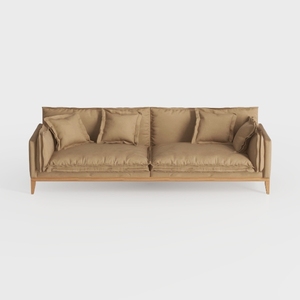

Minimalist Fabric Solid Wood 3 Seat Sofa With Throw Pillows 3D Model

Modern Minimalist Fabric Upholstered Queen Bed 3D Model
Looking to transform your home? Homestyler is your go-to online design platform! With its user-friendly design tool, stunning 3D renderings, and a wealth of DIY video tutorials, you can effortlessly create, visualize, and realize your dream space. Dive in and start designing today!
立即免费设计
































