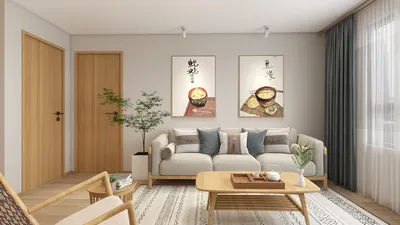


As a seasoned designer with over ten years in the field, I've noticed that today's interior design trends embrace versatility, abundant natural light, and multifunctional spaces. Small apartments are no longer seen as a challenge; in fact, designing a one-bedroom apartment can ignite tremendous creativity. Through my experience, I've found that making clever choices often outweighs the importance of square footage. In this article, I'll present ten actionable design ideas—each connected to real-life projects and supported by industry professionals—enabling you to transform your one-bedroom space. For instance, many clients begin by reconsidering the kitchenette, opting for a minimalist kitchen storage design that emphasizes uncluttered surfaces and innovative storage solutions, and utilizing tools like Homestyler can significantly enhance this process.
1. Multi-functional furnishings for living and sleeping
My Insight: I frequently recommend furniture that serves multiple purposes: a sofa that folds out into a bed or a coffee table that doubles as a dining area. For numerous clients residing in one-bedroom apartments, this represents a major shift toward comfortable, year-round living.
Advantages: Multi-purpose furniture aligns perfectly with one-bedroom apartment decoration principles by optimizing usable space and minimizing clutter. The right selections provide seating, storage, and sleeping arrangements without overwhelming the visual space with too many items.
Disadvantages: However, the compromise can sometimes mean less-than-ideal ergonomics—as some convertible sofas don’t match the comfort offered by dedicated pieces. While this can be a conversation starter at parties, testing furniture in person is crucial.
Advice: Invest in well-made mechanisms for convertible sofas and focus on hidden storage options—consider ottomans, beds with drawers, or sofas with under-seat compartments.
save pin
2. Lofted sleeping areas to maximize floor space
My Insight: In compact layouts, I've created lofted sleeping areas that transform the space below into functional zones like workspaces or lounges. I once converted a 450 sq ft unit into a stylish two-zone residence using a four-foot loft platform; clients were amazed at how spacious it felt.
Advantages: Lofted beds are a classic solution for saving space and establishing dedicated areas—essential for effective decorating of one-bedroom apartments, especially in spaces with ample ceiling height.
Disadvantages: Some buildings restrict loft installations, and others find navigating ladders inconvenient. If you're not keen on climbing, explore alternatives like raised platforms with gentle steps.
Advice: Always verify building regulations and consider incorporating storage under the lofted area to enhance investment returns.
save pin
3. Open-plan living with clearly defined zones
My Insight: I design one-bedroom layouts that promote visual flow while maintaining distinct living, dining, and sleeping zones. By utilizing rugs, lighting, and furniture arrangement, you can achieve both an open feel and clear differentiation.
Advantages: Open-plan designs help a one-bedroom apartment look larger, and incorporating decoration strategies with distinct zones aids both guests and residents in navigating the living space. This also enhances natural light distribution and social dynamics.
Disadvantages: However, noise and aromas from cooking can easily travel in open areas, so good airflow and soft furnishings for sound absorption are vital. I've often humorously noted that one project required both a dedicated range hood and a rug large enough to fit a small country.
Advice: Use a large rug to anchor the living space, a slim console at the entrance, and pendant lighting to define the dining area visually.
save pin
4. L-shaped kitchen for optimal efficiency
My Insight: I advocate for L-shaped designs in compact apartments since they create more counter space while maintaining streamlined workflow. Recently, I transformed a galley kitchen into an L shape, allowing for added prep space and room for a compact breakfast bar.
Advantages: An L-shaped kitchen layout not only opens up counter space but also complements small apartment kitchen storage solutions, making cooking and entertaining in a one-bedroom feel seamless and enjoyable. It typically allows for added base cabinets and a more efficient workflow triangle.
Disadvantages: Corner cabinets can be problematic without pull-out mechanisms—planning for lazy Susans or pull-out corner fittings is essential. While the initial investment might be higher, the enhanced usability is worth it.
Advice: Prioritize deep drawers for pots and utilize vertical rails for storing utensils and spices. Opt for compact appliances that maintain functionality while optimizing space.
save pin
5. Vertical storage and open shelf concepts
My Insight: When floor space is restricted, I always look upward. Tall cabinets, built-in shelving, and wall-mounted rails transform vertical areas into storage solutions without intruding on crucial walking space. In a recent project, the addition of floor-to-ceiling cabinets boosted usable storage by 35%.
Advantages: Vertical storage solutions resonate with one-bedroom apartment decorating tips that stress decluttering and utilizing wall space effectively. They keep surfaces tidy and enhance the impression of height and airiness in the room.
Disadvantages: However, excessive shelving can create a visually chaotic environment—finding a balance between closed and open storage is key. I often caution clients that without thoughtful styling, visible items can create an illusion of clutter.
Advice: Combine closed lower cabinets with open upper shelving for display purposes. Use coordinated baskets on open shelves to conceal smaller items while maintaining a cohesive aesthetic.
save pin
6. Glass dividers for separation without confinement
My Insight: Glass partitions, whether full or half-height, are one of my favorite techniques. They provide clients with privacy while preserving light. In a downtown project, a slim steel-framed glass wall created a cozy bedroom nook that felt inviting yet remained illuminated.
Advantages: Glass dividers maintain sightlines and daylight—an essential aspect of compact living design in one-bedroom apartments. As noted by Architectural Digest, transparent elements are increasingly popular because they achieve functional separation while maintaining a sense of openness.
Disadvantages: Glass surfaces do require regular cleaning and offer limited sound insulation. If you prefer a quieter atmosphere, you may want to add thermal curtains or acoustic panels where necessary.
Advice: Consider frosted or patterned glass for additional privacy, and utilize smart curtain systems on ceiling tracks to manage light and sound control as needed.
save pin
7. A neutral color scheme with thoughtfully placed accent hues
My Insight: Neutral backgrounds help to unify a one-bedroom apartment, while accents in artwork, cushions, and smaller furniture pieces contribute character. I typically suggest a three-color approach: a dominant neutral, a secondary shade, and a vibrant accent.
Advantages: A restrained color palette streamlines decorating choices and creates the illusion of greater space—a foundational strategy in one-bedroom apartment projects. Subtle pops of color deliver focal points without overwhelming the overall design.
Disadvantages: Excessive neutrality can make spaces feel flat—so it's important not to overlook texture. On one occasion, I utilized five different fabrics and two woods to create a dynamic neutral scheme.
Advice: Incorporate textured throws, woven rugs, and mixed-metal accents to add depth without clutter. Swap out accent pillows seasonally to refresh the decor affordably.
save pin
8. Space-saving dining and work options
My Insight: Foldable tables and wall-mounted desks allow spaces to adapt to various needs throughout the day. I once specified a Murphy-style desk for a client seeking a home office that could vanish after working hours—perfect balance!
Advantages: Foldaway furniture embodies the philosophy of small space design: only gaining functionality when required—an essential consideration for decorating one-bedroom apartments efficiently. This approach keeps pathways opened and simplifies multi-functional living.
Disadvantages: The quality of hinges and mechanisms is crucial; inexpensive options may lead to wobbling units. If opting for DIY, ensure quality hardware to prevent future issues.
Advice: Secure foldable components to wall studs for safety, and add a shelf above for frequently used items to streamline setup and breakdown.
save pin
9. Layered lighting for enhanced atmosphere
My Insight: Lighting has the power to transform compact apartments. I approach design in layers—using ambient, task, and accent lighting—allowing each zone to exude its unique character. This is something I evaluate carefully with sketches and small lighting models before final installations.
Advantages: Thoughtful lighting fosters visual zoning, enhances decor elements, and improves function—key factors in decorating one-bedroom apartments. Dimmable lighting enables quick transformations from bright daytime ambiance to cozy evening settings.
Disadvantages: The costs associated with wiring and selecting fixtures can add up, and retrofitting might be disruptive. However, I remind my clients that lighting can yield one of the highest impacts per dollar spent.
Advice: Consider slim wall sconces to save table space and under-cabinet lighting in kitchens for functionality. For significant impact, invest in an eye-catching pendant light over the dining area.
Incorporating natural materials such as wood can foster warmth while enhancing layered lighting, thus creating a serene atmosphere in apace.
save pin
10. Incorporating wood for warmth and texture
My Insight: I frequently integrate wood in floors, open shelving, or accent panels to inject tactile warmth that balances modern minimalism. Even small elements like slatted panels or butcher-block countertops can shift the ambiance to a more welcoming feel.
Advantages: Timber finishes add depth and a lived-in quality—crucial when undertaking projects that involve decorating one-bedroom apartments to avoid sterile environments. Wood pairs wonderfully with plants and textiles to deliver a nature-inspired ambiance.
Disadvantages: Authentic wood requires maintenance and can be costlier than laminate. To manage expenses, I often mix real wood in high-visibility areas while opting for engineered alternatives in less prominent places.
Advice: Select low-VOC finishes and consider engineered wood for areas prone to moisture, such as kitchens and bathrooms; a small amount of natural grain can dramatically enhance aesthetics.
Summary: Decorating a one-bedroom apartment revolves around making intentional choices—furniture that adapts, layouts that facilitate flow, and materials that impart warmth. Small living areas compel us to prioritize, cultivating a strong design discipline. According to the National Kitchen & Bath Association, highlighting ergonomics and storage early in the planning stage aligns with many of the suggestions above. Which of these ten ideas are you eager to implement in your one-bedroom apartment?
save pin
FAQ
Q1: What should be the first consideration when decorating a one-bedroom apartment?
A1: Begin with the layout and circulation—determine where essential functions (sleeping, dining, work) will occur and arrange furniture to facilitate clear movement. This foundation simplifies the styling and storage process significantly.
Q2: How can I create a sense of space in a one-bedroom apartment without remodeling?
A2: Employ a neutral color scheme, large rugs to unify areas, mirrors to reflect light, and vertical storage techniques to keep floors clear. These non-constructive strategies are quick, affordable, and impactful.
Q3: Are loft beds a practical option for most one-bedroom apartments?
A3: Loft beds can be beneficial if the ceiling height is above 8.5–9 feet and you're comfortable navigating steps. They effectively create additional living or working spaces underneath the bed.
Q4: What are some economical upgrades for storage?
A4: Integrate floating shelves, under-bed organizers, over-door racks, and budget-friendly baskets to minimize clutter. These items are easy to implement and reversible for tenants.
Q5: How should I choose lighting for small apartments?
A5: Layer your lighting scheme—ambient for overall illumination, task lighting for work areas, and accent features for ambiance. Utilize dimmers where possible to customize the atmosphere effortlessly.
Q6: Can renters apply these decorating ideas?
A6: Absolutely—focus on non-permanent solutions: freestanding furniture, removable wallpaper, peel-and-stick tiles, and surface-mounted lighting can facilitate substantial visual changes without structural alterations.
Q7: Which authoritative resources provide support for small-space kitchen planning?
A7: Reputable organizations like the National Kitchen & Bath Association (NKBA), along with publications like ArchDaily, offer practical insights and guidelines—NKBA’s recommendations resonate closely with numerous small kitchen design ideas I utilize in my work.
Q8: How can I choose materials that will age gracefully in a one-bedroom apartment?
A8: Emphasize durable, low-maintenance materials—think engineered wood floors, stain-resistant upholstery, and low-VOC paints. Balancing a few real materials (like wood or stone in focal areas) with engineered options helps manage costs and longevity.
Homestyler is an exceptional online home design platform perfect for all skill levels. With its user-friendly design tool, stunning 3D renderings, and a wealth of DIY video tutorials, you can effortlessly create and visualize your dream spaces. Let your creativity shine with Homestyler!
Concevez maintenant gratuitement
































