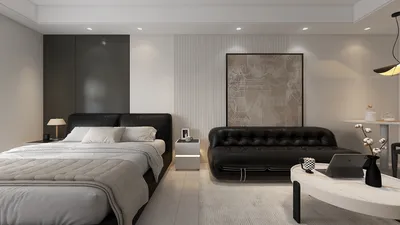


I once had a client request that I fit a complete home office, a king-sized bed, and a six-seat dining table into a 35 sqm duplex — and believe me, it almost brought me to tears. However, that moment of panic transformed into one of my proudest achievements in designing small spaces. Compact duplexes challenge you to think outside the box: staircases can serve as storage, lofts can become work areas, and circulation flows can be creatively utilized. In this article, I’ll share five practical design ideas for two-bedroom duplex house plans based on my firsthand projects and experiences.
1. Split-level Privacy with Stacked Functions
I enjoy placing bedrooms on the upper level of the duplex while stacking wet areas directly above each other. This approach not only keeps plumbing straightforward but also establishes clear zones: social activities downstairs and private living upstairs. The benefit of this layout is enhanced acoustic performance and better circulation flow; however, it requires stairs that are both comfortable and space-efficient. For budget-friendly options, consider using open risers or shallow treads to minimize perceived bulk—this method allowed me to create usable space under the staircase for a laundry closet in a project I worked on.
save pin
2. Mezzanine Master Bedroom for Dramatic Volume
Incorporating a mezzanine bedroom can elevate the sense of grandeur in a small footprint. Raising the master bed provides privacy while keeping the ground floor open and airy for a combined living-dining space. The advantage of this design is increased visual openness and natural light; however, attention must be paid to guardrails for safety and sound insulation. In one project, I designed a mezzanine with built-in shelving that also served as a headboard and storage, a clever solution for concealing wiring for bedside lighting.
save pin
3. Flexible Second Bedroom that Doubles as an Office
With remote work here to stay, designing the second bedroom as a versatile space is a smart choice. Consider a Murphy bed or a high-quality sofa bed, and ensure there’s ample daylight and power sources for work. This allows the duplex to remain adaptable for guests, family, or a home office. One challenge is that multifunctional rooms require careful selection of furniture; in a recent duplex, I integrated a fold-down desk into a wardrobe to keep things organized.
save pin
4. Compact Kitchen with Smart Flow
Kitchens in small duplexes should focus on the work triangle and leverage vertical storage. Shallow upper cabinets, pull-out pantries, and drawers tucked under stairs maximize storage capacity. The benefit is efficiency—you don’t need a large area to prepare great meals—but it’s crucial to make wise choices regarding ventilation and appliance sizes. I often create several kitchen layouts in 3D using Homestyler to evaluate clearances before finalizing designs, helping avoid that moment when oven doors clash with drawers.
save pin
5. Outdoor Connection: Balcony or Tiny Terrace
Even a slender balcony can significantly alter a duplex's functionality. Outdoor stairs, planters, and collapsible seating expand living areas and boost natural light. The added benefits include increased resale value and an authentic extension of living space; however, challenges can arise in waterproofing and ensuring privacy from neighbors. In one project, a 1.2-meter-deep terrace became the family’s favorite area after I specified slimline railings and a retractable awning.
save pin
Inspirations and Practical Tools I Use
When I begin laying out a two-bedroom duplex house plan, I quickly draft designs in a room planner to confirm circulation and furniture placements. This early experimentation saves time and prevents costly on-site adjustments. For final client presentations, I frequently produce a 3D render using Homestyler to convey the spatial atmosphere and material choices effectively.
save pin
FAQ
Q1: What is the minimum size for a comfortable two-bedroom duplex? A: Approximately 55–65 sqm works if space is utilized efficiently; incorporating stacked wet areas and multifunctional furniture is key to maintaining livability.
Q2: Should the kitchen be open or closed in a duplex? A: Open kitchens enhance social areas, while closed kitchens help control odors—decide based on lifestyle and ventilation needs.
Q3: How do you maximize storage in a duplex? A: Utilize under-stair spaces, built-in wardrobes, and vertical cabinetry; tailor solutions to eliminate unused corners.
Q4: Is a mezzanine suitable for families with children? A: It can be, but it's vital to ensure safety (guardrails, non-slip surfaces) along with proper acoustic separation.
Q5: How important is natural light in a duplex layout? A: It is essential—adequate daylighting makes small duplexes feel more spacious and healthy; prioritize window placement in living areas.
Q6: Can a second bedroom double as an office for the long term? A: Yes, with the right lighting, power outlets, and flexible furniture; a Murphy bed is a dependable choice.
Q7: Where can I see quick layout examples and design myself? A: I often begin designs using a free floor plan creator like Homestyler to iterate room sizes and furniture arrangements efficiently.
Q8: Are there building codes to consider for duplex stairs and mezzanines? A: Definitely—local regulations specify riser heights, handrail specifications, and egress requirements; always verify with local authorities or consult a licensed architect for precise standards.
save pin
Looking to transform your space? Homestyler is your go-to online home design platform! With its user-friendly design tool, stunning 3D renderings, and a wealth of DIY video tutorials, you can effortlessly create and visualize your dream home. Start designing today!
Design Now for FREE
































