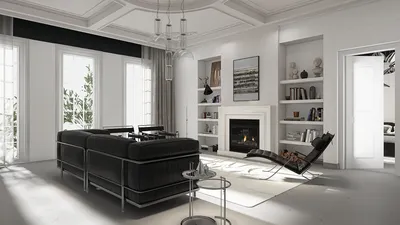


In recent times, combining living room and kitchen spaces into open-plan layouts has surged in popularity within the realm of interior design. Having dedicated over ten years to designing homes, I've discovered that even small areas — particularly those that merge kitchens with living areas — can inspire remarkable creativity. In this article, I’ll present 10 innovative decorating concepts for open living room and kitchen designs, merging my personal insights with advice from well-regarded publications like Architectural Digest, to help you maximize every square inch of your space.
1. Streamlined Storage Solutions
My Perspective: I once transformed a cozy open-plan apartment, incorporating floor-to-ceiling cabinets finished in a matte white. This clever design made the kitchen blend seamlessly into the wall, allowing the living room to take the spotlight.
Advantages: Streamlined storage establishes a tidy background, enhances vertical space, and minimizes the kitchen's presence. An uncluttered appearance can also bolster natural light reflection.
Disadvantages: Without added texture or color, the result can feel bland; certain finishes may show fingerprints more clearly.
Suggestion: Pair handle-less cabinets with discreet wood grain inserts to introduce warmth. Observe how minimalist kitchen storage strategies can elevate the perception of merged spaces.
2. Clear Glass Backsplash for a Lighter Feel
My Perspective: During a recent project in an urban loft, we replaced traditional tiles with a sleek glass backsplash. This shift created a more open ambiance throughout the entire area.
Advantages: Glass reflects light beautifully, is easy to maintain, and fits effortlessly with both minimalist and transitional styles.
Disadvantages: It tends to show smudges easily, and installation expenses can exceed those of tiles.
Suggestion: Coordinate the wall color behind the glass with your living room accents for a harmonious visual experience.
3. L-Shaped Design to Optimize Counter Space
My Perspective: In a compact condo remodel, transitioning from a galley kitchen to an L-shaped layout allowed for increased prep space and improved social interaction during gatherings.
Advantages: This design maximizes corner utilization, enhances workflow, and opens sightlines to the living area, ideal for hosting.
Disadvantages: It may not suit very narrow spaces, and corner cabinets necessitate clever storage solutions.
Suggestion: Consider integrating lazy Susans or pull-out trays to fully exploit corner cabinets. Here's an illustration of an L-shaped open kitchen plan that elegantly combines dining areas.
4. Infusing Warmth with Wooden Elements
My Perspective: I enjoy adding walnut shelves above kitchen counters, mirroring the wooden coffee table in the living area. This approach visually connects both spaces.
Advantages: Wood introduces texture and warmth, creating a natural link between environments; it complements a range of modern to rustic styles.
Disadvantages: Proper sealing is necessary in kitchen areas to shield against moisture damage.
Suggestion: Layer different wood tones for a curated aesthetic.
5. Striking Lighting to Define Areas
My Perspective: Installing pendant lights over a kitchen island distinctly marks that area. In one client’s loft, this transformed the island into a connected yet defined space.
Advantages: This enhances focal points, improves task lighting, and visually separates functions within an open living space.
Disadvantages: Multiple lighting fixtures could incur higher costs and necessitate more maintenance.
Suggestion: Opt for dimmable lighting for adaptable atmospheres.
6. Unified Color Scheme
My Perspective: I once crafted an open kitchen-living area in soothing shades of sage and cream, achieving balance without resulting in dullness.
Advantages: Such a palette creates a unified feel across both spaces, reducing visual clutter.
Disadvantages: Too uniform tones might lack depth; incorporate contrasting textures for added interest.
Suggestion: Reiterate accent colors in upholstery, stools, and artwork to ensure a seamless transition.
7. Versatile Furniture Solutions
My Perspective: In compact environments, integrating a storage ottoman or a foldable dining table proves invaluable for additional seating and concealed storage.
Advantages: These pieces optimize space, enhance versatility, and keep essentials close yet out of sight.
Disadvantages: Some multifunctional designs may be cumbersome to move, and a few prioritize utility over aesthetics.
Suggestion: Choose furnishings that align with your style while providing necessary storage options.
8. Defining Spaces with Area Rugs
My Perspective: In one apartment, using a decorative rug in the living room alongside a neutral low-pile rug beneath the dining table effectively separated the spaces without erecting walls.
Advantages: Rugs clearly delineate zones, enhance comfort and style, and can be easily replaced seasonally.
Disadvantages: Dining area rugs may complicate cleanup after spills; regular maintenance is needed.
Suggestion: Explore indoor-outdoor rugs for easier maintenance in eating areas.
9. Vertical Greenery to Invigorate Spaces
My Perspective: I’ve noticed a dramatic energy shift in a room after introducing a vertical herb garden adjacent to an open kitchen, merging aesthetics with practicality.
Advantages: They enhance air quality, introduce a natural element, and provide fresh cooking ingredients.
Disadvantages: Requires ongoing care; some plants may not thrive in dim lighting.
Suggestion: Utilize wall-mounted planters to maintain floor space. This nature-infused design is evident in open-plan layouts featuring greenery that breathes life into smaller apartments.
10. Integrated Seating Solutions to Maximize Space
My Perspective: Implementing built-in benches along a wall in the open-plan dining area provides both seating and storage, conserving precious space.
Advantages: This strategy saves space, furnishes extra seating, and enhances the overall floor layout.
Disadvantages: Fixed seating limits flexibility for rearrangement; custom designs may be pricier.
Suggestion: Accessorize with cushions that reflect the color schemes of both the kitchen and living areas.
Conclusion
Crafting an open living room and kitchen transcends mere wall removal — it focuses on intelligent design strategies. By harmonizing color schemes, integrating multifunctional furniture, and applying thoughtful zoning techniques, you can create spaces that marry functionality and style, uniquely tailored to your lifestyle. The American Society of Interior Designers emphasizes the importance of cohesive planning in elevating both comfort and practicality in open areas. Which of these 10 decorating strategies will you implement first?
Frequently Asked Questions
Q1: What’s the primary challenge when decorating an open living room and kitchen?
A: Striking a balance between harmony and defined zones can be challenging. Using consistent color schemes and strategic zoning methods like rugs or lighting is quite beneficial.
Q2: How can I reduce clutter in an open kitchen?
A: Utilize hidden storage options like handle-less cabinets and maintain minimal counter decoration. According to design statistics from Houzz, uncluttered counters can make a space feel 30% more expansive.
Q3: Is it acceptable to mix styles between the kitchen and living area?
A: Absolutely; it’s essential to have at least one unifying element, such as a common material or accent color, to ensure a seamless flow.
Q4: What are some ways to enhance privacy in an open-plan space?
A: Consider using movable screens, tall plants, or shelving units to create subtle divisions without constructing walls.
Q5: Which flooring types are best suited for open kitchen-living designs?
A: Continuous flooring options like engineered wood or luxury vinyl planks offer a cohesive appearance and are durable enough for kitchen usage.
Q6: Are open layouts beneficial for small apartments?
A: Indeed; they boost natural light and create a sense of spaciousness. It's crucial to select appropriately scaled furniture.
Q7: How can lighting enhance my open plan?
A: By layering various light sources — ambient, task, and accent — you increase flexibility and effectively highlight different areas.
Q8: Where can I find examples of open-plan designs?
A: You can explore realistic 3D renders of open-plan designs for inspiration pertaining to your own space. Furthermore, platforms like Homestyler can assist you in visualizing and perfecting your design concepts.
Homestyler is your go-to online home design platform, perfect for anyone looking to create stunning spaces. With its user-friendly design tool, impressive 3D renderings, diverse design projects, and helpful DIY video tutorials, you'll transform your ideas into reality effortlessly. Start designing today!
Design Now for FREE
































