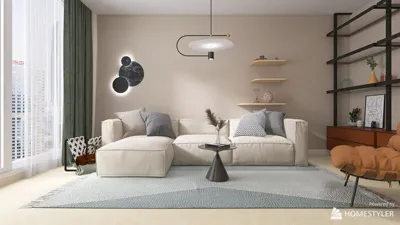


As we step into the future, current apartment designs grapple with daily challenges such as noise, limited storage, and disrupted flow. Recent reports from NAHB indicate a rising trend towards smaller homes with compact footprints, which necessitate smarter design strategies. The evolution of the 3D floor plan for one-bedroom apartments serves as an experimental ground for innovative layouts. I envision these units akin to compiled code, where rooms function as segments, corridors as pathways, and daily routines as scripts seamlessly integrated into a coherent design stack. Utilizing tools for spatial reasoning can enhance our understanding.
Gallery Spine + Pocket Studio
Design Logic: The design unfurls into a gallery spine leading from the hall to the living space, with a pocket micro-studio and bedroom branching off, thereby accommodating remote work and peaceful retreats.
Flow: Transition from entry to gallery, then to living core, bedroom node, studio alcove, and finally, bath—this structured path minimizes unnecessary foot traffic.
Sightlines: The front-to-back orientation offers expansive views; partial-height partitions maintain a hierarchy focused on work, lounge, and sleep areas.
Storage: Wall-depth cabinets along the spine function like cache memory—designed for frequent access, while deeper storage at the rear accommodates seasonal items.
Furniture Fit: The sofa ranges from 80 to 84 inches, with a 30 × 60 inch table and a queen bed leaving 24 inches clear on both sides—these dimensions ensure a seamless living experience, akin to running efficient code.
Verdict: This configuration is designed to remain effective over five years of hybrid living—providing a dedicated workspace, a social hub, and effortless mobility throughout.
save pin
Diagonal Vista + Soft Zoning
Design Logic: Introducing a diagonal axis from the entry to the window disrupts monotony, fostering momentum and adaptability for varying usage.
Flow: The sequence flows from an entry buffer to an oblique living area, then to the kitchen hub, bedroom loop, and bath; it feels more like a sophisticated algorithm than a simple hallway.
Sightlines: Diagonal views invite daylight, while translucent partitions create layers akin to semi-opaque UI panels—offering privacy alongside context.
Storage: The corner pantry and bed platform drawers help manage hotspots, with overhead rails storing infrequently used items, thus streamlining daily tasks.
Furniture Fit: The L-shaped sofa allows 34 to 36 inches of circulation space; the compact island measures 24 × 48 inches, and a wardrobe 24 inches deep—these meticulous choices help avoid design overflow issues.
Verdict: The oblique geometry enhances spatial perception, transforming a modest shell into a responsive living space.
save pin
Ring Circuit with Quiet Core
Design Logic: This layout creates a circular flow from living to kitchen to bath to bedroom, placing the bedroom at the heart of tranquility, sheltered from the hustle of social areas.
Flow: The circular routing eliminates dead ends; guests revolve around public spaces while private activities unfold away from the main traffic.
Sightlines: Visual connections extend from living area to kitchen, tapering towards the bedroom; it's like UI breadcrumbs indicating status without compromising privacy.
Storage: Niches integrated into the ring design effectively serve as caches close to activity zones, streamlining tasks like laundry, meal prep, and work organization.
Furniture Fit: A round dining table measuring 36 to 40 inches optimizes the flow of the ring while modular sofa segments of 30 inches deep work seamlessly with various hosting layouts.
Verdict: This circular design is future-proof, easily adapting to changing routines—offering expanding social spaces while maintaining a stable core.
save pin
## Final Takeaway
A carefully designed 3D floor plan for one-bedroom apartments conceptualizes space as an interface rather than a mere container, enabling seamless integration of daily activities. Utilizing concepts such as diagonals, spines, or ring circuits, the unit evolves into a dynamic living system, treating storage as cache and furniture as precise API elements. From my perspective, the most innovative one-bedroom designs for the near future will not just increase in size but will be more intentionally planned, especially with tools like Homestyler guiding the processes.

Modern Marble Top Solid Wood Console Table With Decorative Accents 3D Model
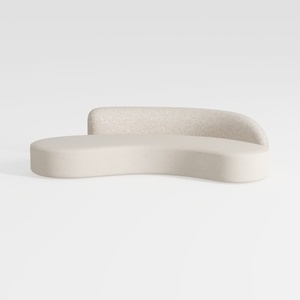
Minimalist Boucle Curved Sofa 3D Model


Homestyler is your go-to online home design platform! With its user-friendly design tool, stunning 3D renderings, and a wealth of interior decoration projects, you can easily create your dream space. Plus, its DIY video tutorials make home design fun and accessible for everyone!
Zaprojektuj teraz za darmo
































