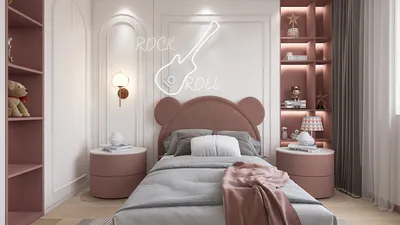


In the last ten years of designing children's rooms, I've observed a significant change—today's interior design trends emphasize playful and personalized environments while maintaining functionality. Curtains in kids’ spaces do more than just block out light; they contribute to the narrative of the room. I often say that compact areas ignite great creativity. In this article, I’ll present 10 innovative curtain ideas for children’s rooms, combining my practical design insights with research-driven recommendations to motivate your next renovation.
1. Vibrant Block Colors
My Perspective: In a recent project, I designed a cozy playroom for twins where the bold block colors of yellow and teal in the curtains infused the space with lively energy. These colors blend beautifully with neutral furnishings.
Advantages: Establishes a visual focal point; infuses vibrancy into the space; aligns with the rising trend of high-contrast designs in children's interiors as noted by the American Society of Interior Designers (ASID).
Disadvantages: Can lead to overstimulation if excessively patterned elements are included; children's color preferences often shift as they grow.
2. Layered Sheer Patterns
My Perspective: I enjoy the aesthetic of layering sheer curtains with subtle patterns over blackout shades—this combination is perfect for nap time while retaining style. Recently, I chose a cloud-print voile for a toddler's room, and the result was enchanting.
Advantages: Allows flexible light control; enriches texture within limited spaces without overwhelming them.
Disadvantages: Requires more frequent upkeep due to the presence of multiple layers.
Tip: In sun-drenched rooms, combining sheer layers with minimalist and storage-friendly layouts creates a harmonious appearance.
3. Nature-Inspired Designs
My Perspective: From dinosaurs to forests and ocean themes, nature-inspired prints encourage curiosity. I've seen these designs spark conversations and stimulate learning for younger children.
Advantages: Fuels imagination; readily available in eco-friendly fabrics.
Disadvantages: Specific themes may quickly become outdated; large prints can overwhelm smaller windows.
4. Blackout Curtains with Exciting Linings
My Perspective: Parents often assume blackout curtains are boring—until I introduce them to options featuring colorful linings that peek out when drawn. This little surprise is something kids love.
Advantages: Enhances sleep quality; reduces exterior noise, as indicated by the National Sleep Foundation which champions blackout curtains for improved rest.
Disadvantages: Can feel weighty in compact spaces; higher quality blackout materials may come at a premium.
5. DIY Tie-Dye Curtains
My Perspective: For a summer initiative, I guided a mother and her daughter in tie-dying basic cotton curtains, resulting in a creative masterpiece they cherished.
Advantages: Completely customizable; serves as a fun bonding experience; promotes sustainable practices through upcycling.
Disadvantages: Colors might fade over time; DIY projects can become messy without careful planning.
6. Layered Valances with Panels
My Perspective: I've implemented this style to create a sense of height in rooms with lower ceilings. Combining a valance with patterned panels below produces delightful effects.
Advantages: Gives an illusion of taller windows; allows for creative mixing of colors and themes.
Disadvantages: Requires meticulous measurement; if not styled correctly, it can feel outdated.
Example: A recent project effectively united layered valances with smart floor planning to make a small study nook feel larger.
7. Glow-in-the-Dark Features
My Perspective: This element is well-received in both boys' and girls' spaces. Imagine soft glowing stars after the lights dim—it’s like sleeping under the night sky.
Advantages: Functions as both decor and a comforting night-time aid; stimulates imagination.
Disadvantages: The glow can diminish over time; may not fit all interior styles.
8. Textural Mixtures
My Perspective: Employing velvet alongside light cotton in curtain panels creates depth and tactile enjoyment, which is beneficial for sensory development in kids.
Advantages: Rich in visual appeal; adds warmth, particularly valuable in chillier climates.
Disadvantages: Velvet can attract dust easily; mixing fabrics can present cleaning challenges.
9. Monochrome Accents with a Twist
My Perspective: I designed a nursery with a monochrome scheme featuring gray curtains and vibrant coral ties—a simple yet striking choice.
Advantages: Classic and timeless; easy to refresh with changing accents.
Disadvantages: Can come off as too mature if overused; might lack the playful touch suitable for very young children.
Pro Tip: Balance a monochrome setting with bright, functional highlights throughout the room.
10. Storybook-Themed Curtains
My Perspective: Curtains showcasing fairy tales or beloved characters transform bedtime into an adventurous experience. I once sourced illustrated panels for a reading enthusiast, making it her favorite room detail.
Advantages: Incredibly personal; fosters a love for reading.
Disadvantages: Such themes may quickly become outdated; custom designs can be on the pricier side.
Conclusion: A compact children's room doesn’t curb creativity—it requires smarter design solutions. Curtains can serve both practical purposes and spark imagination, profoundly influencing how a child engages with their environment. As supported by ASID research, intentional design choices enhance well-being. Which of these 10 curtain ideas for kids’ rooms, perhaps even utilizing tools like Homestyler for visualizing your concepts, would you like to explore first?
FAQ
1. What are the best curtains for a compact kids’ room?
Choose lightweight fabrics or layered sheer designs to maintain an airy atmosphere while effectively reducing excess light.
2. Are blackout curtains suitable for children?
Absolutely. The National Sleep Foundation advocates for blackout curtains as they help enhance sleep by blocking light and noise.
3. How can I ensure kids’ curtains are safe?
Consider opting for cordless options or utilizing safety tension rods to mitigate injury risks.
4. What’s a cost-effective curtain idea for kids?
DIY tie-dye or fabric painting ventures enable you to create unique designs at a minimal cost.
5. How often should I wash kids’ curtains?
Aim for a cleaning schedule every 3 to 6 months to manage dust and allergens, particularly in homes prone to allergies.
6. Can thermal curtains be used in children’s rooms?
Yes, thermal curtains help regulate the room temperature and can be paired with fun patterns for aesthetic appeal.
7. Are storybook-themed curtains a worthwhile investment?
If your child is passionate about a certain story, this can greatly enhance their connection to the space.
8. How do I select patterns that will grow with my child?
Opt for versatile designs like stripes or nature motifs that can adapt over time, or pair them with interchangeable accent pieces.
Homestyler is your go-to online home design platform! With its easy-to-use design tool, stunning 3D renderings, an array of inspiring design projects, and helpful DIY video tutorials, you can effortlessly create and visualize your dream spaces. Transform your home design journey today!
지금 무료로 디자인하세요
































