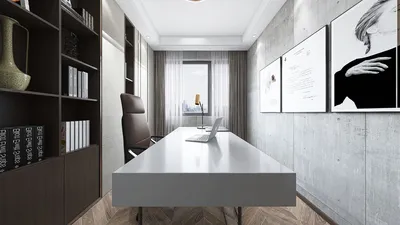


Once, a client requested a desk that could elegantly fold away to conceal her sewing machine while maintaining an aesthetic appeal — I initially thought she was joking until I brought it to life. Small spaces often challenge your creativity, which is why I am passionate about planning for compact areas; it transforms limitations into unique design features. Here, I’ll share five corner desk concepts I've implemented in actual projects and tips to consider.
1. The Floating Shelf Desk
I previously installed a floating desk in a 6-foot-wide alcove, and it immediately enhanced the room's openness — it appeared lighter while also being surprisingly robust. The benefits include a breezy aesthetic and effortless cleaning beneath; however, it does require sturdy wall studs or anchors, and managing wiring can be a bit complex. Budget-friendly advice: opt for plywood with a veneer finish to achieve a sophisticated look without overspending. Consider utilizing tools like Homestyler for visualizing your design before installation.
save pin
2. L-Shaped Built-In with Storage
Built-ins not only provide a custom feel but also cleverly disguise storage, which is invaluable in compact homes. I typically design shallow drawers for paperwork and a vertical compartment for a printer to keep surfaces clear of clutter. Although they may cost more than prefabricated desks, the durability and tailored design often justify the investment.
save pin
3. Corner Nook with Vertical Shelving
When floor space is at a premium, I take the design upward — pairing tall shelving with a petite corner tabletop creates an efficient workspace. This configuration is excellent for vertical storage and showcasing items, but it's important to avoid overloading the shelves to prevent a cramped feel. For clients interested in visualizing their options, I frequently use mockups created with 3D tools like Homestyler, allowing them to adjust shelf heights and desk dimensions before the actual build.
save pin
4. Folding Corner Desk
A fold-down corner desk works wonders in multipurpose rooms — it serves as a workspace during the day and can be neatly stowed away at night. The challenge lies in creating sturdy hinges and ensuring the appearance remains polished when folded; I often incorporate trim or a magnetic closure for a streamlined look. Pro tip: adding a shallow ledge beneath the fold can help manage cables, so you don't have to unplug everything repeatedly.
save pin
5. Multi-Use Corner with Seating
At one point, I designed a corner resembling a mini kitchen workstation, focusing on workflow between the desk, chair, and adjacent storage — it turned into a cozy command center. This layout is suitable for both laptop tasks and reading, but it's essential to choose a chair that fits neatly under the desk. If you wish to draw inspiration from effective layouts in other areas, examining kitchen workflows can offer ideas for sensible zoning and movement in your corner design.
save pin
FAQ
Q1: What is the ideal size for a corner desk in a small room?
A: Aim for a depth of 18–24 inches for general laptop work, and 30–36 inches if multiple monitors are involved. Measure diagonally in the corner to ensure the desk won’t obstruct door swings or traffic flow.
Q2: How can I maximize storage without creating clutter on the desk?
A: Implement vertical shelving, shallow drawers, and wall-mounted organizers to keep your desktop tidy. A pegboard or small rail above the desk can conveniently hold frequently used items without occupying surface space.
Q3: Are floating desks sturdy enough for everyday use?
A: Certainly! When secured to studs or with reliable wall brackets, floating desks can be very durable. I advise using heavy-duty brackets and testing weight limits before regular use.
Q4: What kind of lighting is best for corner desks?
A: A blend of task lighting (like an adjustable lamp) along with ambient light minimizes eye strain. Think about using under-shelf LED strips for consistent illumination on your workspace.
Q5: Can a corner desk fit in a bay window?
A: Definitely! A shallow, curved, or custom triangular desk can follow the window's contours, creating a delightful, sunlit workspace. Just ensure the chair has enough space and that window treatments are reachable.
Q6: How much should I budget for a custom built-in corner desk?
A: Pricing can vary significantly, but custom carpentry generally starts higher than modular options; small built-ins might range from a few hundred to several thousand dollars based on materials. I recommend obtaining at least two estimates and focusing on durable finishes for high-traffic areas.
Q7: Are there ergonomic factors to consider for corner desks?
A: It's essential to keep monitor height at eye level and ensure knees have ample clearance; using a keyboard tray or adjustable monitor arm can help. The Occupational Safety and Health Administration (OSHA) provides useful ergonomic guidelines for home setups (see https://www.osha.gov).
Q8: Where can I find tools to visualize different corner desk designs before making a purchase?
A: Utilizing a simple 3D layout or mockup helps prevent costly errors — many designers and applications, including Homestyler, allow you to test different clearances and proportions virtually, which I highly recommend before finalizing any custom work.
Homestyler is your go-to online home design platform! With an easy-to-use design tool, stunning 3D renderings, and a wealth of design projects and video tutorials, you can effortlessly create and visualize your dream space. Start your design journey today!
Дизайн сейчас бесплатно
































