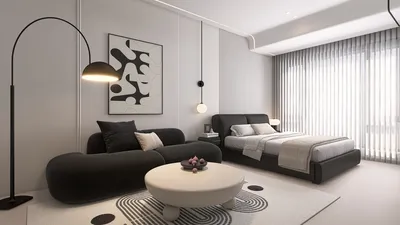


Designing a conference hall requires careful consideration of the background, as it crucially influences the event’s ambiance and tone. Whether hosting a corporate meeting, seminar, or workshop, an effectively designed background can significantly improve attendee engagement and elevate their overall experience. Here are some innovative ideas to inspire your conference hall layout:
1. Embrace Minimalism
Minimalism focuses on simplicity and functionality. Opt for neutral palettes like whites, grays, and soft pastels for walls and furniture. Incorporate sleek, modern furnishings while minimizing clutter. This design philosophy allows participants to concentrate on the presented content without distractions.
2. Incorporate Branding Elements
Strive to make the conference hall resonate with your brand identity. Integrate your company’s colors, logo, and taglines throughout the venue. A prominent backdrop showcasing your brand message or values can reinforce recognition and foster a unified environment.
3. Nature-Inspired Designs
Integrating natural elements indoors can foster a soothing and invigorating setting. Utilize biophilic design principles by adding indoor plants, wood textures, and stone finishes. Alternatively, a captivating mural displaying a natural landscape can serve as a striking focal point.
4. High-Tech Backgrounds
Enhance your design with technological elements, such as digital screens or LED walls. These installations can display dynamic visuals, videos, or real-time social media feeds linked to the conference, infusing a contemporary vibe and maintaining audience engagement.
5. Artistic Murals and Installations
Consider hiring a local artist to design a mural or installation that embodies the theme of your conference. This not only provides a unique aesthetic but also champions local talent, creating a fantastic conversation piece among attendees.
6. Flexible Layouts with Smart Storage
Plan for a flexible conference hall layout that can adapt to various events. Implement smart storage solutions to maintain cleanliness and organization. Options like foldable chairs and collapsible tables allow for quick rearrangement, making the space suitable for diverse functions.
7. Acoustic Treatments
Incorporate acoustic panels or sound-absorbing materials in your design to improve sound quality during presentations. This aspect is particularly essential in larger halls to ensure clarity and minimize noise disturbances.
8. Use of Lighting
Lighting can significantly affect the atmosphere of the conference hall. Utilize adjustable LED lighting that can be tailored to different presentations or events. Consider spotlighting key areas, such as the stage or speaker’s podium, to enhance focus.
9. Interactive Spaces
Designate areas within the conference hall for networking or brainstorming activities. Use movable partitions to create breakout rooms for smaller discussions. This encourages collaboration and enhances interaction among participants.
10. Comfort and Accessibility
Lastly, ensure that your design prioritizes comfort and accessibility for all attendees. Provide suitable seating, clear pathways, and accessible facilities for individuals with disabilities. A comfortable environment promotes engagement and participation.
By implementing these design strategies, you can curate a conference hall that is not just visually appealing but also effectively serves its function. Remember, a well-planned background is fundamental to the success of any event! Additionally, utilizing tools like Homestyler can facilitate your design process, enabling you to visualize and implement these ideas effortlessly.
FAQ
Q: What colours are best for a conference hall? A: Neutral colors like whites and grays work best, complemented by brand colors to strengthen identity.
Q: How can I make a conference hall feel more inviting? A: Integrate natural elements, comfortable seating, and interactive spaces to foster a welcoming environment.
Welcome to Use No.1 Home Office Design Software
Design Now for FREE
































