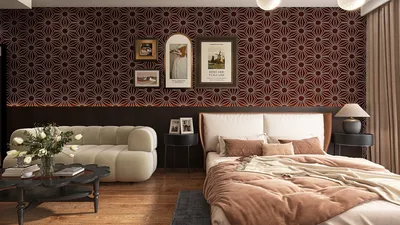


As the demands of modern living evolve, many roommates find themselves navigating the complexities of mismatched routines and acoustic challenges. Recent insights from the AIA underline a continuous shift toward flexible shared spaces as diverse households emerge. Accordingly, contemporary co-living apartment designs may set the standard for a more comprehensive urban ecosystem. By utilizing a spatial reasoning toolkit, I ensure that my layouts offer a seamless interface, making it feel organic rather than improvised, similar to what can be achieved using Homestyler.
Hybrid Spine: Shared Core, Private Satellites
Design Logic: The layout features a centralized kitchen-lounge serving as a hub of activity, with bedrooms designed to orbit around it like encrypted data nodes—this setup is ideally suited for adapting to changing household sizes and remote work trends.
Flow: The entryway leads to a hygiene lock (for coats and shoes), connecting to the kitchen, lounge, and branching corridors that unfurl towards each bedroom; importantly, guest access is designed to avoid intruding upon private areas.
Sightlines: Diagonal views link the kitchen to the lounge, cleverly concealing doors while glass clerestories allow light to flow without compromising privacy.
Storage: A shared linen closet and pantry in the hallway serve as collective storage options, while individual micro-closets within each room maintain personal storage spaces.
Furniture Fit: With a 9–10 ft sofa module, spacious 30-inch circulation paths, and an island measuring 36x72 serving as a central command console, the layout is designed for comfort and utility.
Verdict: The design scales effortlessly, akin to software—new roommates can integrate into the system without the need for major restructuring, much like using Homestyler.
save pin
Dual-Stack Suites with Wet-Wall Economy
Design Logic: By aligning bathrooms and laundry along a singular wet wall, costs and future upkeep are minimized, allowing more space for communal areas.
Flow: A service bar anchors the layout; efficient pathways connect cooking, dining, and relaxation; private loops lead directly to bathrooms without traversing public zones.
Sightlines: The elongated design creates a dining space framed as a social hub, with frosted sliding doors obscuring activity while maintaining a sense of openness.
Storage: Clever designs like over-refrigerator bins, toe-kick drawers, and vertical broom niches enhance storage capacity, optimizing overall efficiency.
Furniture Fit: With a 42-inch dining clearance, modular benches that tuck away, and queen beds providing unobstructed side access, the configuration maximizes comfort.
Verdict: The cohesive utilities function like well-optimized code—minimizing delays while enhancing the overall quality of life for five years and beyond.
save pin
Micro-Studio Pods within a Macro Commons
Design Logic: Each bedroom functions as a micro-studio—equipped with a desk, wardrobe wall, and optional mini-sink—encouraging residents to choose co-living voluntarily rather than feeling obligated.
Flow: Personal pathways (sleep → work → wash) connect seamlessly to the communal space, designed to prevent accidental crossings.
Sightlines: From the entry, a layered perspective is created with greenery, followed by the lounge's warm ambiance, and finally the kitchen’s sleek design; bedrooms visually blend into the environment.
Storage: A shared tool library and labeled bulk storage areas, in addition to under-bed drawers, facilitate personal and communal organization.
Furniture Fit: A 24-inch deep work wall, a 48-inch communal table, and stackable chairs function as adaptable components for various activities.
Verdict: The combination of personal autonomy within a community context minimizes conflict, allowing users to thrive within a system that acknowledges their individual needs—much like what you might find in designs created with Homestyler.
save pin
Final Takeaway
A successful co-living apartment design relies on a shared core functioning reliably, while individual rooms operate like autonomous applications. Variants—such as communal apartment designs, shared living spaces, and compatible floor plans—represent different iterations of the same fundamental concept. As we look ahead, I anticipate that niche innovations such as 'bathroom-stacked co-living' and 'micro-suites with integrated maker zones' will gain traction in rental markets. From my perspective, the most effective communal living spaces are not necessarily larger but are instead focused on thoughtfully designed interfaces, promoting interactions that mirror the efficiency one could achieve through tools like Homestyler.

Minimalist Pink Fabric L Shaped Sectional Sofa 3D Model


Minimalist Modern White Fabric Modular Sectional Sofa 3D Model
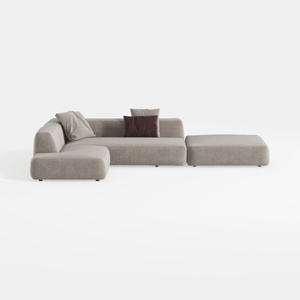
Minimalist Fabric L Shaped Sectional Sofa with Ottoman 3D Model
Transform your home design dreams into reality with Homestyler! This user-friendly platform offers an advanced online design tool, stunning 3D renderings, diverse design projects, and helpful DIY video tutorials. Whether you're a novice or a seasoned pro, Homestyler makes home design fun and accessible for everyone!
Design Now for FREE
































