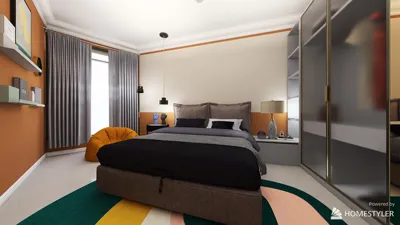


Having spent more than ten years designing cozy and efficient spaces, I firmly believe that compact areas spark great creativity. Even in a small living room, incorporating the right chair rail can dramatically change the atmosphere. In this piece, I will present ten innovative chair rail ideas for your living room, merging my personal design expertise with tips from respected sources, all while showing you how to enrich your space practically—and think about using tools like Homestyler to visualize your design.
1. Minimalistic White Chair Rail Design
Insight: In a project for a 20m² apartment, a clean white chair rail effectively extended the visual lines of the walls, creating an airy feel. This understated yet sophisticated touch can finish any space beautifully.
Advantages: White complements a wide range of wall colors, enhancing versatility, and it reflects light exceptionally well, which is ideal for small spaces that aim for a light, minimalist ambiance.
Drawbacks: White tends to show marks and scrapes easily, so regular maintenance may be necessary if you have pets or children.
Suggestion: Renters should consider using peel-and-stick white trims to achieve a temporary update without damaging the walls.
2. Two-Tone Walls with a Contrasting Chair Rail
Insight: Employing a chair rail to differentiate between a darker lower wall and a lighter upper one can provide striking visual depth. In a condominium layout, a rich navy below complemented pale grey on top, establishing a wonderful balance.
Advantages: This strategy offers visual harmony and a chic look that aligns with current living room décor trends, all without breaking the bank.
Drawbacks: The wrong color combination can disrupt the flow of a room. It's wise to test samples before making a final decision.
Suggestion: Opt for a darker hue below to prevent the room from feeling disproportionately heavy at the top.
3. Rustic Wooden Chair Rail for Added Warmth
Insight: Utilizing raw or reclaimed wood for chair rails injects a sense of warmth into spaces. During a renovation for a mountain cabin, this approach was a favorite for clients craving a cozy atmosphere.
Advantages: This type of rail brings texture and an organic element to a space, fitting seamlessly with farmhouse, rustic, and cottage aesthetics.
Drawbacks: Wood rails require sealing to guard against potential stains and warping over time.
Budget Note: Locally-sourced reclaimed wood can be a budget-friendly alternative.
4. Picture Frame Moulding with Chair Rail
Insight: I am fond of incorporating picture frame mouldings right below a chair rail; it's a classic design that adds a timeless aspect to even the simplest living rooms.
Advantages: This style can elevate your home's perceived value, as indicated by Architectural Digest's 2022 trends report, while allowing for personalized spacing and shapes.
Drawbacks: Installation demands precision and can be labor-intensive.
5. Bold Color Accent Below the Chair Rail
Insight: I once decorated the lower section of my apartment in a terracotta hue, and guests often compliment its inviting warmth.
Advantages: This approach adds character without overwhelming, particularly successful when paired with neutral shades above.
Drawbacks: Finishes like matte may require more frequent repainting in high-traffic areas.
6. Metallic Chair Rail Finish
Insight: I've included brushed brass chair rails in an art deco-inspired loft, which shimmered delicately under warm light for a touch of glamour.
Advantages: Metallic finishes reflect light beautifully, imparting luxury while maintaining a balance with jewel-toned walls.
Drawbacks: These surfaces can show fingerprints and smudges, necessitating gentle cleaning.
7. Shiplap Below the Chair Rail
Insight: Installing shiplap paneling beneath the chair rail can be excellent for coastal or cottage styles. In a lakeside house, it created an airy yet structured ambiance.
Advantages: This design adds texture and sturdiness to wall surfaces, facilitating maintenance in busy living rooms.
Drawbacks: Shiplap may clash with ultra-modern designs unless styled appropriately; pairing it with coastal-inspired colors can enhance cohesion.
8. Integrated LED Strip Above the Chair Rail
Insight: A contemporary favorite of mine is to install a slim LED strip just above the rail for ambient lighting—perfection for movie nights.
Advantages: This approach adds mood lighting without visible fixtures. According to Houzz lighting reports, layering lighting enhances overall comfort in a room.
Drawbacks: Installation may be slightly more complicated, as it requires wiring or battery operation.
9. Extra-Wide Chair Rail as a Display Ledge
Insight: On one occasion, I designed a chair rail sloped wide enough to accommodate small photo frames and plants—this charming combination offers both form and function.
Advantages: Ideal for those seeking flexible display options, especially for renters and art aficionados. It contributes a layered texture to a compact living room.
Drawbacks: Such surfaces may accumulate dust and necessitate regular upkeep.
10. Painted Chair Rail Matching the Wall Color
Insight: To achieve a subtle dimension, painting the trim the same shade as the walls fosters a seamless, textural effect.
Advantages: This technique results in a streamlined appearance that can create the illusion of height, particularly effective in modern minimalist layouts.
Drawbacks: For those desiring bolder elements, this effect can appear too understated.
Conclusion
Designing a small living room doesn't restrict your creativity; it encourages smarter, intentional choices. According to Better Homes & Gardens, trims and rails can significantly alter a room's character without extensive renovations. From the rustic charm of wood to the modern sophistication of LED-lit rails, these ideas showcase the versatility of a chair rail. Which concept would you implement in your home? Don’t forget to explore Homestyler to visualize your options!
FAQ
1. What is the ideal height for a chair rail in a living room?
Generally, chair rails should be positioned between 28 to 36 inches from the floor, adjusting according to the room's ceiling height. A common practice is to position it at approximately one-third of the total wall height.
2. Can chair rails enhance the perception of space in a small living room?
Indeed! When paired with lighter upper wall colors and continuous lines, chair rails create an illusion of expanded space.
3. Are chair rails compatible with modern interior designs?
Absolutely—styles that are minimalist, monochrome, or utilize metallic finishes work harmoniously within modern spaces.
4. Should the chair rail be lighter or darker than the wall?
That decision depends on the desired effect; a darker rail below can anchor a room, while matching tones create a softer, more subtle look.
5. Are wood chair rails a hassle to maintain?
Not if adequately sealed; unsealed wood can absorb stains or warp over time if neglected.
6. Can I fit a chair rail without causing damage to the walls?
Absolutely! Peel-and-stick mouldings are a workaround for renters who need temporary solutions without wall damage.
7. Is LED lighting above a chair rail eco-friendly?
Yes—LED strips are energy-efficient, using less power and producing minimal heat, making them excellent for accent lighting, as highlighted by Energy.gov.
8. Where can I find examples of contemporary chair rail designs?
Numerous online galleries and AI-assisted design platforms showcase inspiring chair rail implementations.
Homestyler is an exceptional online home design platform that makes it easy to unleash your creativity. With its user-friendly design tool, stunning 3D renderings, and a wealth of DIY video tutorials, you'll find everything you need to transform your space effortlessly. Start designing your dream home today!
Zaprojektuj teraz za darmo
































