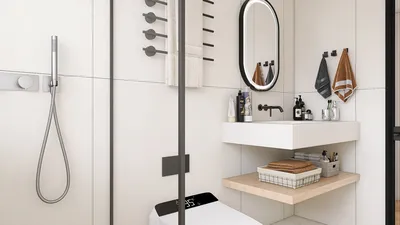


In my early attempts at crafting a butcher block table, I almost made the error of cutting the wrong board due to my eagerness — a classic rookie mistake that taught me the importance of careful planning. If you're like me and enjoy visually mapping out your projects, I highly recommend using Homestyler to visualize your layout before making any cuts. In smaller spaces, thoughtful decisions are crucial, and a butcher block can serve as a key piece that transforms a compact kitchen into a warm and inviting area.
1. Hairpin legs for a light, modern table
For a quick and stylish solution, combine a straightforward butcher block top with hairpin legs. This combination offers warmth and sturdiness, while the slender legs lend an airy feel to the space. However, keep in mind that hairpin legs might wobble on uneven surfaces, so it's essential to shim and test them on-site — a minor adjustment that can save you from costly rework later on.
save pin
2. Butcher block kitchen island on casters
I repurposed an old hardwood slab into a movable kitchen island equipped with storage shelves and heavy-duty casters. The mobility of this island allows you to adjust the kitchen workflow, ideal for dinner parties or cooking sessions. A solid butcher block can easily handle chopping tasks and withstand hot pans. Just a note: while good-quality casters and reinforcement can increase the budget, the versatility they provide is invaluable for those who enjoy rearranging their space.
save pin
3. Drop-leaf butcher block for micro-kitchens
For a compact apartment, I designed a foldable butcher block drop-leaf table that serves as both a prep space and a dining area. When not in use, it barely occupies any room, yet when lifted, it surprisingly feels stable if you add a simple support arm. If you're concerned about hinge durability, opt for high-quality hardware, as I have experienced cheaper hinges sagging under heavy use.
save pin
4. Mixed-material base: steel frame with warm wood top
One of my preferred designs blends industrial and Scandinavian styles, featuring a butcher block top on a powder-coated steel frame. This design feels modern while also being resilient against everyday use. The primary challenge lies in alignment — due to the different expansion rates of metal and wood, I secure the top in a way that accommodates slight movement to prevent splitting during seasonal changes.
save pin
5. Built-in storage bench with integrated butcher block
I constructed a banquette bench with a butcher block tabletop that lifts to reveal hidden storage, making it ideal for entryways or small kitchens where every inch matters. While this design requires more carpentry skills than a standard table, the benefits for apartment living are substantial: it provides extra seating, storage, and a durable surface all in one compact unit. For a realistic preview before your build, consider using Homestyler for a photo-realistic rendering to verify dimensions and finishes.
save pin
Materials and finish tips I actually use
My favored choice is edge-grain maple, which balances durability and cost. While end-grain wood is tougher, it's also more expensive and heavier. For food-safe finishes, I recommend either mineral oil or a dedicated butcher-block oil — both are easy to apply and forgiving. Just a heads-up: oil requires periodic reapplication over time, but it ensures that the surface remains beautiful and easily maintainable.
save pin
Quick project checklist
Measure twice, cut once — this well-known adage exists for a reason. Sketch a basic plan, check stool or bench heights, and carefully consider workflow if the table will be part of your kitchen; optimizing your cooking process will prevent regrets down the line. If you're planning a permanent kitchen design change, thoughtfully evaluate the workflow so that the butcher block becomes a functional centerpiece rather than an obstacle in the space.
save pin
FAQ
Q1: Is a DIY butcher block table good for food prep?
A1: Yes — as long as you choose the right wood (such as maple or beech) and a food-safe finish, a butcher block yields an excellent prep surface. Remember to keep it well-oiled and maintain proper hygiene by regularly cleaning and using separate cutting boards for raw meats.
Q2: What thickness should the butcher block top be?
A2: For a sturdy table top, I suggest a thickness of 1.5" to 2" (38–50mm) for edge-grain and at least 1.75" for end-grain. Thicker tops tend to look and feel more robust, but they also add weight and cost.
Q3: How do I attach hairpin legs to prevent wobbling?
A3: Use long screws into solid wood, add corner brackets for added rigidity, and always test on your actual floor. Utilizing shims under the legs can effectively remedy minor unevenness swiftly.
Q4: Can I build a butcher block table without a jointer or planer?
A4: Yes — edge-glued panels can be crafted using a circular saw, track saw, and a router equipped with a flush trim bit. Be prepared for slightly more sanding, and clamp carefully during the glue-up process.
Q5: How do I finish the table to ensure it is food-safe?
A5: Mineral oil and specialized butcher block oils are common and food-safe options; both are easy to apply and non-toxic once cured. For enhanced protection, you might consider a USDA-recognized food-contact finish, following the manufacturer's safety guidelines (check USDA practices at https://www.fsis.usda.gov for food safety).
Q6: What’s the best method to move a heavy butcher block island?
A6: Choose high-quality casters rated for the weight and ensure they have lockable wheels for stability. For particularly heavy pieces, it's best to enlist the help of at least two individuals, using protective pads to prevent damage to the floor.
Q7: How often should I reapply oil to the butcher block?
A7: Initially, apply oil monthly for heavy-use surfaces, then extend the interval to every 3–6 months as the wood stabilizes. If the surface appears dry or darkens when wet, it's time for a reapplication.
Q8: Can I mix butcher block with other countertop materials?
A8: Certainly — butcher block harmonizes well with materials like quartz or stainless steel for a striking contrast. Just ensure you plan the transitions and heights meticulously to avoid awkward joins and maintain a streamlined workflow.
save pin
Homestyler is your go-to online home design platform! With its user-friendly design tool, stunning 3D renderings, and a wealth of DIY video tutorials, you can effortlessly create and visualize your dream spaces. Transform your home design ideas into reality today!
立即免费设计
































