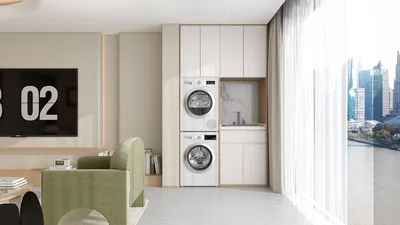


Throughout my decade-long experience with designing living rooms of varied dimensions, I have discovered that top design trends aren't solely focused on accumulating additional furniture—they emphasize enhancing the efficiency of your space. An excellent example of this would be built-ins. Particularly in compact living areas, intelligent built-in solutions can ignite creativity, transforming constrained layouts into functional and aesthetically pleasing environments. In this article, I will share 10 built-in ideas for living rooms that I have successfully executed in real-life projects, merging personal insights with expert advice to spark inspiration for your next home makeover.
1. Floor-to-Ceiling Shelving Walls
My Perspective: In a city apartment project, we created full-height bookshelves around the doorway, significantly altering the room's impact and becoming an instant topic of conversation for visitors.
Advantages: This approach maximizes vertical storage and draws attention upward, giving a more spacious impression. As noted by Architectural Digest, emphasizing vertical space is one of the simplest tricks for creating a sense of openness in smaller rooms.
Disadvantages: Maintaining cleanliness can be cumbersome, especially for the upper shelves. Additionally, styling them might seem daunting at first.
Suggestion: Think about using a small built-in ladder or a decorative step stool.
2. Built-in Bench Seating
My Perspective: I once incorporated a cushioned storage bench beneath a bay window—my clients were amazed at how much clutter was concealed.
Advantages: This concept blends seating with concealed storage, creating a cozy nook perfect for reading. It’s ideal for compact spaces that require multifunctional features.
Disadvantages: Custom cushions can become an expensive investment if they need replacement.
We styled the bench area akin to minimalist kitchen storage designs to maintain a clean aesthetic while ensuring warmth.
3. Recessed Media Wall
My Perspective: Rather than opting for a bulky console, I integrated TV units into a custom wall niche—this approach is streamlined, modern, and conserves precious floor space.
Advantages: It streamlines the media area and keeps cables neatly hidden, with the possibility of integrating bookshelves.
Disadvantages: It restricts future rearrangements since moving the TV once installed is not straightforward.
4. Alcove Display Units
My Perspective: In a charming Victorian townhouse, we transformed awkward wall recesses into display shelves for art and mementos.
Advantages: This utilizes otherwise unused space, infuses personality, and can be enhanced with strategic lighting.
Disadvantages: Dimensions can vary, necessitating customized carpentry.
5. Fireplace Built-ins
My Perspective: Framing a fireplace with built-ins is a timeless approach. I balanced firewood storage on one side with bookshelves on the other—it's both elegant and functional.
Advantages: This design consolidates focal points and simplifies seasonal decor updates.
Disadvantages: It necessitates fireproof finishes and materials, potentially increasing costs.
6. Corner Built-in Units
My Perspective: We converted an underutilized corner into a stylish, asymmetrical shelving unit—the ideal spot for plants and ceramic pieces.
Advantages: This maximizes every inch of space and softens sharp room angles.
Disadvantages: Custom angles can lead to increased labor and material waste.
7. Built-in Home Office Niche
My Perspective: Especially following 2020, I have designed compact office spaces within living rooms for clients who work remotely.
Advantages: This makes efficient use of space and can be concealed behind doors when not in use.
Disadvantages: Fixed placements might complicate future redesigns.
We developed a subtle workspace similar to L-shaped layouts that maximize counter space, providing additional room without intruding on the overall area.
8. Hidden Bar Cabinetry
My Perspective: A client sought a chic, entertaining feature—hence we created a mirrored bar hidden behind tall cabinet doors, reminiscent of revealing a secret room.
Advantages: This keeps the bar area tidy and child-safe while offering additional storage.
Disadvantages: Accessibility for everyday use may be diminished.
9. Floating Low Cabinets
My Perspective: Hanging cabinets impart a light, airy vibe to your living area. I enjoy pairing them with LED under-lighting for a dramatic effect at night.
Advantages: They allow for easier cleaning beneath and create an illusion of expanded floor space.
Disadvantages: They offer less storage capacity compared to traditional cabinets.
10. Integrated Lighting in Built-ins
My Perspective: By integrating LED strips into built-in shelves, you not only highlight displayed items but also enhance the warmth of the entire room.
Advantages: This approach adds depth and luxury, improving usability during evening hours. The IES Lighting Handbook emphasizes the importance of layered lighting in setting a mood.
Disadvantages: Installation requires access to electrical wiring.
We employed warm tones here, reminiscent of the cozy wooden elements found in designer showcases, flawlessly blending comfort with elegance.
Conclusion
In my view, a small living room never equates to limited potential—only smarter solutions. Well-planned built-ins can redefine how you utilize and appreciate your space. As noted by Elle Decor, built-ins frequently add significant value to a property. Which of these 10 living room built-in concepts would you be eager to implement first? Consider leveraging tools like Homestyler to visualize these changes in your own home.
FAQ
1. What are the main benefits of living room built-ins?
They optimize space, create a polished appearance, and seamlessly incorporate storage into the room's architecture.
2. Are built-ins only for large living rooms?
No, they are particularly beneficial in smaller spaces where every inch counts, aiding in maintaining visual coherence and minimizing clutter.
3. How much does it cost to install living room built-ins?
Cost can vary significantly—from several hundred to several thousand dollars—based on size, materials, and level of customization.
4. Can built-ins be added to rental homes?
For rentals, consider freestanding units that simulate built-ins; steer clear of permanent modifications without the landlord's consent.
5. What materials are best for built-ins?
Commonly used materials include plywood with quality veneers, solid wood, and MDF. For humid areas, moisture-resistant MDF is advisable.
6. Do built-ins add property value?
Indeed, the National Association of Realtors indicates that built-in storage can be a strong selling advantage for prospective buyers.
7. How do I style built-in shelves?
Balance is key; mix books with decorative pieces, artwork, and plants, and adhere to the rule of thirds for a pleasing arrangement.
8. Can built-ins be modified post-installation?
While some features can be adjusted or repainted, structural modifications may necessitate professional assistance, similar to comprehensive floor plan alterations.
Looking to transform your home? Homestyler is your go-to online design platform! With an intuitive design tool, stunning 3D renderings, and inspiring DIY video tutorials, you can easily create and visualize your dream spaces. Start your home design journey today!
立即免费设计
































