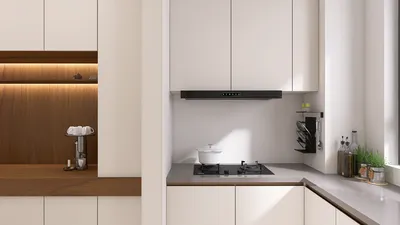


I once created a bookshelf that my client wanted to cleverly conceal her secret snack drawer, essentially turning a standard bookshelf into a discreet pantry hidden behind a row of novels. This playful request highlighted how working with small spaces can drive us to be both inventive and realistic about what truly matters, reminding us that sometimes the most whimsical ideas are the best ones.
Limited spaces ignite tremendous creativity, and I’d like to present 5 innovative bookshelf concepts that have not only rescued actual projects but also helped me avoid a couple of near disasters. If you're considering different layouts, you might find it beneficial to explore this virtual room layout study I utilized to efficiently illustrate confined shelves.
1. Vertical, floor-to-ceiling slim shelving
I adore maximizing storage by extending shelves upwards — slim, floor-to-ceiling units reclaim vertical space without taking up extra floor area. They are ideal for narrow hallways and allow you to combine closed cabinets with open ledges for display purposes. However, it's essential to ensure they are securely anchored, and a stepladder will be necessary for reaching the top shelves.
2. Built-in bench with integrated bookshelf
Transforming a neglected nook into a snug corner by merging a reading bench with lower bookshelf cubbies is a smart move. This setup not only provides additional seating but also offers hidden storage. While custom carpentry can be pricey, a plywood DIY option might reduce costs if you have the skills.
save pin
3. Floating staggered shelves for rhythm and light
Floating staggered shelves offer a lighter alternative compared to bulky bookcases, allowing light to filter through, which is especially advantageous in studio apartments. This design provides versatile styling options — you can stack books horizontally, display art, or place plants. Just be selective about wall fixings to prevent sagging over time. I often use an AI-driven design tool like Homestyler to create high-fidelity mockups, helping me visualize different arrangements before executing any builds.
save pin
4. Narrow rolling bookcase on a hidden track
A narrow rolling bookcase on a discreet track serves two purposes: providing extra storage that can be neatly tucked away when guests arrive. This ingenious solution is perfect for open-concept apartments, though it requires careful installation and maintenance to avoid accumulated dirt; budgeting for a quality mechanism is wise if you plan on using it frequently.
save pin
5. Corner ladder shelves and micro book nooks
Corners often go unused — a slender ladder shelf or a triangular built-in can effectively transform that area into a personalized little library. These solutions are both budget-friendly and impactful, but it is crucial to secure tall ladders properly and balance the load to prevent a top-heavy feel. For intricate angles, creating a quick render can ensure proper fit; I found that using a 3D rendering tool like Homestyler proved invaluable in a tricky project where the ceilings sloped unexpectedly.
save pin
FAQ
Q1: What is the ideal bookshelf for a very narrow room?
I usually suggest opting for slim floor-to-ceiling shelving or floating staggered shelves, as they save on floor space while maximizing vertical storage without overwhelming the room.
Q2: How can I secure a tall bookshelf to stop it from tipping?
It's essential to anchor tall shelves to studs using furniture straps or brackets. As advised by the U.S. Consumer Product Safety Commission (CPSC), securely fastening furniture to walls is a crucial tip to prevent accidents and injuries.
Q3: What shelf depths are suitable for paperback and hardback books?
Standard depths of 8–10 inches (20–25 cm) usually accommodate most hardbacks, while 6–8 inches (15–20 cm) are generally sufficient for paperbacks. Measure your largest volumes first, allowing for some flexible space to stack decorively.
Q4: Can I achieve a high-end look for a budget-friendly built-in?
Absolutely — paint the built-in to match the wall color, add trim details, and utilize concealed shelving supports for a sleek appearance without using premium materials.
Q5: How can I style a small bookshelf neatly without overcrowding?
Combine books with ample negative space: stack books horizontally, include decorative items, and keep 25–30% of each shelf empty to allow visual rest. Changing items seasonally can keep your display feeling fresh.
Q6: Are floating shelves strong enough for books?
Quality floating brackets anchored into wall studs can safely accommodate moderate loads. For longer spans or heavier books, choose visible brackets or a built-in design to ensure durability and safety.
Q7: What type of lighting is best for tiny book nooks?
Warm, directed lighting such as a compact wall sconce or LED strip placed under shelves can create an inviting reading atmosphere without consuming floor space.
Q8: Any advice for relocating books in a small apartment?
Utilize rolling crates or shallow bins, and pack based on weight to safeguard book spines. Digitizing or donating duplicates is highly recommended — in a small home, less is often more.
save pin
Discover the joy of home design with Homestyler! This user-friendly online platform offers a powerful design tool, stunning 3D renderings, and a wealth of inspiring design projects and video tutorials. Whether you're a beginner or a pro, Homestyler makes it easy to bring your vision to life!
지금 무료로 디자인하세요
































